Cambodian civilians face prolonged displacement and educational disruption despite border ceasefire with Thailand
Rising fuel costs and fears of renewed conflict are driving school dropout rates among children living in temporary camps or government housing.
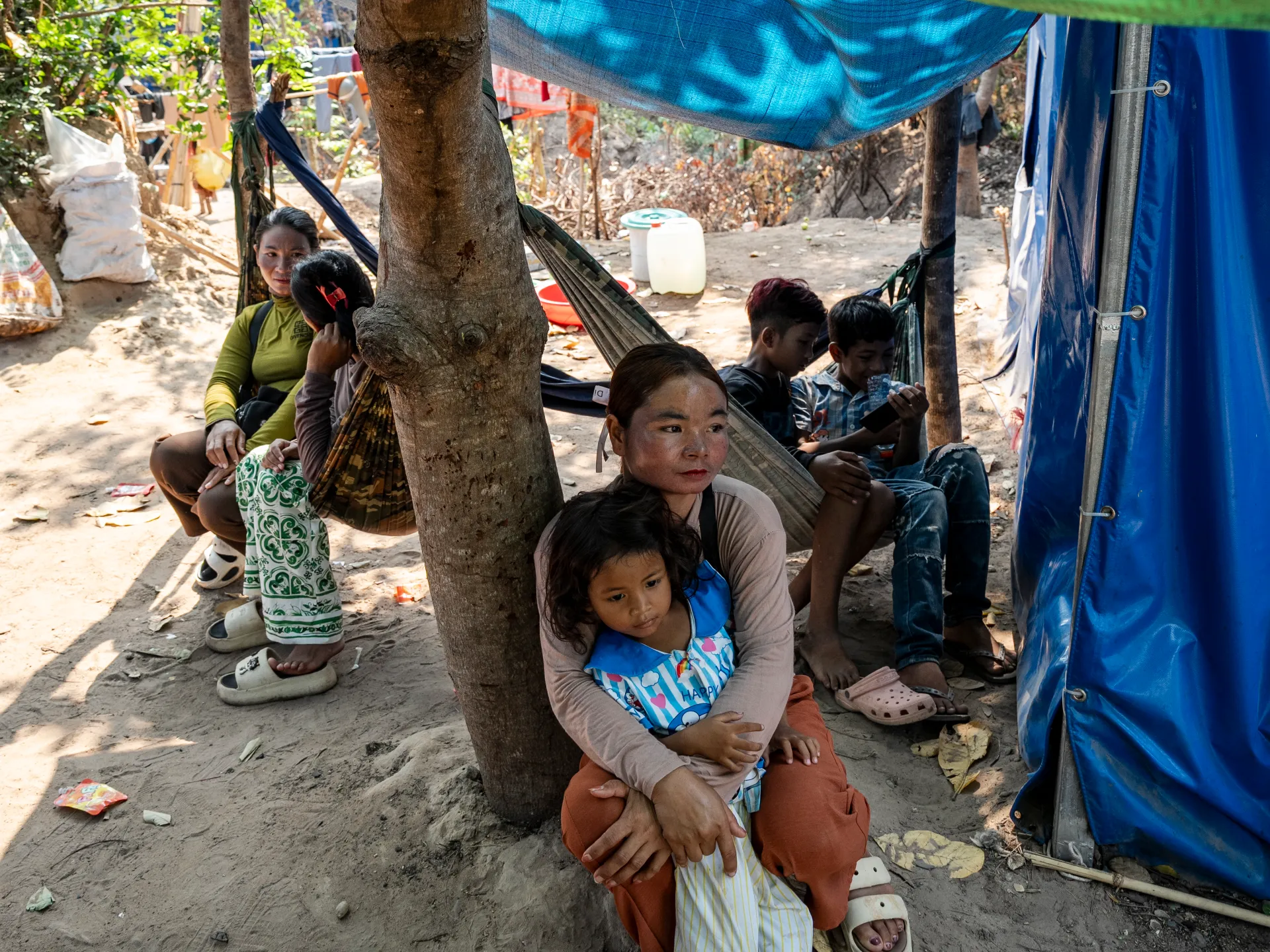
More than 34,440 people remain displaced in Cambodia following border clashes with Thailand, according to the country's Ministry of Interior. This figure includes over 11,355 children who are currently living in temporary camps or government-provided housing. Although a ceasefire was agreed upon on 27 December, tensions persist between the capitals of Phnom Penh and Bangkok, with military forces maintaining a high state of alert in border zones.
The humanitarian situation has created significant barriers to education for displaced families. While primary school students can attend classes locally at camps such as Wat Bak Kam in Preah Vihear province, high school students must travel daily to provincial capitals, a journey of approximately 15km. This logistical challenge has been exacerbated by rising petrol costs, which the WorldVision education programme attributes to regional instability linked to the US-Israel war on Iran. Consequently, school dropout rates have increased substantially among teenagers who rely on motorcycles to commute.
Beyond the economic strain of transportation, the psychological toll of the conflict is deeply affecting students. Parents report that children are distracted by rumours of renewed fighting and suffer from anxiety regarding fathers stationed at the front line. One mother described how her children would wait for a call from the front before eating, prioritising the safety of their fathers over their studies. This psychological distress, combined with the uncertainty of their living conditions, has created a perfect storm of problems for the next generation.
Localised resistance and militarisation further complicate the return to normal life in front-line areas. Villages such as Chouk Chey and Prey Chan in Banteay Meanchey province have become rallying points for nationalists opposing what they describe as Thai occupation. The Cambodian military has barred farmers, including a 67-year-old named Sun Reth, from returning to their homes in these zones. Authorities have established military bases adjacent to civilian homes and prevented residents from accessing their land or crops, effectively turning these areas into restricted zones.
The current dispute erupted into two rounds of conflict last year, involving artillery, rockets, and air strikes conducted by Thailand. Cambodia has noted that Thailand possesses a modern air force, a military capability not held by its smaller neighbour. Despite the official ceasefire, the situation remains tense five months on, with the border marked by shipping containers and barbed wire that Thai forces have used to block access to villages once inhabited by Cambodians.
Historical context shapes the current public sentiment, with elderly residents recalling a history of conflict in Cambodia since the 1960s, including the US bombing campaign and the Khmer Rouge regime. This backdrop of trauma influences how the population perceives the ongoing border dispute. While government billboards display the unofficial motto "Thanks for peace," residents in militarised danger zones report hearing gunfire and walking with fear, highlighting the gap between official statements and the lived reality of civilians.