Cairo monorail opens amid affordability debate as ridership lags
The 56.6km driverless line linking Nasr City to the New Administrative Capital aims to alleviate congestion, yet initial passenger numbers remain low as commuters question the system’s accessibility against average wages.
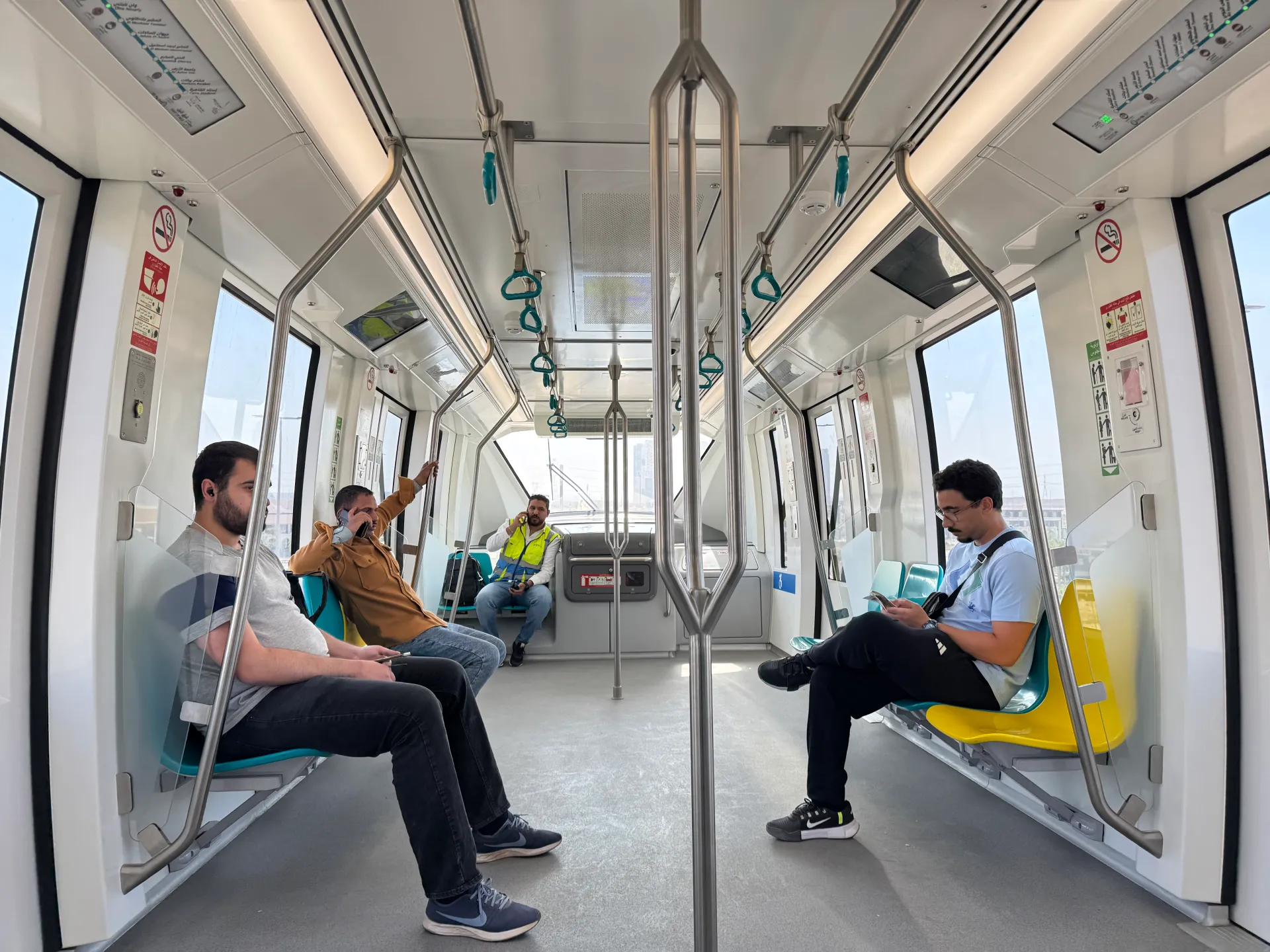
Cairo’s East Nile monorail officially opened to passengers on May 6, 2026, marking a significant milestone in Egypt’s infrastructure ambitions. The 56.6km driverless electric line connects Nasr City to the New Administrative Capital, where many government ministries have relocated. While the project is touted as a solution to the capital’s chronic traffic congestion, early operations have revealed a sharp divide between the system’s technical achievements and its affordability for the broader population.
Transportation Minister Kamel Al Wazeer stated that the elevated monorail was selected over an underground metro because it is cheaper to construct, requires no building demolitions, and causes minimal disruption to street-level traffic. The project, which cost approximately $2.8 billion, involved partnerships with Alstom, Arab Contractors, and Orascom, with Siemens donating the trains. Officials project that the line will create around 20,000 jobs and eventually carry 600,000 passengers daily at full capacity.
Despite the high-profile launch, initial ridership has been described as underwhelming. On opening days, carriages during peak hours contained only a handful of passengers. Sixteen of the 22 stations opened during this initial trial phase, with the remaining Nasr City stations expected to open within two months. The West Nile monorail, connecting Giza to 6th of October City, is scheduled to open in September 2026.
Fares are tiered, ranging from 20 Egyptian pounds for up to five stations to 80 pounds for the full 22-station line. A 50 percent subscription discount is available for regular commuters. However, transport experts note that these costs exceed recommended thresholds relative to average wages. The United Nations recommends that household transport costs should not exceed 15 percent of total income. With Egypt’s minimum wage at 8,000 pounds monthly, a commuter using the full line with a subscription would spend approximately 22 percent of that minimum wage on transport alone.
Passenger experiences have been mixed. Sales manager Mohammed Adel reported satisfaction with the cleanliness and air conditioning, noting he saved approximately 200 pounds compared to other transport options on his route. Conversely, teacher Hind Tarek described the ride as “close to the feeling of flying” but cited the cost as a significant drawback. The tension between the monorail as an urban achievement and its accessibility remains a central point of debate among commuters and analysts.
Osama Aqeel, an international transport expert, argued that mass transit must be accessible to all segments of the population. He suggested that the Bus Rapid Transit system, launched last June, offers a lower-cost and easier-to-maintain alternative for those who cannot afford the monorail fares. Meanwhile, Mohamed El-Shawadfi, a professor of management and investment, argued that the current fare levels reflect early-stage economics and that prices may become more competitive as demand increases and the network expands.