Cabinet fracture deepens as senior minister resigns amid revolt over Starmer leadership
A First UK minister has quit office, marking the latest escalation in a political storm triggered by significant election losses and a surge in MPs demanding Prime Minister Keir Starmer's resignation.
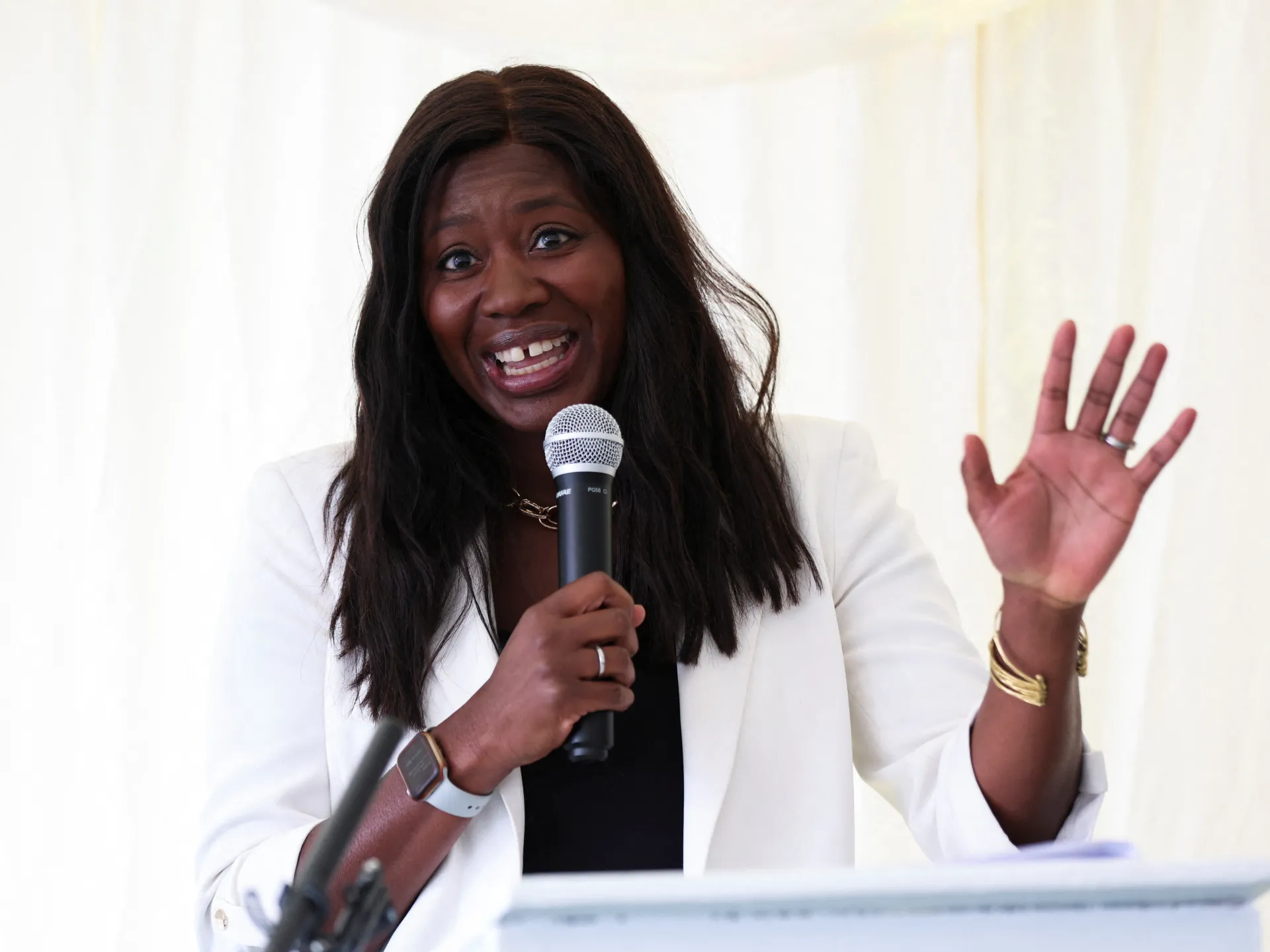
A senior figure within the British government has resigned from office, a development that signals deepening instability following substantial electoral defeats for the Labour Party. This departure occurs against a backdrop of intense internal pressure on Prime Minister Keir Starmer, who faces demands to quit his post after the party lost over 1,400 local council seats and relinquished power in Wales.
The political crisis has reached a critical juncture with more than 80 Labour MPs formally calling for the Prime Minister's resignation. This number approaches or has exceeded the 81 endorsements required to trigger a formal leadership challenge within the party structure. While Starmer has publicly vowed to resist attempts to force him out, his position is described as perilous ahead of a crucial cabinet meeting where he must face a fractured government.
The resignation of the First UK minister adds to a growing sense of uncertainty regarding the future direction of the administration. Darren Jones, the Prime Minister's chief secretary and a close ally, has declined to confirm whether he will lead the Labour Party in the next election. This refusal to commit highlights the ambiguity surrounding succession and the broader internal uncertainty gripping the party leadership.
Historical precedents suggest that while the Labour Party has faced internal revolts previously, the current situation represents a significant shift in the nature of the opposition. The pressure has moved beyond initial calls by left-wing figures to encompass a broader revolt within the parliamentary party. This surge in dissent has fundamentally altered the dynamics of the government, shifting the focus from policy implementation to questions of governance and survival.
As the Prime Minister prepares for the upcoming cabinet session, the path forward remains unclear. The combination of a senior minister quitting, a leadership challenge threshold being met, and a divided cabinet creates a volatile environment. Starmer must now navigate these immediate fractures while managing the fallout from the recent local election results that weakened the party's standing.
The events underscore a period of significant transition and risk for the UK government. With the resignation confirmed and the leadership challenge imminent, the focus now turns to how the administration will stabilise its position and whether the Prime Minister can retain control of his party amidst such severe internal dissent.