Burnham’s first Commons speech targets institutional drift and economic stagnation
The new Prime Minister has framed a decade of low growth as a result of policy errors dating back to the 1980s, outlining a three-part strategy to restore public control over essential services.
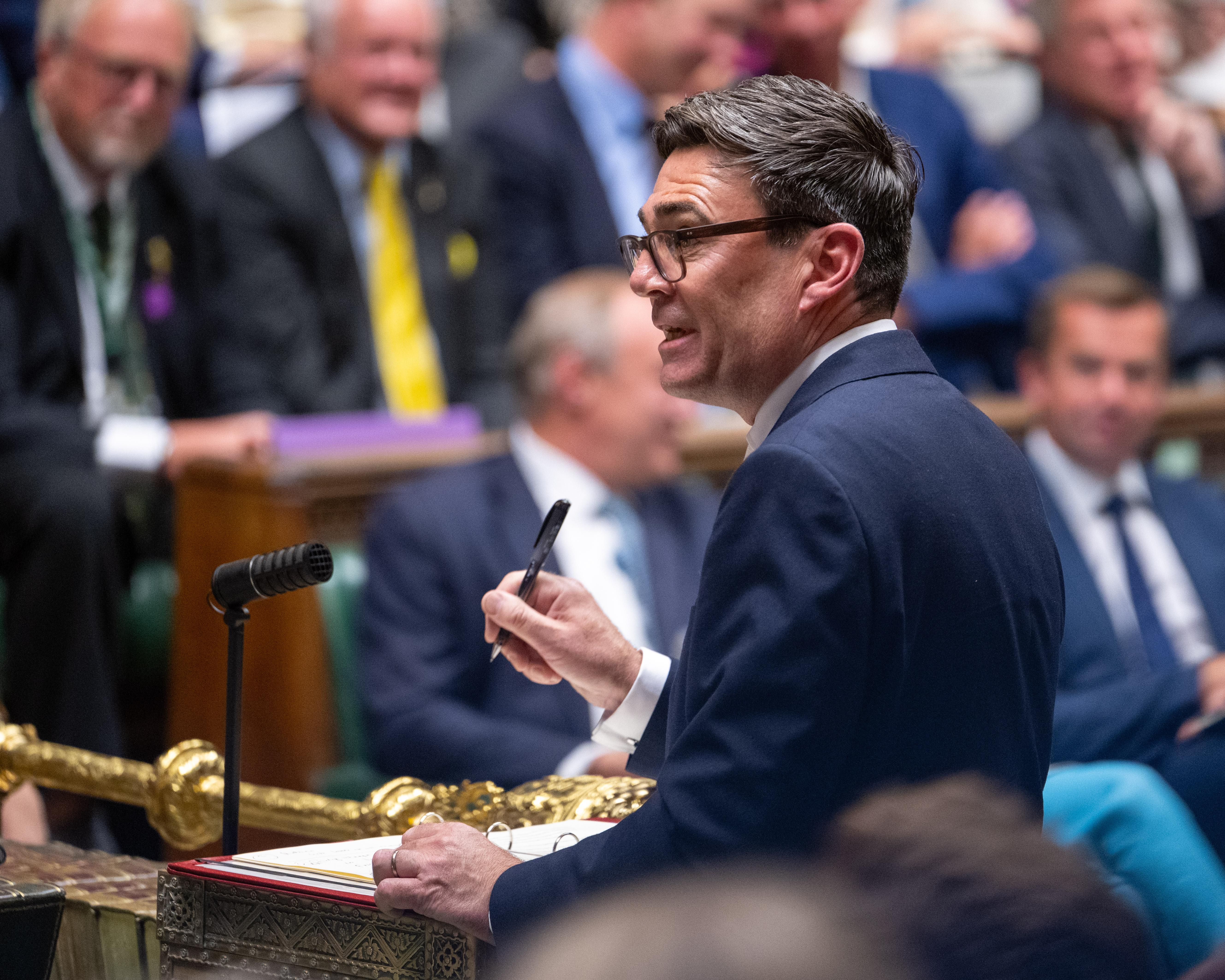
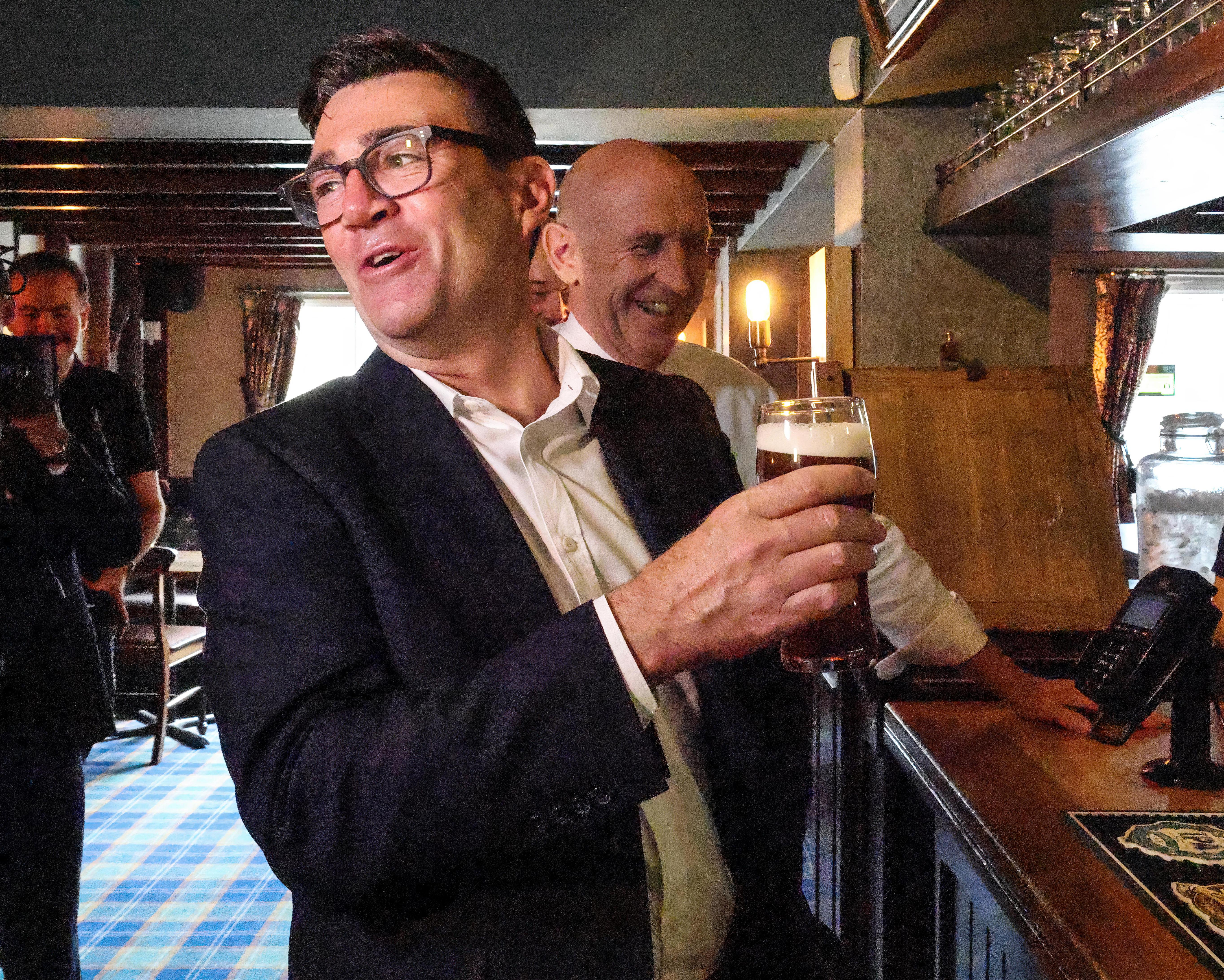
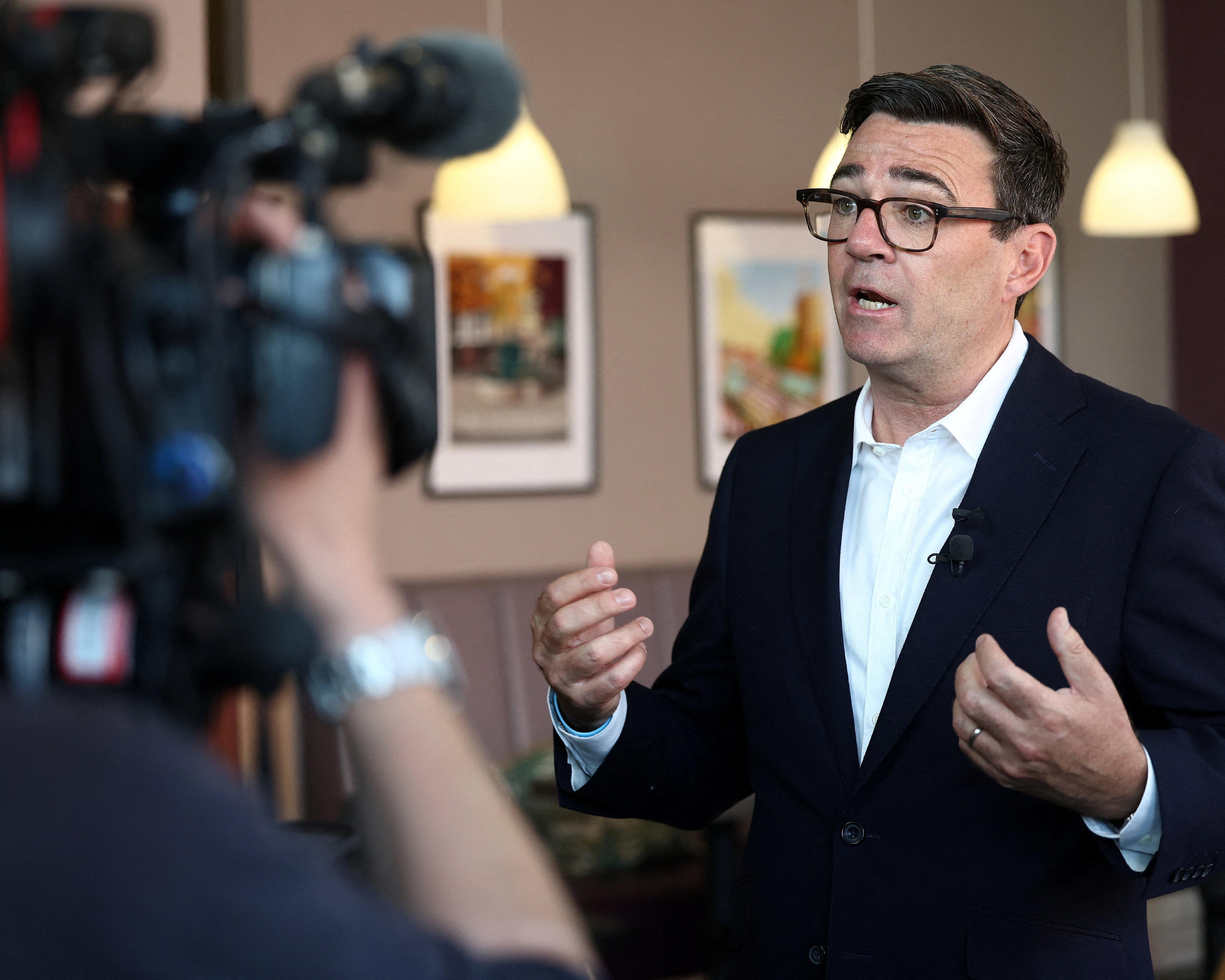
Prime Minister Andy Burnham has attributed a decade of sluggish UK growth to a series of institutional “wrong turns” taken since the 1980s, specifically citing the legacy of Margaret Thatcher’s policies and the impact of Brexit. In his first address to the House of Commons since assuming office, Burnham argued that Britain must be “brutally honest” about these historical mistakes to build the optimism necessary for substantial change. He described the current state of the nation as one where things are “not working as they should,” urging his cabinet to be relentless in pursuing his new agenda.
The Prime Minister outlined three core priorities for the government: cutting the cost of essentials, regenerating communities, and increasing public control over water, housing, and energy. Deputy Prime Minister Louise Haigh will lead task forces dedicated to each of these areas. The first taskforce will address “everyday rip-offs” such as parking charges and subscription traps, while the second will assess the viability of the state taking over failing essential services. The third will explore radical ideas to revive high streets, including legislative options on houses in multiple occupation and devolving powers to local mayors and councils.
Burnham’s speech provided a detailed critique of the economic trajectory since the 1980s, arguing that political power was centralised and economic power privatised, leading to de-industrialisation and austerity. He stated that Brexit compounded this damage, ushering in a period of stalled regeneration. Citing economists’ analysis of internal Bank of England data, he noted that the UK economy has suffered a 6% hit from the effects of Brexit. The Prime Minister suggested that the next UK-EU reset summit could take place in November, aiming to restore a sense of control for communities that he said had been drifting for 40 years.
Beyond domestic economic policy, Burnham signalled significant shifts in other areas of governance. He hinted at committing to spending 3% of GDP on defence by 2030, a move aligned with Chancellor John Healey’s position on military spending. The Prime Minister also opened the door to renationalising the water industry, describing the current sector as a “leaking monument” to the failures of privatisation. Furthermore, he indicated that electoral reform would be considered in Labour’s next manifesto, suggesting that a mandate from the next election would be required to implement changes in the following parliament.
The speech coincided with the announcement that his predecessor, Keir Starmer, would stand down as an MP for Holborn and St Pancras to focus on international affairs. This decision triggers a by-election in a seat long considered a safe Labour hold, which the Greens are expected to target. Burnham paid tribute to Starmer, stating he had created a platform for Britain to be fixed, which the new government would “use well.” The by-election is seen as a test of Burnham’s progressive credentials, contrasting with the earlier Makerfield by-election which tested his ability to counter Reform.
Reaction from the opposition was swift, with Conservative leader Kemi Badenoch accusing Burnham of “living in the past” by focusing on Thatcher, who was in power before her birth. She argued that the Prime Minister was complaining about a woman who had been out of office for decades and was attempting to take the country back to the 1970s. Despite the criticism, Burnham maintained that the combination of centralised political power and privatised economic power had taken control away from communities, and that his government would be relentless in restoring that agency.