Burnham’s Bus Fare Cap Funded by Aid Shift Sparks Criticism Over Debt and Governance
The £500 million initiative, set for 2027, faces backlash for increasing debt in the Global South and downgrading the status of the aid minister.
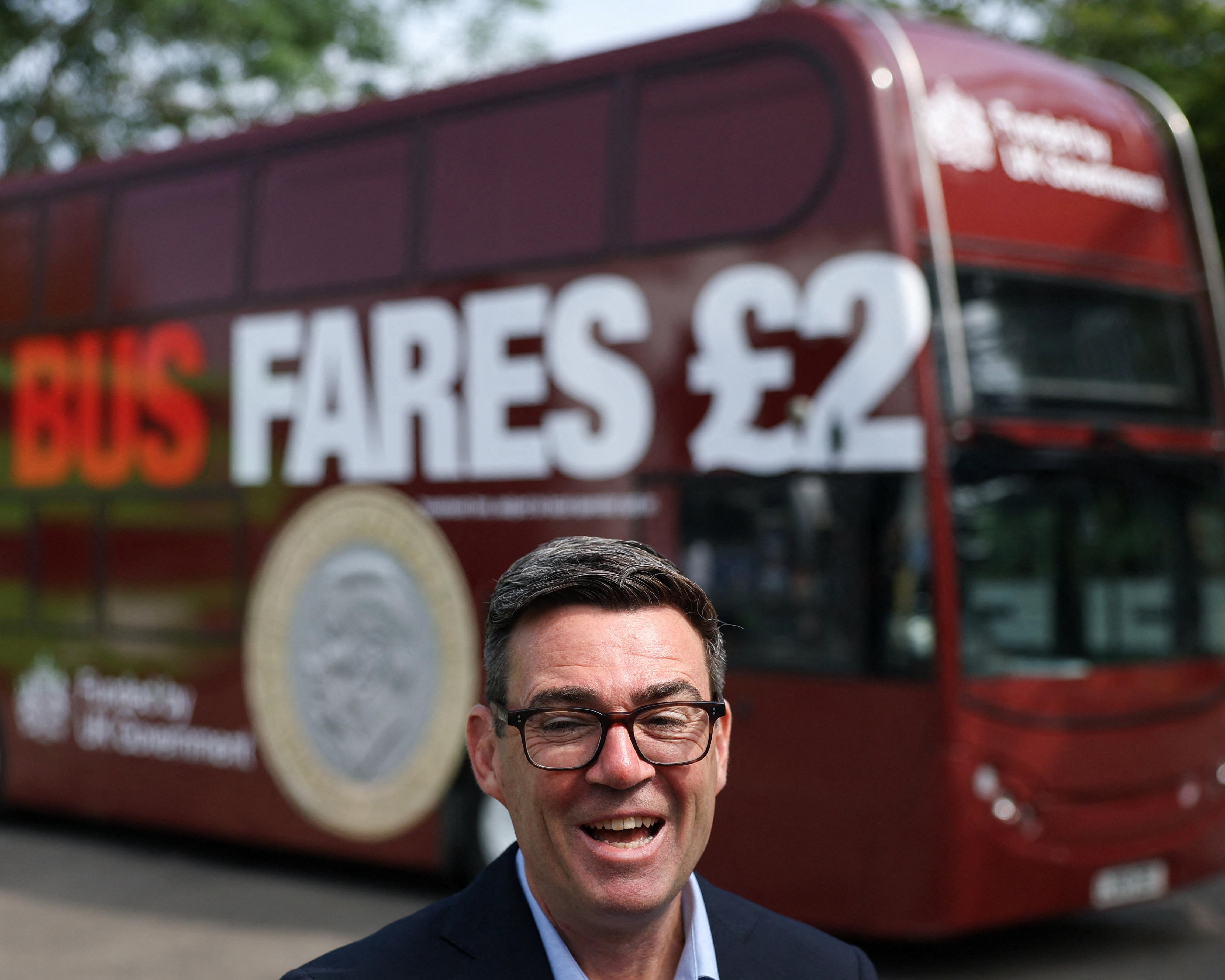
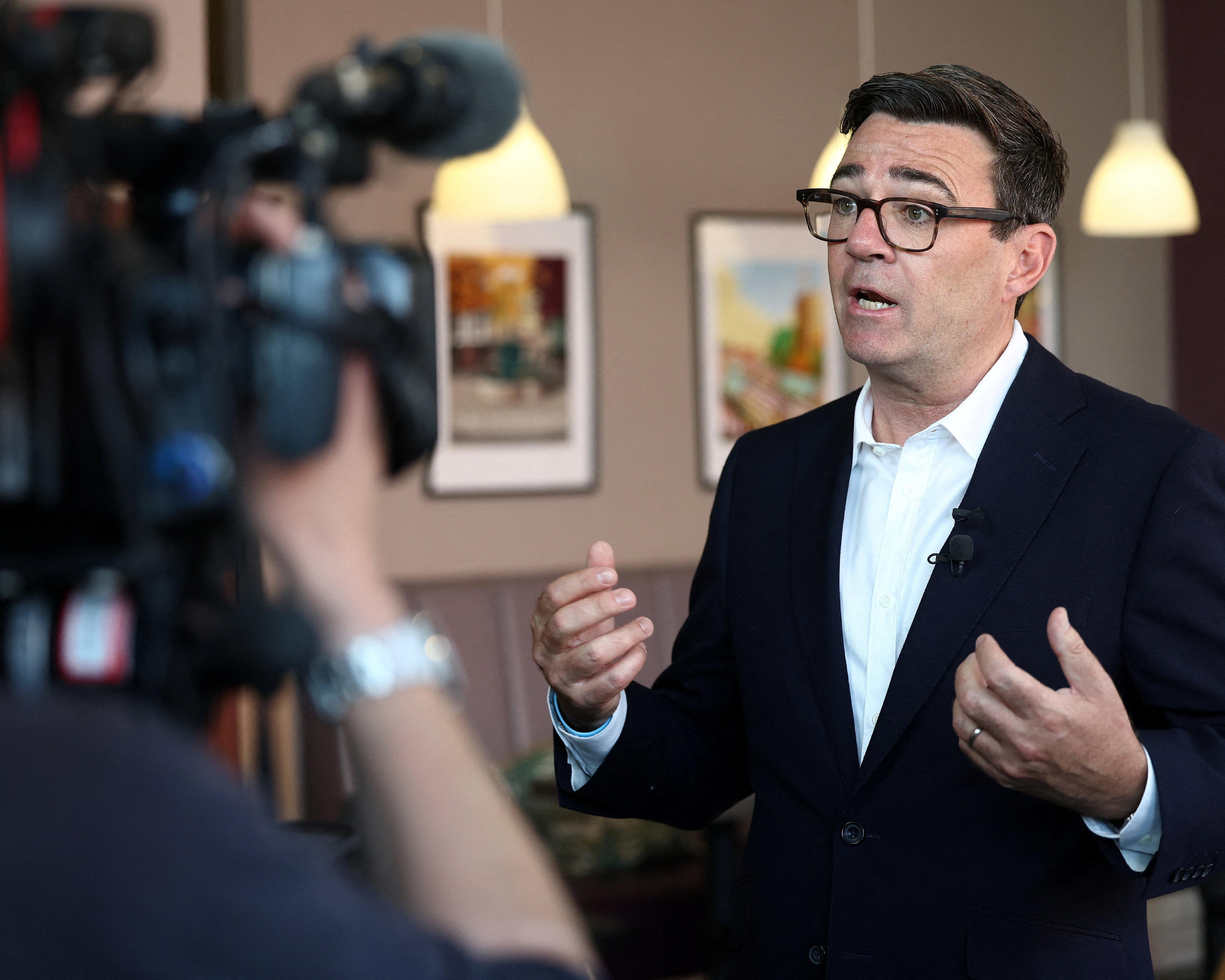
UK Prime Minister Andy Burnham has announced a bus fare cap reducing the cost from £3 to £2 per journey, with the initiative estimated to cost over £500 million next year. The government plans to fund £400 million of this measure by converting international climate grants into repayable loans. This policy shift has drawn sharp criticism from charities, opposition politicians, and development experts, who argue it undermines the UK’s commitment to international development, increases debt for the world’s poorest nations, and downgrades the status of the aid minister by excluding her from cabinet meetings.
ActionAid UK co-director Joanne O’Neill stated the proposal "throws global south countries under the bus," arguing that replacing grants with loans pushes vulnerable nations deeper into debt and diverts funding from essential public services like education and health. She noted that this shift disproportionately impacts women and girls, who often bear the brunt of reduced social protection services in developing economies.
Liberal Democrat international development spokesperson Monica Harding warned the move would undermine the UK’s standing as a reliable global partner and harm Britain’s long-term security by fuelling migration and instability. Harding argued that swapping crucial climate grants for loans would rack developing nations with more destabilising debt, ultimately falling on the backs of the world’s poorest.
Bond chief executive Romilly Greenhill criticised the government for "robbing Peter to pay Paul," pitting marginalised communities in the UK against those in climate-vulnerable countries. Meanwhile, Friends of the Earth climate campaigner Danny Gross described the switch from grants to loans as a "travesty," noting the UK is already below its fair share of international climate finance.
Former Conservative development secretary Andrew Mitchell and Labour MP Sam Rushworth criticised the exclusion of the aid minister from cabinet, arguing it reduces her influence in Whitehall and downgrades the prominence of international development. Mitchell, who served as a full cabinet member, stated that inclusion would give the new aid minister, Kirsty McNeill, more clout in domestic and overseas policy battles.
Downing Street confirmed the switch allows money to go to international financing schemes such as the Tropical Forests Forever Facility, an anti-deforestation initiative linked to Brazilian President Luiz Inácio Lula da Silva. Officials indicated that changing donations to loans means funding is likely to target countries that can repay them, such as middle-income nations like India or Brazil, rather than the world’s poorest.
A government spokesperson maintained the UK remains committed to spending 0.3% of gross national income on official development assistance, stating the loan switch offers more flexible ways to tackle the climate crisis. The spokesperson added that international climate finance supports a range of projects, including protecting forests and developing clean power, while making the best use of taxpayers’ money.