Burnham unveils £100m business rates relief for English hospitality sector
Industry leaders welcome the 20% cut but warn that recent revaluations have left many pubs and clubs paying significantly more than pre-inflation levels.
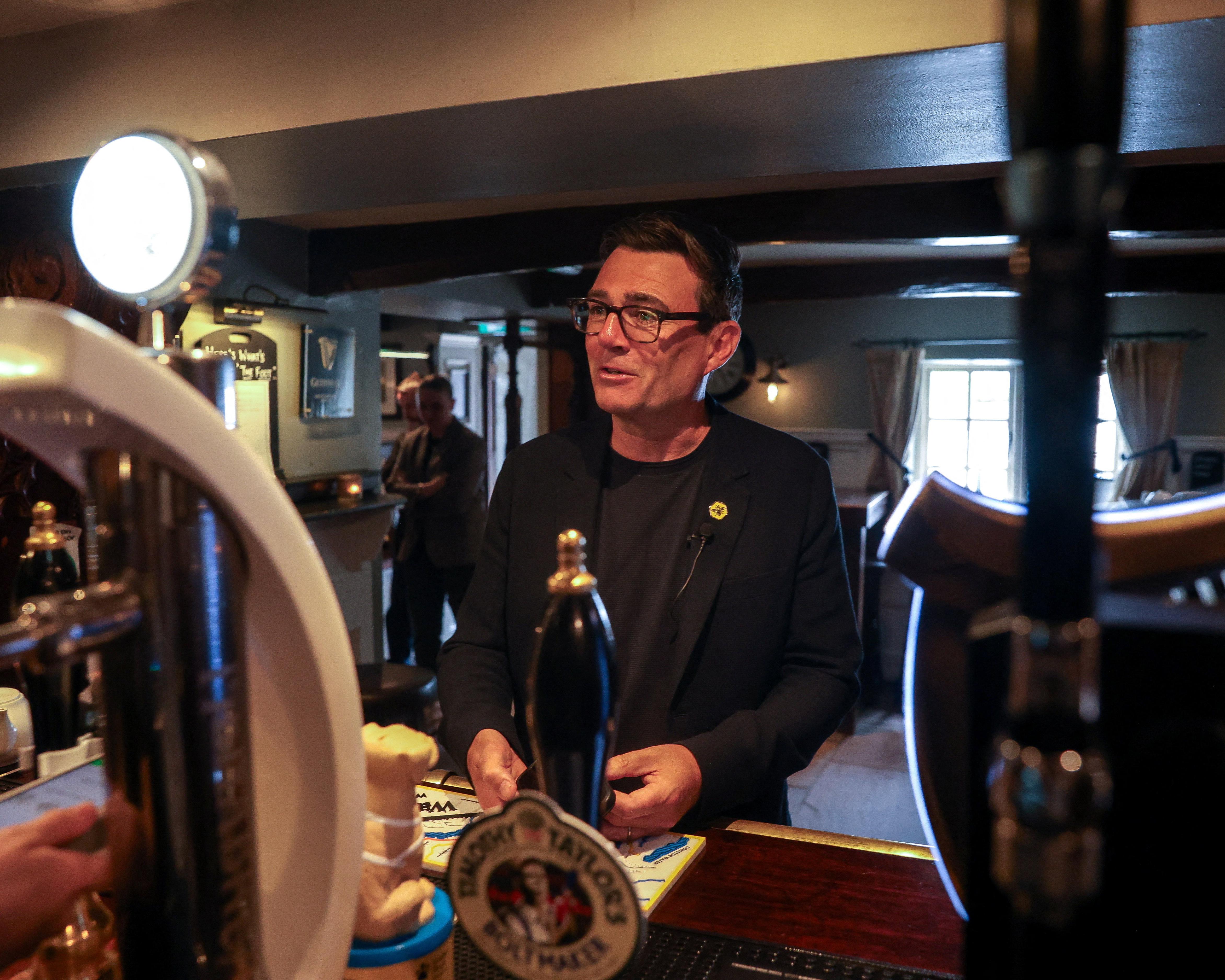
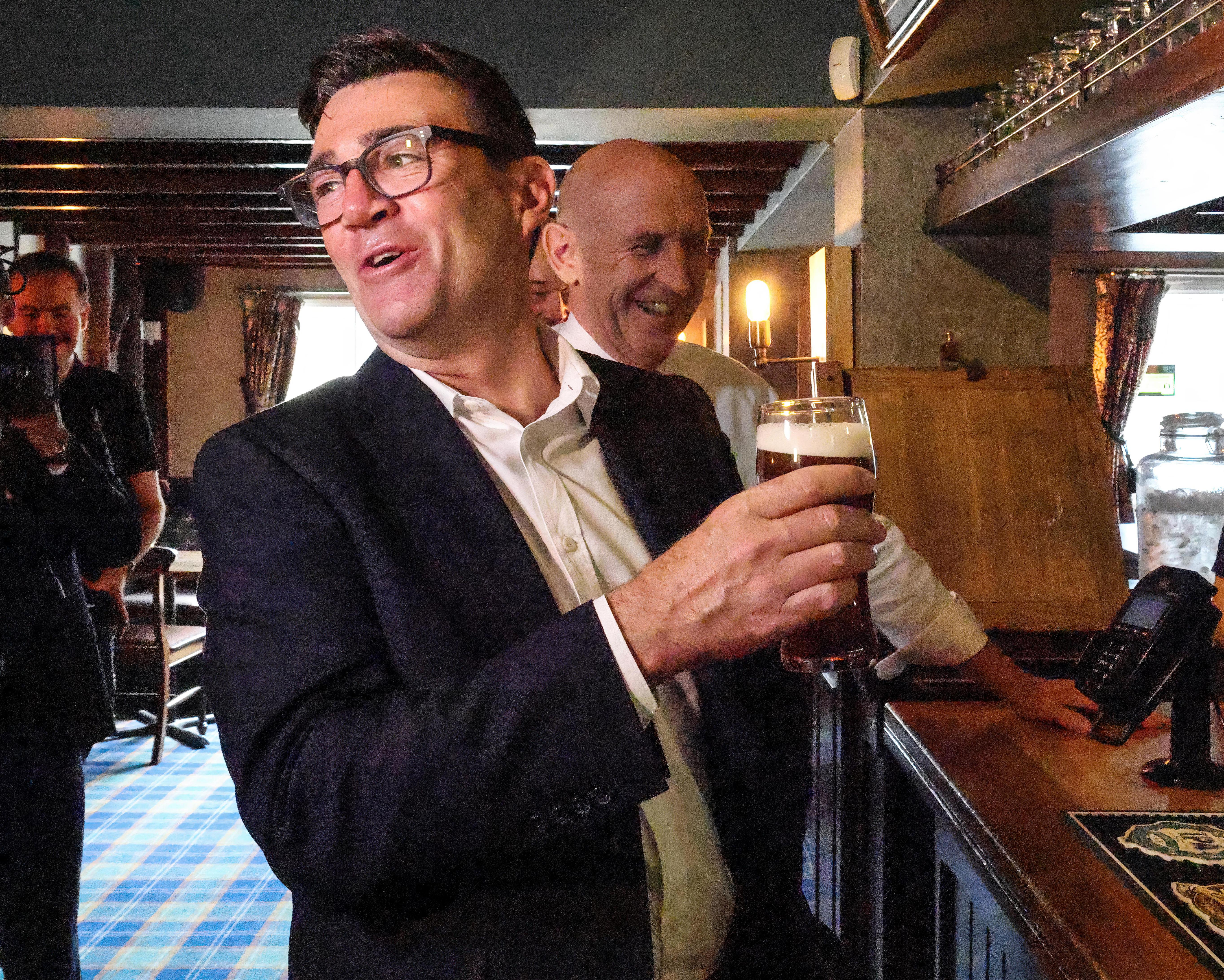
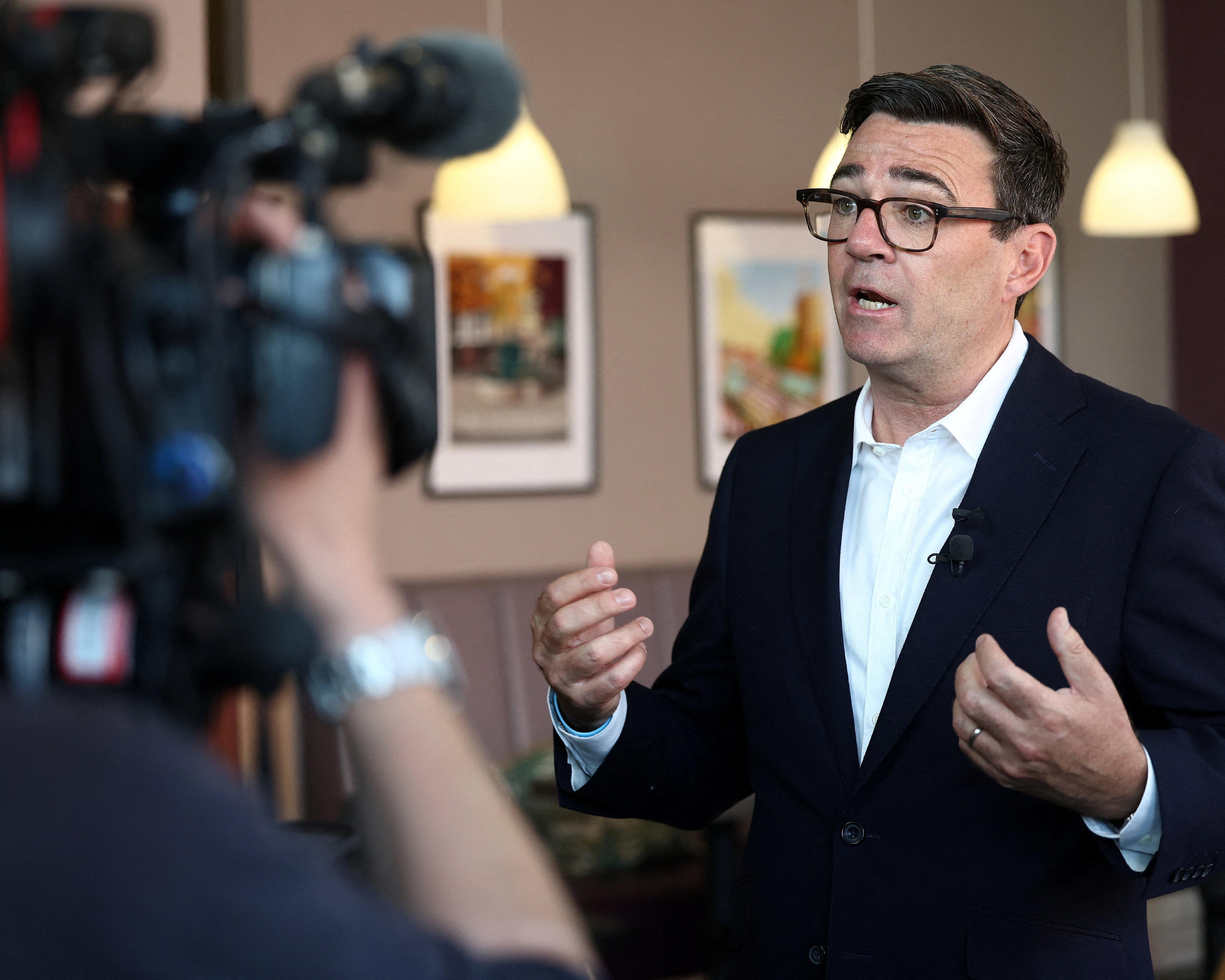
The prime minister has announced a £100 million government package designed to deliver a 20 per cent reduction in business rates for pubs, clubs, and live music venues across England. The intervention, which takes effect from April next year, is projected to save the typical pub approximately £1,100 in the upcoming financial year. Downing Street confirmed the measure targets roughly 32,000 hospitality businesses, marking a significant policy shift aimed at mitigating the financial pressures facing the sector.
However, the scope of the relief is not universal. The government’s announcement explicitly excludes the largest live music venues from the cut, narrowing the focus to smaller and medium-sized establishments. This distinction has drawn attention from industry stakeholders who are assessing how the new rates will interact with recent fiscal adjustments. The exact number of venues that will ultimately qualify for the relief remains unclear, with uncertainty surrounding the specific eligibility criteria applied to the broader hospitality landscape.
Reaction from the industry has been cautious. Iain Hoskins, owner of the Ma Pub Group in Liverpool, welcomed the relief but highlighted the disparity between the new cut and previous cost increases. Hoskins noted that while the 20 per cent reduction is meaningful, it primarily serves to offset sharp rises in operational costs rather than restoring pre-inflation financial stability. He described the measure as a way to chip away at rising expenses but emphasised that businesses are still required to find additional funds to cover their rates.
Hoskins pointed to recent revaluations that had increased business rates for his venues by between 100 per cent and 150 per cent in a single year. He argued that the current relief, particularly when combined with other existing support measures, helps mitigate these steep hikes but does not fully reverse them. The owner expressed doubt regarding how many venues would be covered by the change, suggesting that the net financial position for many independent businesses remains precarious despite the government’s intervention.
The announcement follows a period of significant rate revaluations that substantially increased costs for the sector. While the government projects an average saving of £1,100 for a typical pub, individual outcomes will vary based on specific rateable values. The policy represents an attempt to stabilise the hospitality industry, yet industry feedback suggests that the underlying structural cost pressures persist, leaving many operators to navigate a complex financial environment as they adjust to the new rate structure.