Burnham Unveils Left-Wing Utility and Housing Agenda as Incoming Prime Minister
Incoming UK Prime Minister Andy Burnham has outlined a policy framework described as distinctly left-wing yet pro-business, signalling significant structural shifts in utilities, housing, and government departments.
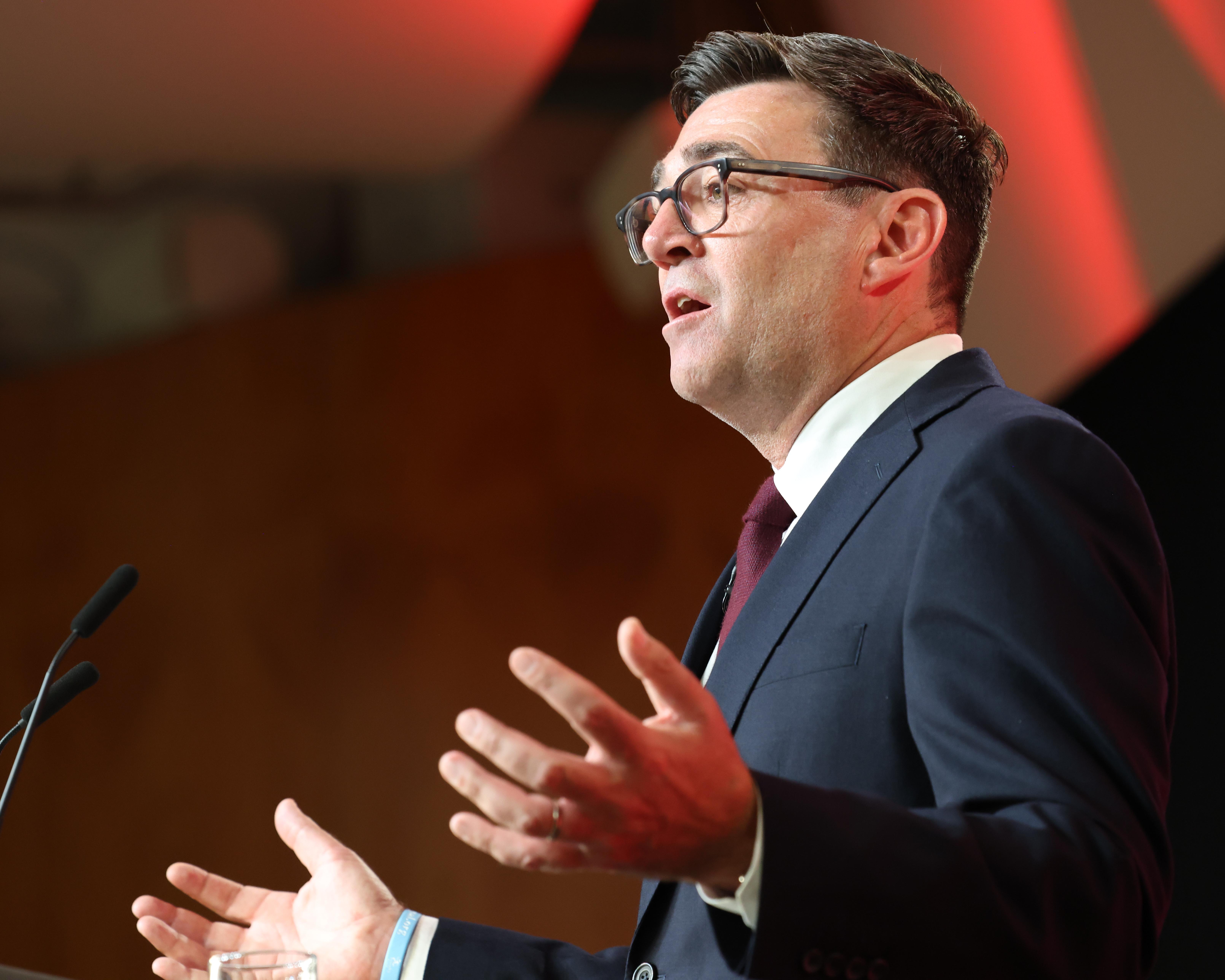
Incoming Prime Minister Andy Burnham has detailed a policy agenda that seeks to balance left-wing structural reforms with pro-business pragmatism. As he prepares to assume office on Monday, Burnham has moved to address criticisms regarding a lack of detail in his platform, unveiling plans that include public control of key utilities, radical energy bill reductions, and the largest council house building programme since the postwar period.
Central to the utility strategy is the placement of Thames Water into a special form of administration until a buyer is found, a move aimed at securing public control for the company serving 16 million customers. The administration approach mirrors the public control of the Greater Manchester bus network during Burnham’s tenure as mayor. Alongside utilities, the government plans to cut household energy bills by £130 annually through changes to gas charging methods and the removal of policy levies. The proposals, which will cost taxpayers £3.2bn per year, also aim to make heat pumps cheaper to run than gas boilers.
On housing, Burnham has committed to reversing the loss of 1.5 million council homes since the 1980s, linking this decline to current social housing waiting lists. He has described the high costs of taxpayer support for private landlords as having a ruinous impact on government finances, positioning the new building programme as a fiscal and social priority.
The incoming administration is also set to reshape Whitehall, with plans to abolish the Department for Science, Innovation and Technology (DSIT). Science and technology policy will be transferred to a strengthened business department led by chief whip Jonathan Reynolds, while a new minister for artificial intelligence will be created. Additionally, Burnham is expected to scrap digital ID card plans previously introduced by Keir Starmer, redirecting resources toward the cost of living crisis.
Immigration and energy policy remain areas of speculation and potential controversy. Burnham has supported tighter immigration controls, voting for asylum legislation that has divided Labour MPs, and has indicated that net migration must fall further. Regarding energy, while Labour’s 2024 manifesto pledged against new exploration licences, reports suggest Burnham may approve new North Sea drilling via tieback arrangements, connecting new fields to existing infrastructure.
Social care reform is also a key pillar, with Burnham advocating for a progressive care levy to replace inheritance tax. This approach echoes proposals he first outlined in 2009 when serving as health secretary, aiming to fund a national care service by leveraging estate taxes.