Burnham Unveils Cabinet and Economic Strategy Following Starmer’s Removal
Andy Burnham has succeeded Keir Starmer as the UK’s sixth prime minister in a decade, outlining a prudent economic approach, a fully funded cost-of-living package, and increased military spending targets.
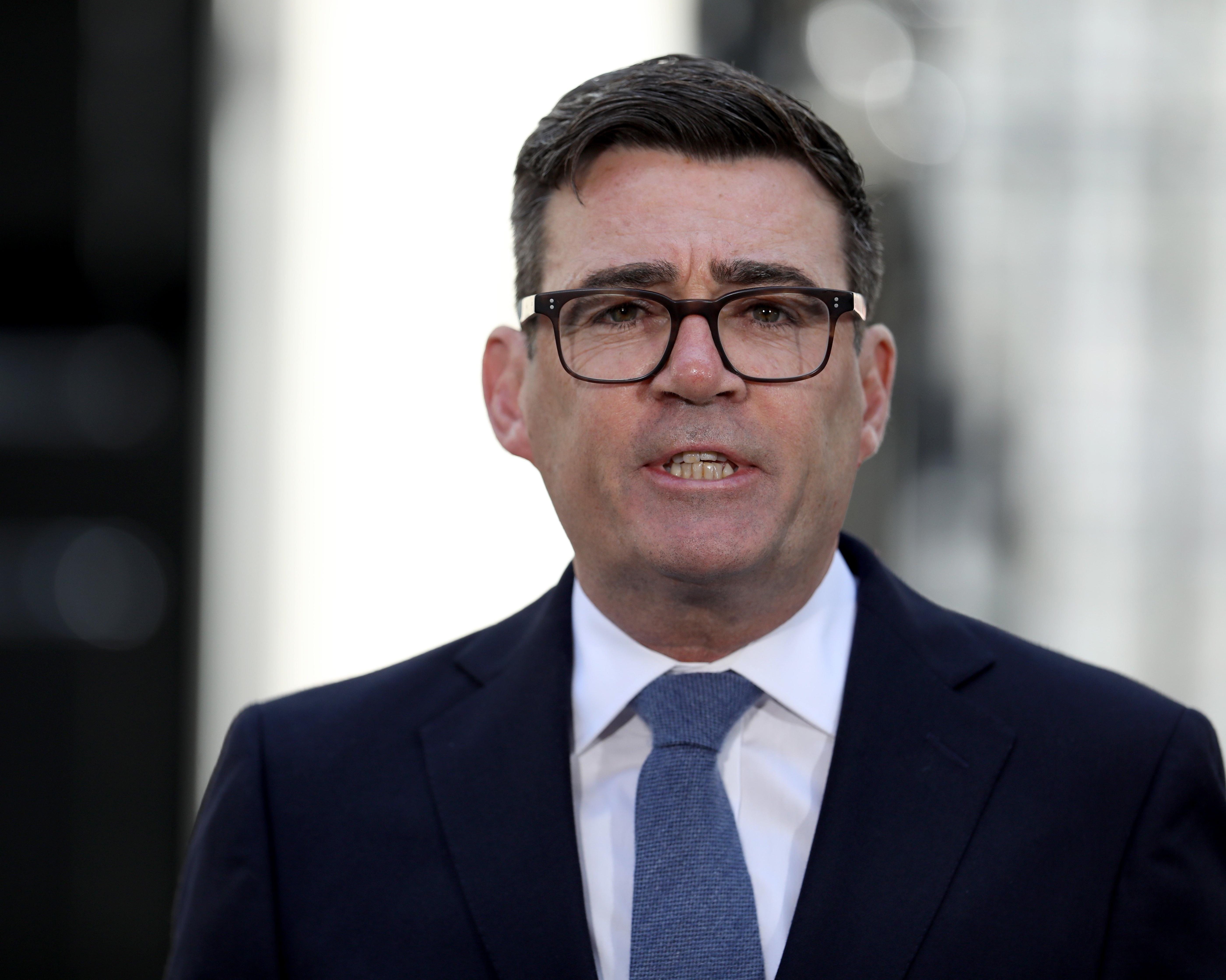
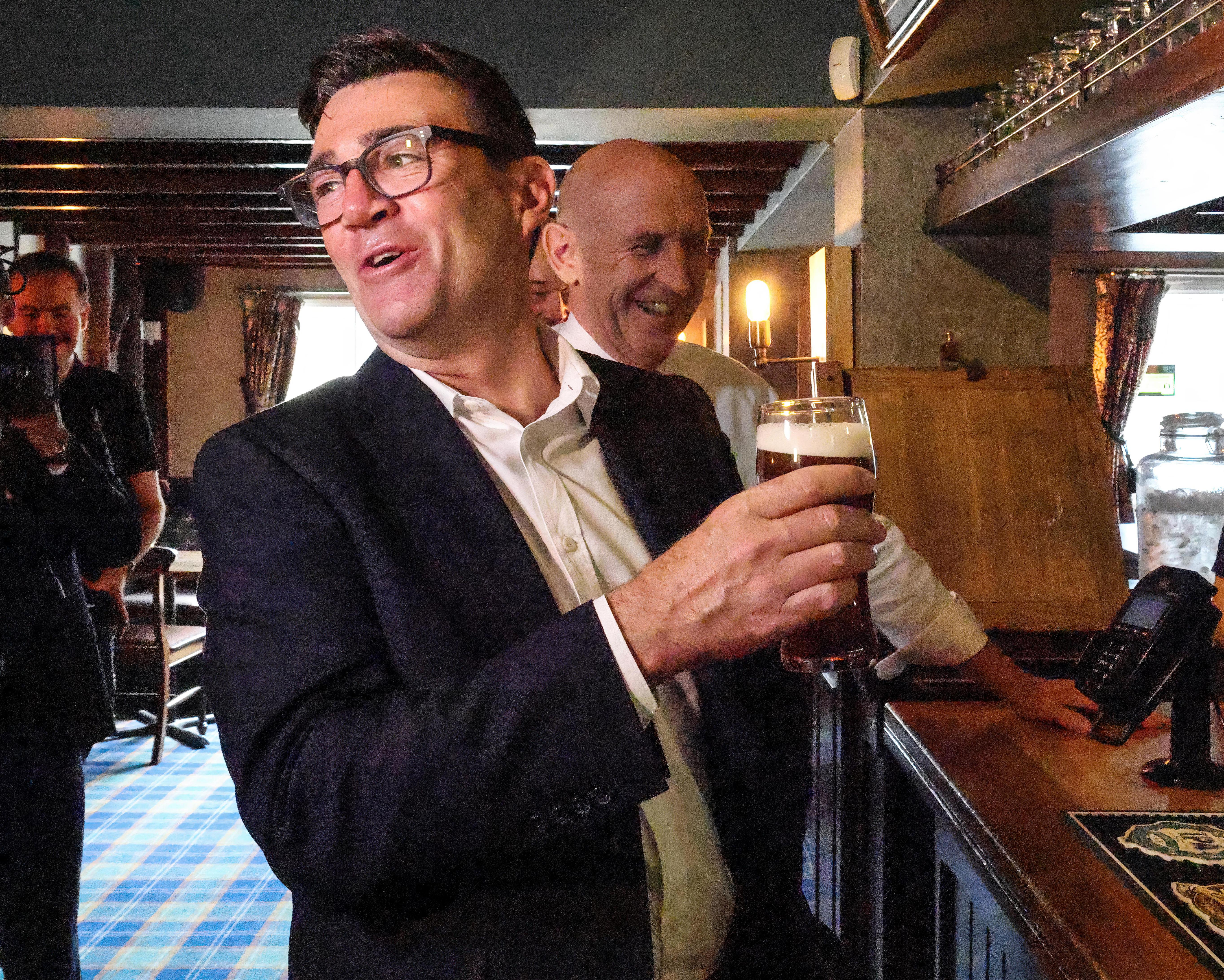
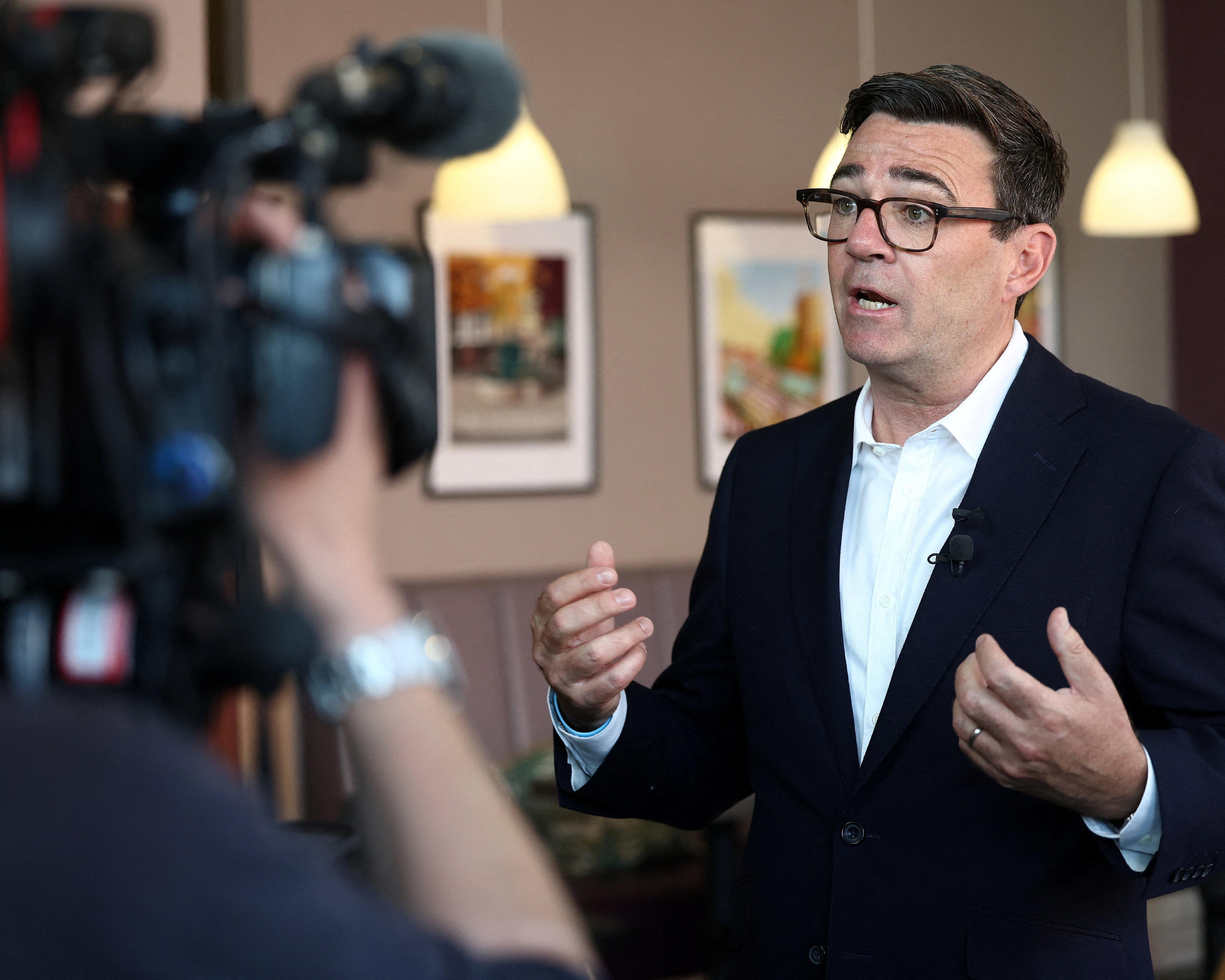
Andy Burnham has assumed the role of UK Prime Minister, succeeding Keir Starmer after Labour MPs removed him from office. In his inaugural address outside 10 Downing Street, Burnham acknowledged widespread public frustration with politics, vowing to “bring back hope” and repair damage attributed to the Thatcher era. He described his premiership as a moment for reflection and new resolution, aiming to restore stability after a decade of high turnover in the leadership.
The new Prime Minister unveiled his cabinet, appointing John Healey as Chancellor of the Exchequer. Healey, a former defence secretary and Treasury minister, was selected as a compromise candidate after Ed Miliband and Shabana Mahmood were tipped for the role. Miliband has been appointed Foreign Secretary, while Mahmood remains at the Home Office. Louise Haigh was named First Secretary of State and Chancellor of the Duchy of Lancaster, tasked with running a beefed-up Cabinet Office.
Burnham outlined a “prudent” economic approach, promising a fully funded cost-of-living package that includes cuts to energy bills and bus fares. He indicated that further measures, such as freezing private sector rents, could follow. The Prime Minister also announced plans to increase military spending to 3% of GDP by 2030, a target that will fall under Healey’s purview. Additionally, Burnham issued an immediate instruction to end rough sleeping, marking his first directive in power.
Financial markets reacted to Burnham’s comments regarding fiscal flexibility, with UK 10-year gilt prices dropping initially as investors weighed the risks of higher borrowing. However, prices stabilised following the announcement of Healey’s appointment, which was viewed as a stabilising factor. Burnham stated he would look for flexibility within existing fiscal rules to borrow for infrastructure investment but insisted he would not take risks with the economy.
In his first international engagements, Burnham held calls with US President Donald Trump, Ukrainian President Volodymyr Zelenskyy, and EU Commission President Ursula von der Leyen. He invited Trump to the G20 summit in Manchester next year. The transition follows the departure of Starmer, who left Downing Street with handwritten notes for staff and a warning about global security threats, marking the end of a turbulent period for the Labour leadership.