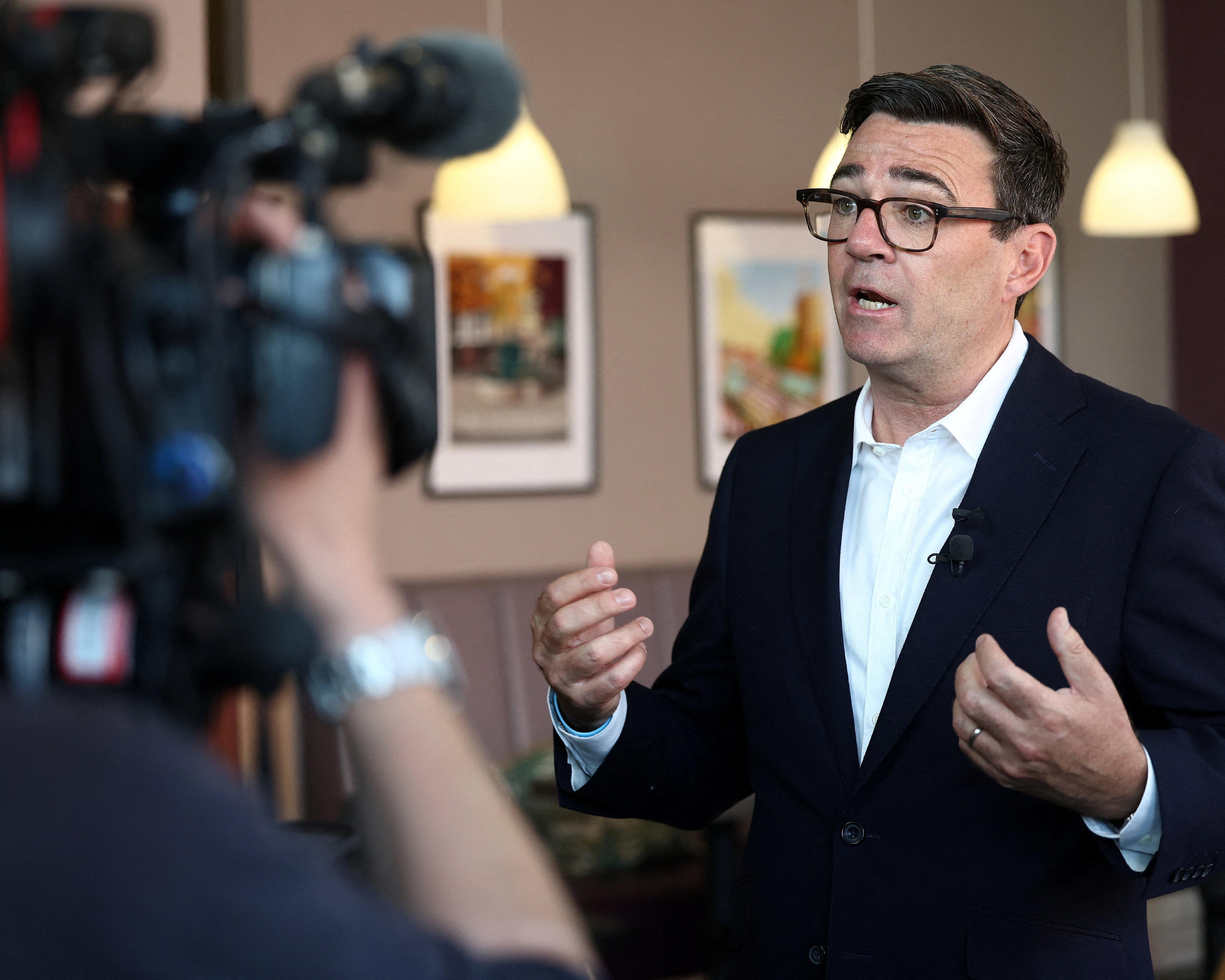
Burnham to assume UK premiership with pledge of stability and North Sea drilling expansion
Incoming administration prepares to lower energy and bus fares while allowing increased fossil fuel extraction, drawing mixed international reaction and domestic criticism
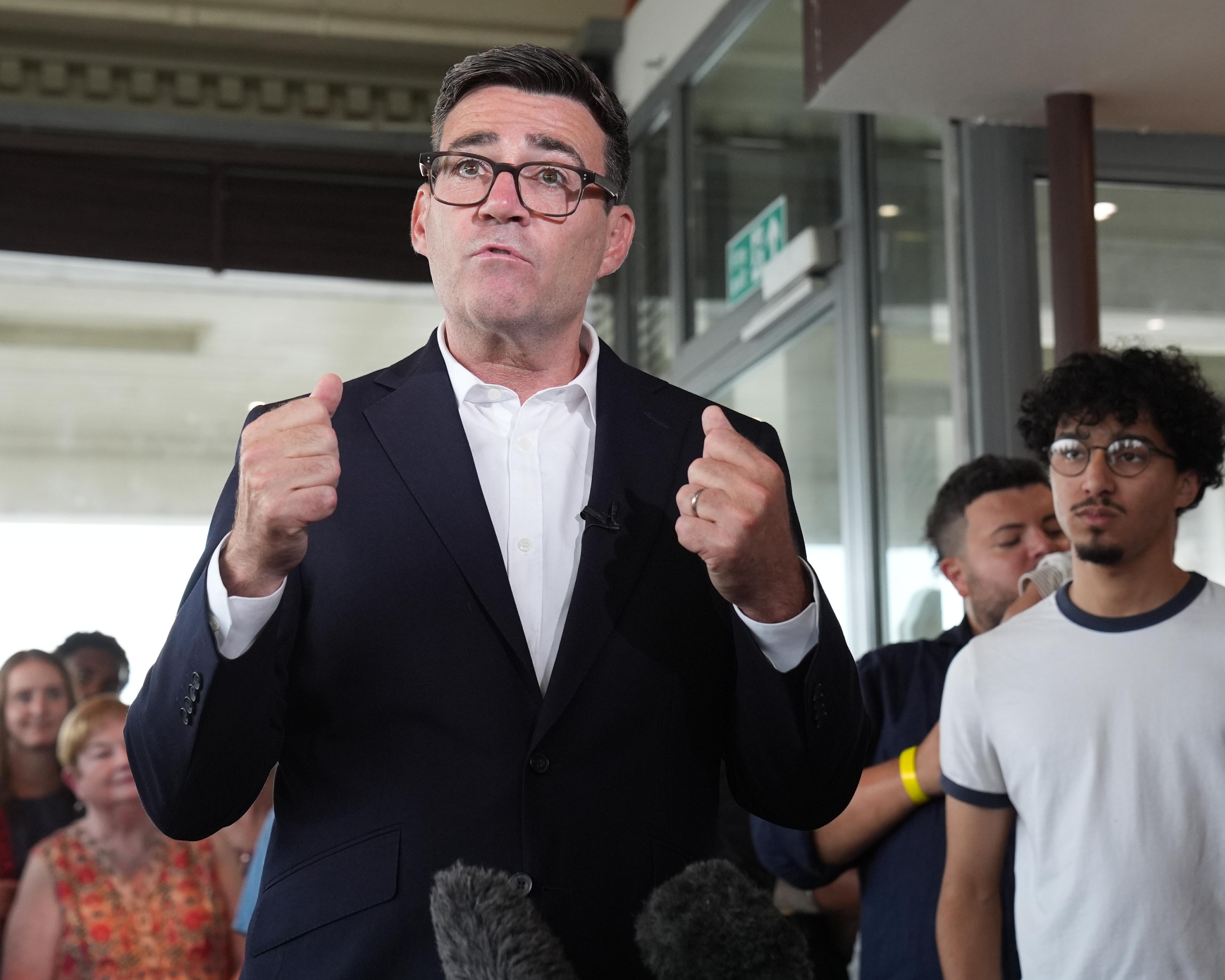
Andy Burnham is set to become the United Kingdom’s sixth prime minister in a decade, formally accepting the role from the King at Buckingham Palace on Monday. Following the constitutional ceremony, Burnham will begin cabinet appointments in the afternoon and deliver his first address from Downing Street, where he intends to emphasise political stability and transparency regarding the nation’s structural challenges.
The incoming Labour government has outlined a 10-year plan centred on early investment and public spending reform, aiming to shift focus from paying for failure to setting citizens up for success. Burnham has stated that Britain must be honest about the difficulties it faces, including decline in large parts of the country, while maintaining manifesto commitments not to raise VAT, national insurance, or income tax, and to scrap the digital ID card programme.
Key policy shifts include measures to reduce the cost of living, such as lowering energy bills and potentially targeting bus fares. The government is also preparing to allow increased oil and gas drilling in existing North Sea areas. Deputy Leader Lucy Powell described this as a change of emphasis rather than a fundamental policy shift, citing the need to address the failures of private management in utilities and essentials.
Cabinet expectations point to Shabana Mahmood as chancellor, Ed Miliband as foreign secretary, and Angela Rayner as health secretary, though sources suggest Rayner may require persuasion given her focus on devolution and regional inequality. Jonathan Reynolds is regarded as certain to become business secretary, while Lou Haigh is expected to lead the Cabinet Office. Miliband’s appointment as foreign secretary may see a push to restore foreign aid to 0.7 per cent of national income, a move criticised by Reform UK leader Nigel Farage.
The announcement has drawn varied reactions. US President Donald Trump congratulated Burnham on opening up North Sea oil, while Conservative leader Kemi Badenoch dismissed the plans as airy-fairy and questioned Burnham’s readiness. As Burnham prepares to take office, outgoing Prime Minister Keir Starmer released a statement expressing pride in leaving the country in a better state than he found it.