Burnham targets Labour leadership through Makerfield byelection victory
Andy Burnham positions himself as the primary counter to Reform UK, advocating for a decentralised political system and challenging Keir Starmer’s leadership if he secures a parliamentary seat.
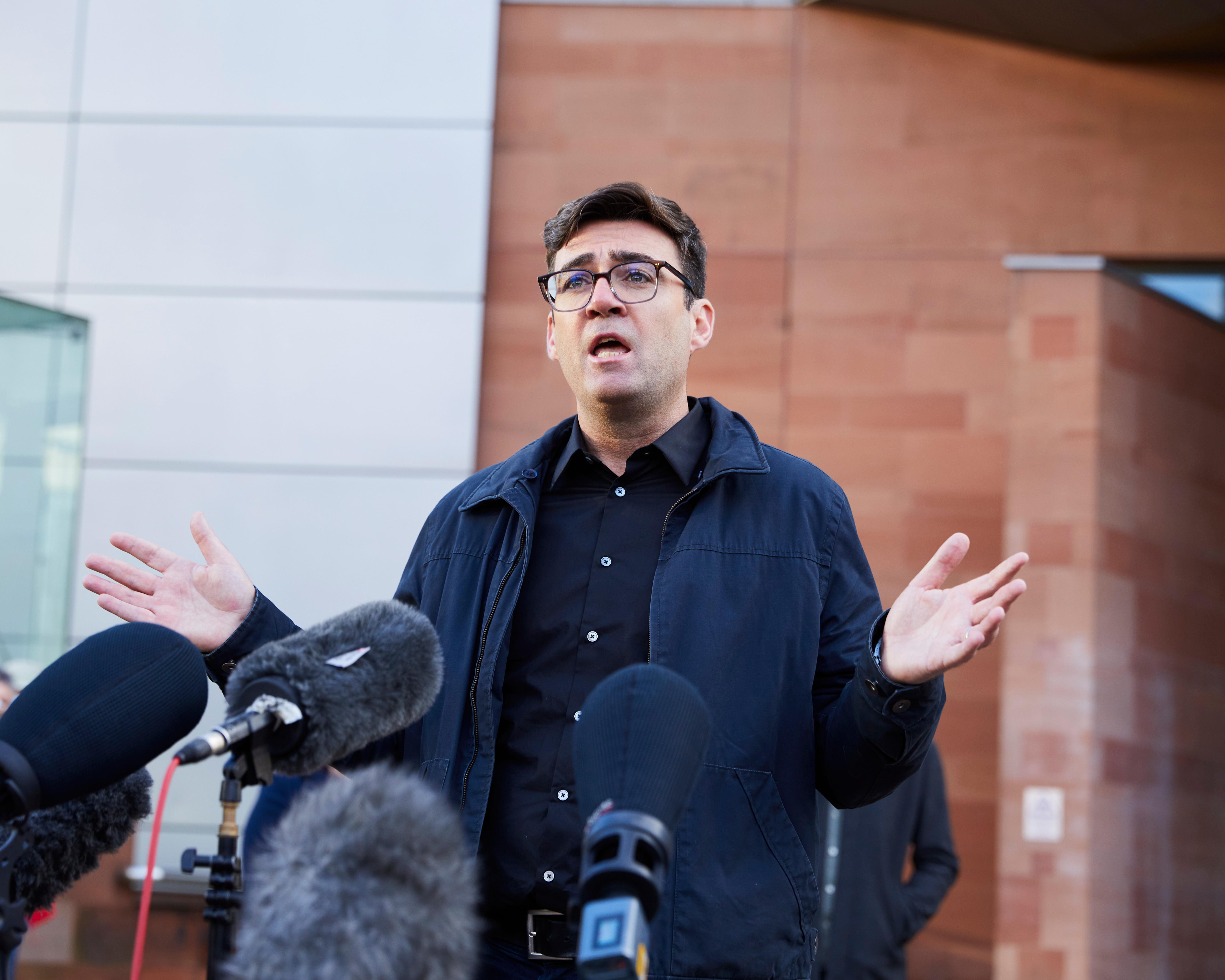
Greater Manchester mayor Andy Burnham has confirmed his candidacy for the Makerfield byelection in June, a move that serves as a strategic prerequisite for his third bid to challenge Keir Starmer for the Labour party leadership. Under current party rules, securing a seat as an MP is a mandatory requirement for any candidate seeking to contest the top position, making the June contest a critical juncture for Burnham’s political ambitions.
Burnham has framed his campaign around a critique of the current governance structure, arguing that the political system is excessively London-centric and over-centralised. He contends that this concentration of power fails to serve the majority of the country, a stance he has cultivated deliberately throughout his tenure in Greater Manchester. This focus on regional representation has earned him the moniker 'king of the north', a persona he has reinforced particularly during the pandemic by positioning himself as a voice for areas outside Westminster.
In addition to structural reform, Burnham is positioning himself as the definitive alternative to Reform UK, which currently leads in the polls. He has asserted that he is the only candidate capable of countering the influence of the right-wing party, a claim that underscores the competitive nature of the current political landscape. This narrative is designed to appeal to voters concerned about the rise of Reform UK and those seeking a distinct policy direction from the current leadership.
The strategic importance of the Makerfield byelection cannot be overstated for Burnham’s objectives. A victory would not only provide him with the necessary parliamentary status to launch a leadership challenge but also validate his platform of decentralisation and regional advocacy. The outcome will likely influence the dynamics of the upcoming Labour leadership contest, potentially reshaping the party’s internal balance of power.
Discussions surrounding Burnham’s political trajectory and motivations have been highlighted in recent media coverage, including analysis by The Guardian’s north of England editor, Josh Halliday. These insights suggest that Burnham’s campaign is built on a long-term strategy to redefine the relationship between the regions and the central government, leveraging his mayoral experience to argue for a more balanced political system.