Burnham sworn in as UK Prime Minister amid cabinet shake-up and diplomatic challenges
Analysts note immediate hurdles including Downing Street logistics and complex US relations as new administration takes office
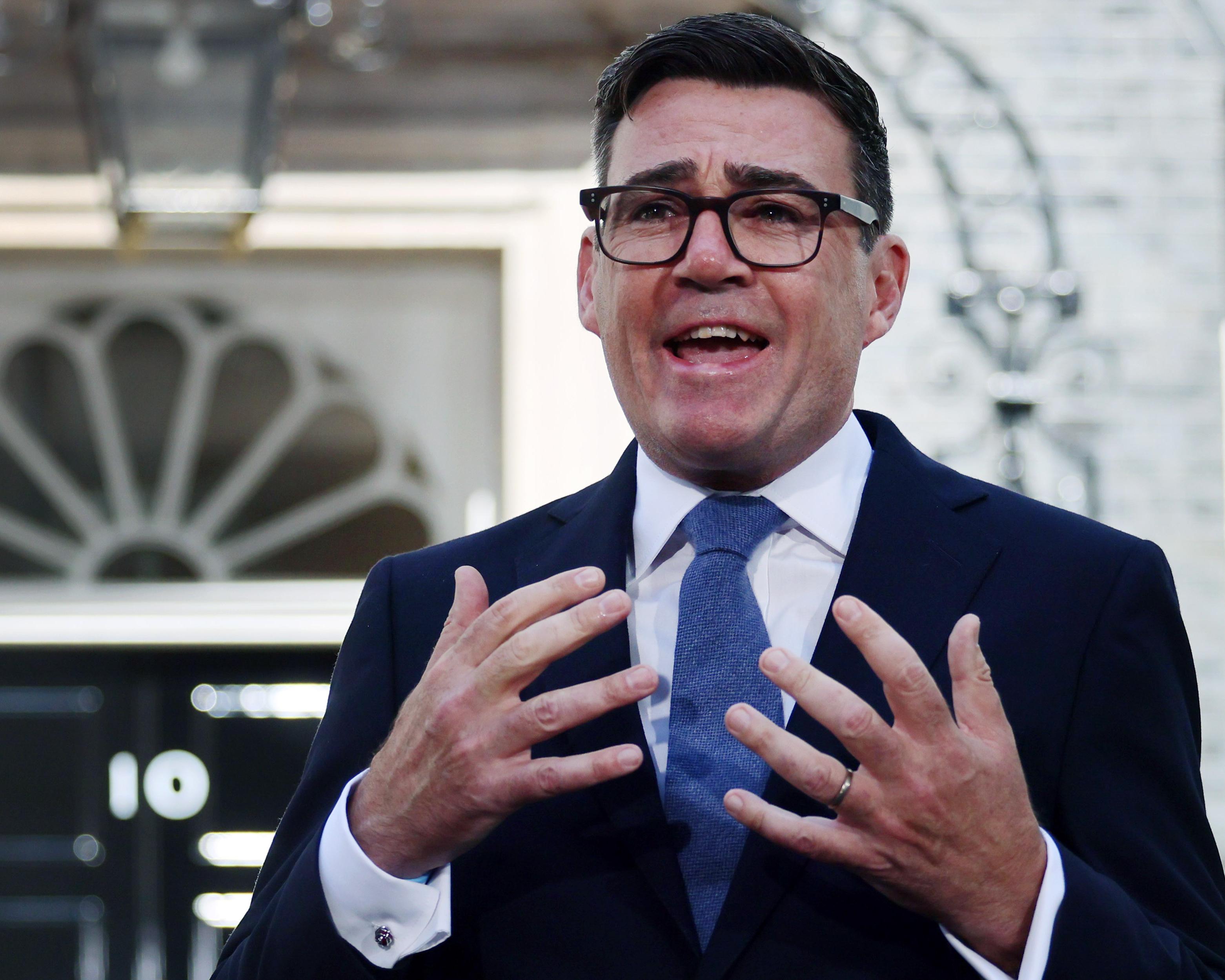
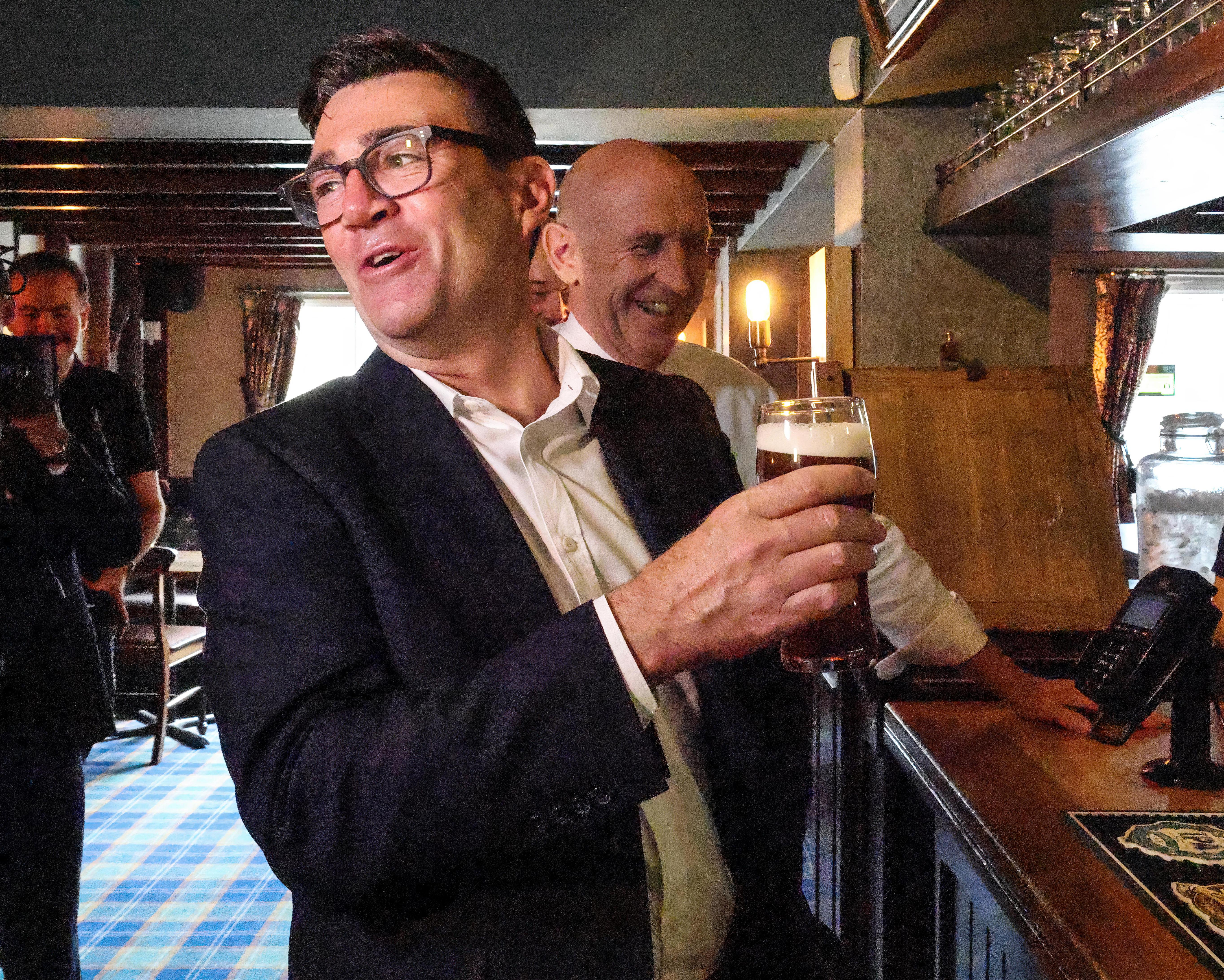
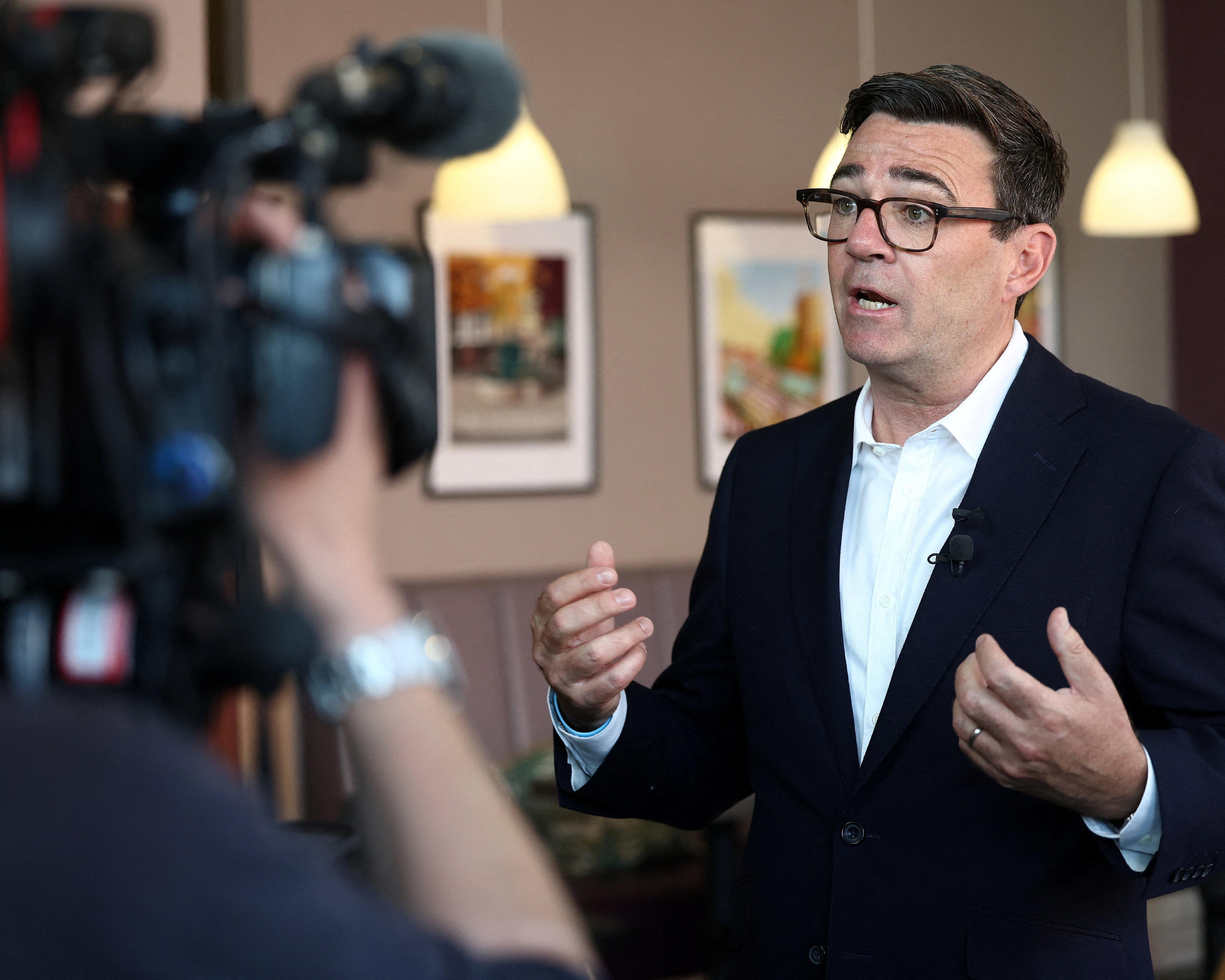
Andy Burnham has assumed the office of Prime Minister of the United Kingdom, fulfilling a long-held political ambition following the removal of Keir Starmer by Labour MPs on Monday. The transition marks a significant internal shift within the party, with Burnham stepping into No 10 Downing Street to lead the government.
In his inaugural address delivered outside 10 Downing Street, Burnham vowed to “bring back hope” and address widespread public frustration with the political establishment. He described his premiership as a moment for reflection and new resolution, explicitly referencing the need to repair damage to the nation’s political landscape.
The new administration has moved quickly to form its leadership team, with Burnham appointing Rachel Reeves as Chancellor. Senior political correspondent Peter Walker and former No 10 press secretary Paul Harrison analysed the composition of the new cabinet and Burnham’s initial plans in power, noting the strategic appointments made on his first day.
However, the new Prime Minister faces immediate operational and diplomatic hurdles. Harrison highlighted the “awkward living arrangements” within Downing Street as a practical challenge, alongside the need for complex diplomatic conversations with the President of the United States. The nature of these diplomatic engagements remains unspecified, leaving the broader context of the UK-US relationship unclear.
Burnham’s arrival at the premiership follows a period of intense internal party scrutiny. His previous role as Mayor of Greater Manchester provided a foundation for his national political career, but the challenges now before him are of a different magnitude. The administration must navigate these early obstacles while responding to the public’s demand for a renewed political direction.