Burnham selected as UK Prime Minister amid mandate concerns
Incoming Prime Minister Andy Burnham faces pressure to call a general election after uncontested selection, with sources citing his desire for a clear electoral mandate and his “communitarian” policy focus.
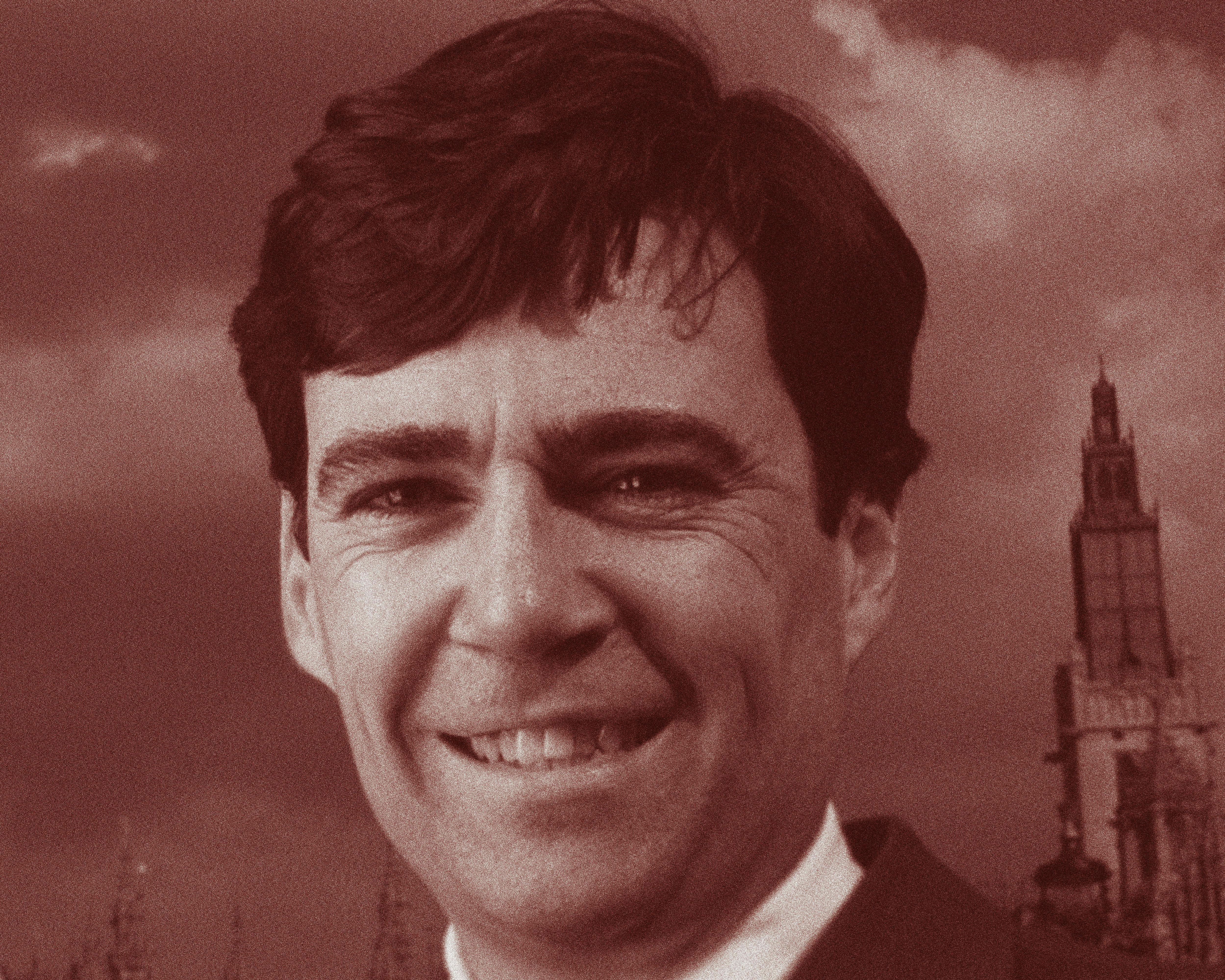
Andy Burnham has been uncontestedly selected by the Labour party to succeed Keir Starmer as the United Kingdom’s prime minister, according to a profile by Daniel Boffey in The Guardian. The 56-year-old, who previously served as Greater Manchester mayor and held various cabinet roles under Tony Blair and Gordon Brown, now faces the immediate challenge of governing without a clear electoral mandate. Reports indicate Burnham is considering calling a general election to secure public backing for his agenda, a move described by insiders as a priority for the new leader.
Burnham’s political trajectory has been marked by a consistent “communitarian” philosophy, which posits that individual rights are rooted in well-functioning communities. This approach has evolved from early concerns regarding internet safety during his tenure as a junior Home Office minister to current proposals for public control over utilities and active state investment in planning. Former mentor David Blunkett, who served as home secretary, advised Burnham to delay major policy announcements until autumn to allow time for cabinet appointments and careful strategic planning.
The selection follows a winding political career that began with a controversial school hustings victory in 1987 at St Aelred’s Catholic high school in Merseyside. While Burnham won by a landslide, the result was marred by fans unplugging the Conservative candidate’s microphone, an act of which Burnham was innocent. He later studied English literature at Fitzwilliam College, Cambridge, where he reportedly experienced “impostor syndrome” and met his wife, Marie-France van Heel, a Dutch-born partner who is reportedly uninterested in relocating to London.
Burnham’s time in Westminster included significant personal and political hardships, particularly in 2009. That year saw the death of his sister-in-law from breast cancer and his wife’s preventive double-mastectomy following the discovery of a BRCA1 gene mutation. Simultaneously, his relationship with former chief of staff James Purnell was strained when Purnell resigned from the cabinet in an attempt to oust Gordon Brown, a move Burnham chose not to follow, citing his belief that the strategy would not succeed.
Characterised by friends as “extraordinarily stubborn” and valuing family time and attending Everton FC matches as sacrosanct, Burnham is expected to assert his authority firmly. Despite being caricatured by critics as inconsistent, those close to him argue his policy positions have remained steady. As he prepares to take office, Burnham must navigate the transition from Manchester to Downing Street while addressing the expectations of a party seeking a definitive mandate for change.