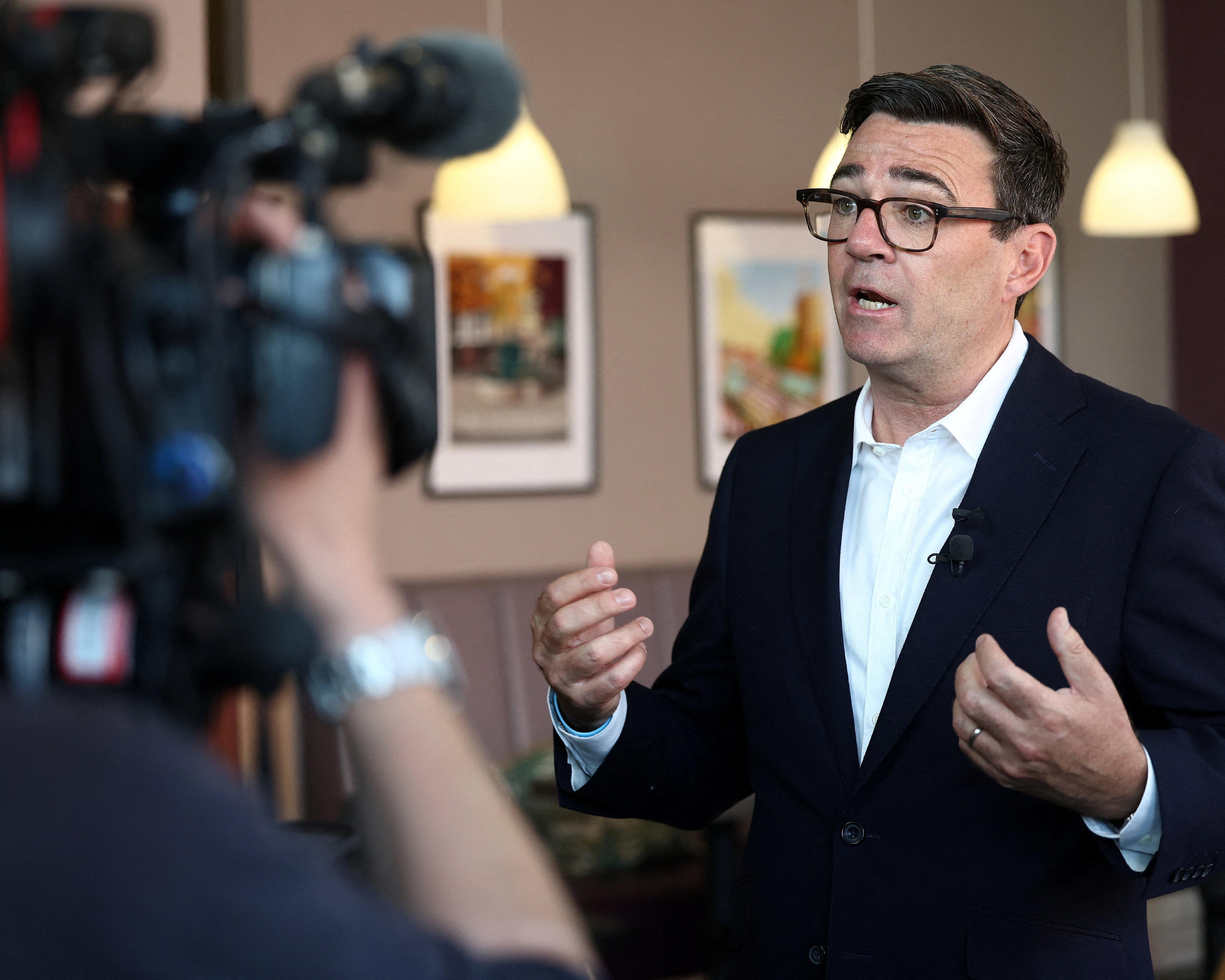
Burnham reshuffle sparks accusations of factional retribution among Starmer allies
Critics allege loyal ministers were sidelined while those who previously undermined Keir Starmer were rewarded, with concerns also raised over declining female representation at the highest levels of government.
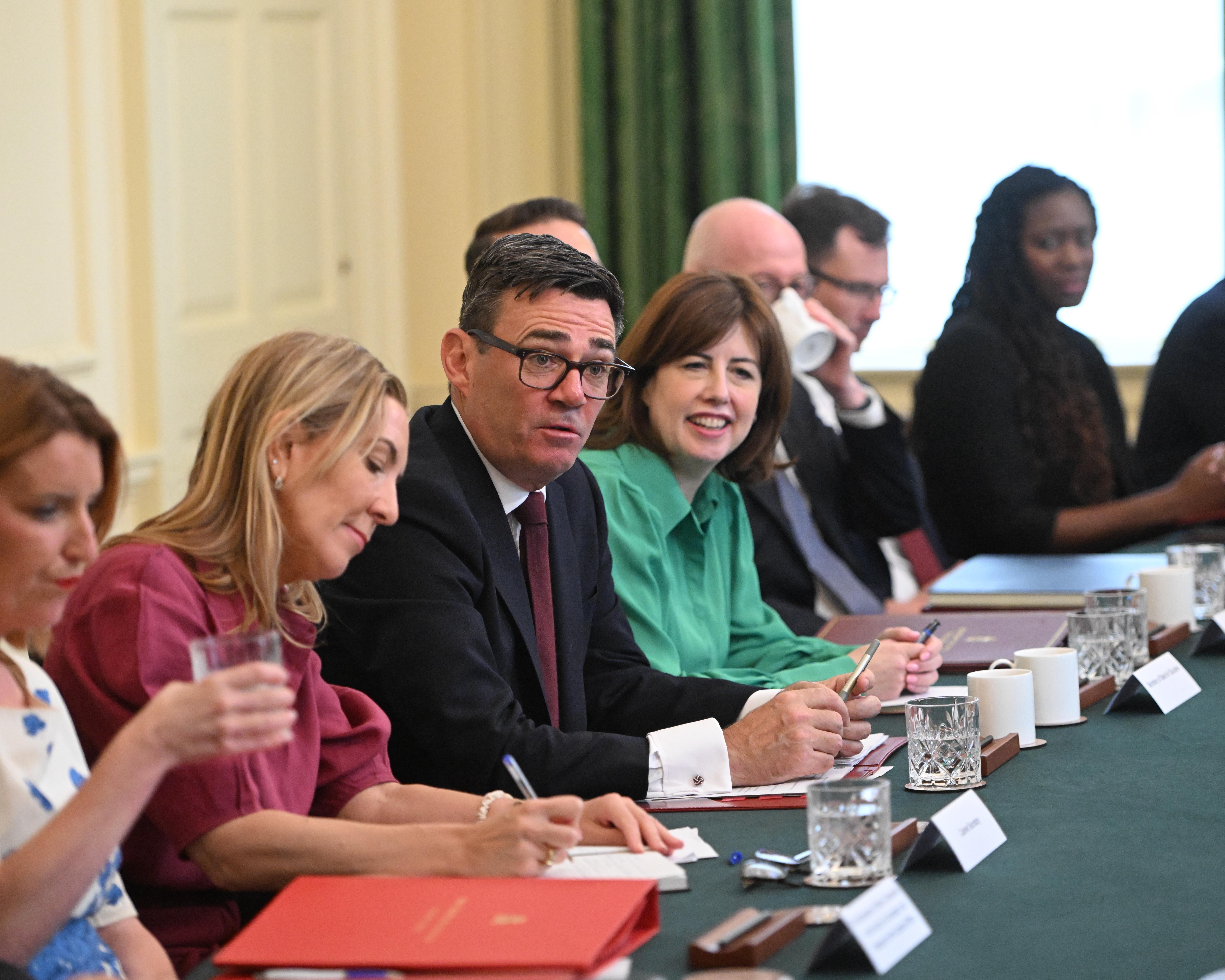
Andy Burnham has conducted his first cabinet reshuffle, removing or demoting more than half of Keir Starmer’s outgoing team, a move that has triggered accusations of factional retribution from the former prime minister’s allies. Critics argue that loyal ministers such as Nick Thomas-Symonds and Bridget Phillipson were sidelined, while figures who previously undermined Starmer, including Wes Streeting and John Healey, were promoted to senior posts. The transition has been marked by a mix of reflective mood among the outgoing team and underlying anger, with particular concern raised over the decline in female representation at the highest levels of government.
Specific allegations of retribution cite the treatment of Thomas-Symonds, who was sacked as Cabinet Office minister, and Phillipson, who lost her education brief but remains equalities minister. Both were described as quietly loyal and diligent. In contrast, Streeting and Healey, who previously resigned in a manner perceived as undermining Starmer, have been appointed to senior posts. One outgoing official characterised the shift as "less a purge of Starmerites than getting rid of people who were loyal to a Labour leader, while promoting people who were serially disloyal," warning that this sends a dangerous message to members of parliament.
Concerns were also raised regarding gender representation within the new administration. Only one of the four great offices of state is now held by a woman, a significant drop from the three women who held such positions in the Starmer cabinet. This decline has contributed to a sense among some outgoing officials that the reshuffle was handled in a manner that was "not fantastic," particularly regarding those who had served with integrity.
Special advisers to outgoing ministers have been offered discussions with Alison Phillips, Burnham’s deputy chief of staff, regarding their future roles. This is an exception to standard practice, where special advisers typically depart when their ministerial boss leaves. The outgoing team was given approximately one month to digest Starmer’s decision to stand down before the reshuffle occurred, allowing for a period of reflection rather than immediate bitterness.
Starmer, Rachel Reeves, and other No 10 officials gathered at a north London pub on Monday evening, described by one source as "jovial, but with more than a hint of anger." Despite the tensions, there is an acceptance that politics is tough and that the change was handled sensitively, with outgoing ministers being called directly by Burnham. As one source noted, while the event was the culmination of a highly emotional period, there is a sense of handing over the country in a better place.