Burnham rejects EU rejoin bid, pledges domestic focus in Makerfield campaign
Andy Burnham argues that re-litigating Brexit would keep the UK in a “permanent rut”, as he outlines a platform targeting four decades of perceived policy failure in the north of England.
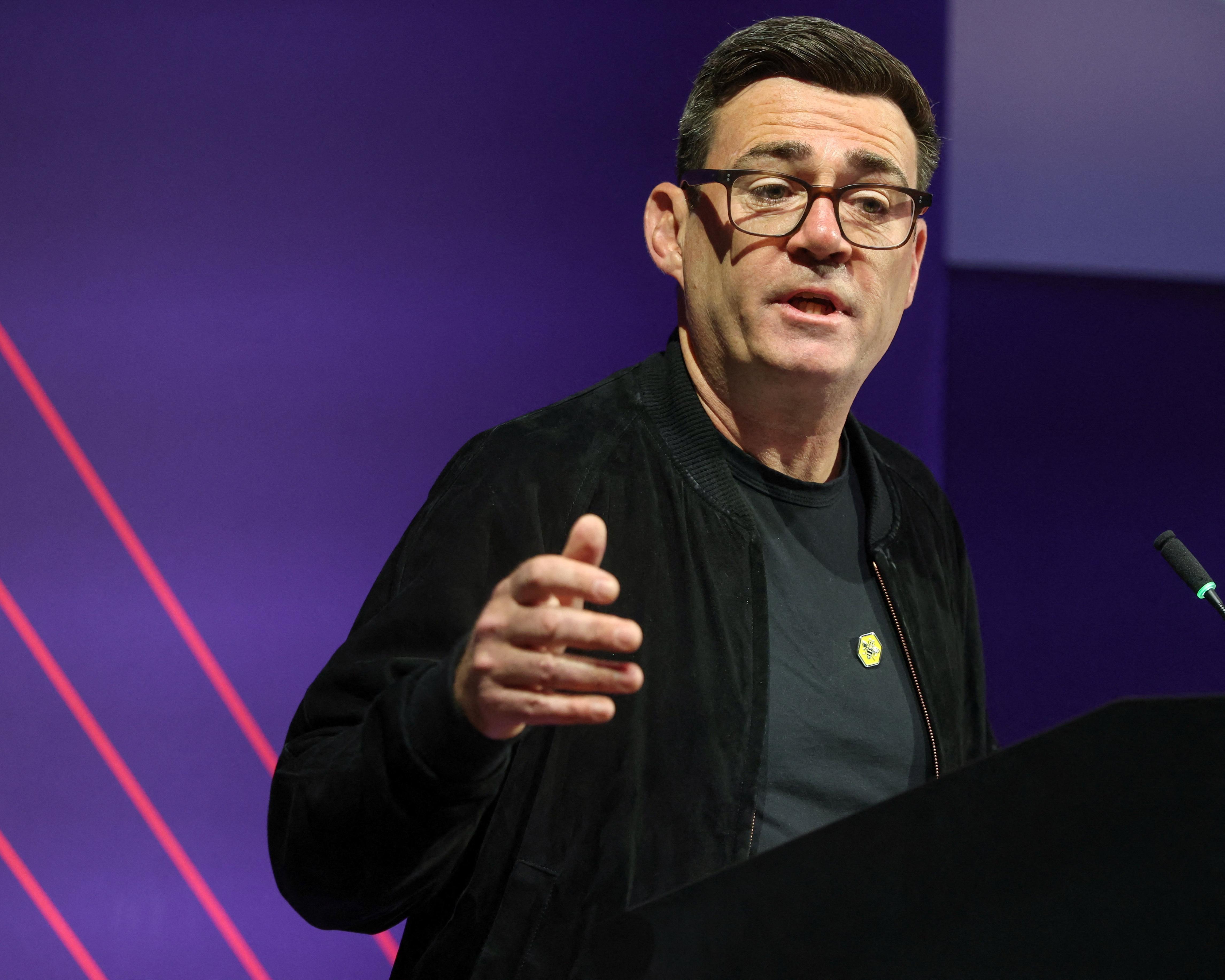
Greater Manchester Mayor Andy Burnham has formally ruled out campaigning for the United Kingdom to rejoin the European Union, arguing that re-opening the Brexit debate would trap the nation in a “permanent rut”. In his first major public address since confirming his candidacy for the Makerfield byelection, Burnham pledged a “relentless domestic focus” aimed at addressing what he described as decades of economic neglect in the north of England.
The comments were made in direct response to recent remarks by potential Labour leadership rival Wes Streeting, who suggested the UK should rejoin the EU following his resignation as health secretary. Burnham acknowledged that Brexit had been damaging but insisted that rerunning those arguments was counterproductive. “Let’s fix our own country. Let’s get it working again,” he said, framing the byelection as an opportunity to shift national attention away from constitutional debates and toward local economic recovery.
Burnham characterised the political landscape over the last 40 years as defined by “neoliberalism” and “trickle-down economics,” which he argued had failed northern communities. He stated that these policies had deindustrialised the region in the 1980s and were subsequently followed by deregulation, privatisation, and austerity. According to Burnham, this approach had siphoned wealth from places such as Platt Bridge and Hindley into the hands of those who were already affluent, rather than delivering the promised economic uplift.
The mayor described Makerfield as a constituency “long forgotten by national politics” and stated his intention to use the byelection to place such areas at the centre of the national debate. He apologised to residents for the “circus” and inconvenience the campaign would bring, but expressed hope that the attention would highlight the need for political change. He argued that people were losing faith in the political system and that the byelection was necessary to demonstrate how politics could be restructured to work for the north.
This political intervention occurs against a backdrop of market anxiety, with 30-year UK government bond yields reaching 5.8 per cent, the highest level since 1998. While investor concern has been linked to internal tensions within the Labour Party and the possibility of a leadership challenge against Prime Minister Keir Starmer, Burnham’s speech sought to anchor the campaign in local governance issues rather than national instability. He promised an ambitious plan to lift up Makerfield’s people and places over the next decade.