Burnham poised to succeed Starmer as Labour leader amid governance shift
Keir Starmer bows out after intense pressure from MPs and cabinet ministers concerned about Reform UK threat, while Andy Burnham signals policy focus on economy and devolution.
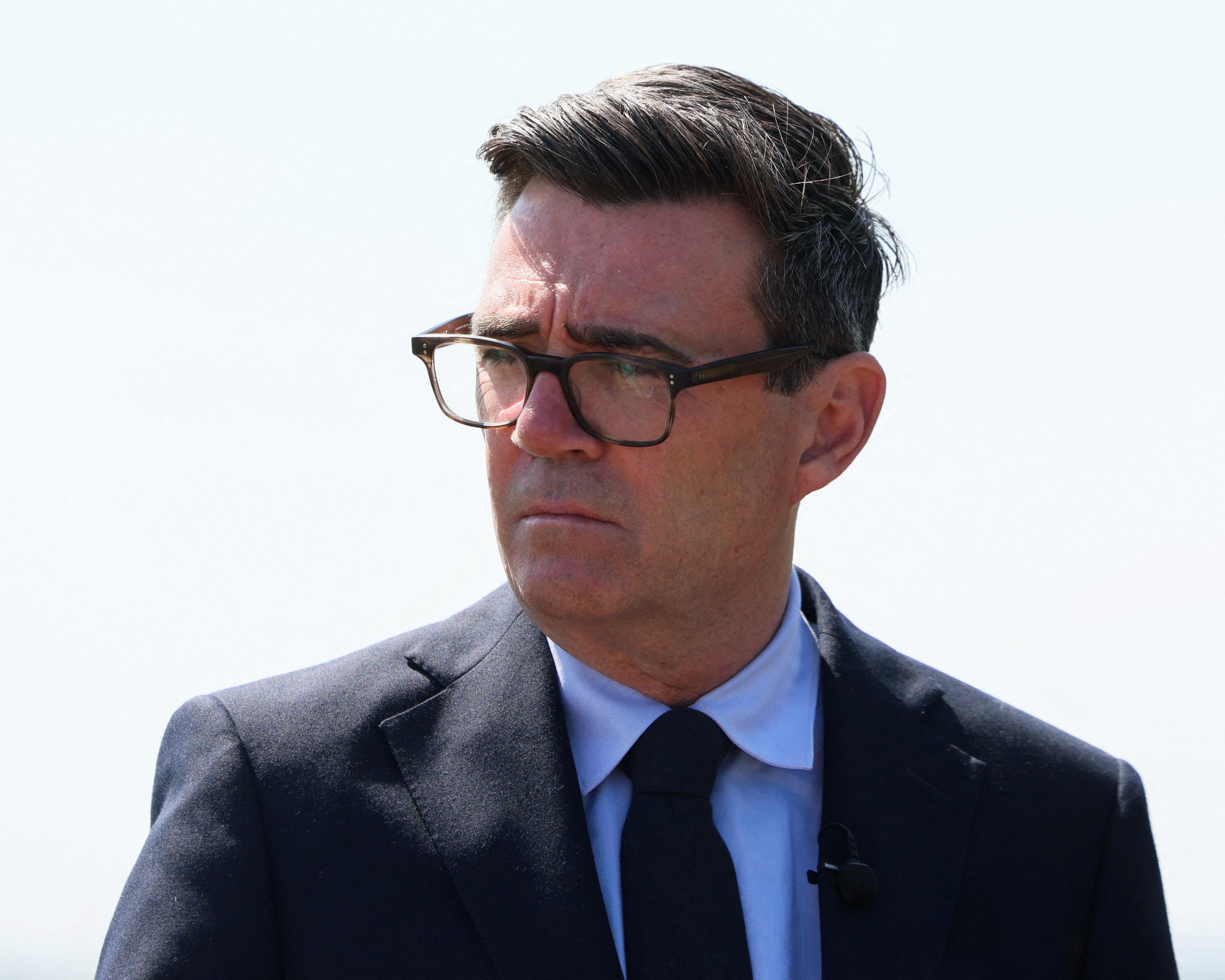
British Prime Minister Keir Starmer has resigned as leader of the Labour Party, citing intense pressure from MPs and cabinet ministers regarding the electoral threat posed by Reform UK. Starmer announced a timetable for his departure, with nominations for the leadership contest opening on 9 July. However, with Wes Streeting confirming he will not challenge, Andy Burnham, the newly elected MP for Makerfield, is all but certain to succeed Starmer unopposed. Burnham is expected to enter Downing Street as early as 16 or 17 July. He has signalled a policy shift focusing on the economy and devolution, with potential cabinet appointments including Ed Miliband as chancellor and Shabana Mahmood remaining at the Home Office. Starmer pledged an orderly handover, while opposition leader Nigel Farage called for a general election, a move Burnham has rejected.
The resignation follows an unusually emotional speech from Starmer, who stated he accepts the answer from his parliamentary party that he is no longer the best person to lead into the next election. His departure timeline was accelerated after conversations with cabinet ministers over the weekend and time spent with his wife, Victoria, at Chequers. Starmer, who became UK Prime Minister less than two years ago following a historic election victory in 2024, described his decision as necessary to ensure the party is best placed for the future.
Andy Burnham, the former Mayor of Greater Manchester, has signalled a significant policy direction upon his anticipated arrival in government. He intends to focus on the economy and devolution, with reports suggesting he is considering appointing Ed Miliband as chancellor to challenge Treasury orthodoxy. Shabana Mahmood is expected to remain at the Home Office, having been praised by Burnham for addressing immigration issues during the byelection campaign. The transition team will be led by Louise Haigh, with assistance from Miliband, Miatta Fanbulleh, and Josh Simons.
Market reaction to the political shift was muted, with the yield on 10-year government bonds falling slightly on Monday. Burnham’s team has spoken to Jim O’Neill, a former Conservative Treasury minister, about potentially serving as chief economic adviser to reassure investors. Burnham has indicated a desire to move beyond what he described as the country being “in hock” to bond markets, while also exploring major devolution announcements, such as allowing mayors to set their own business rates.
Opposition leader Nigel Farage called for a general election immediately following Starmer’s resignation, arguing the UK could not afford to drift from crisis to crisis. Burnham has rejected this call, emphasising the need for stability and seriousness. As Burnham prepares to take office, Starmer has pledged full support for his successor, aiming for an orderly handover despite earlier reports of frustration between the two leaders. The UK is now set to appoint its seventh prime minister in the last 10 years, highlighting a period of significant political instability.