Burnham pledges preventative state in first Downing Street address
Andy Burnham acknowledges political failures and outlines a ten-year strategy, contrasting his approach with the fiscal caution of his predecessor.
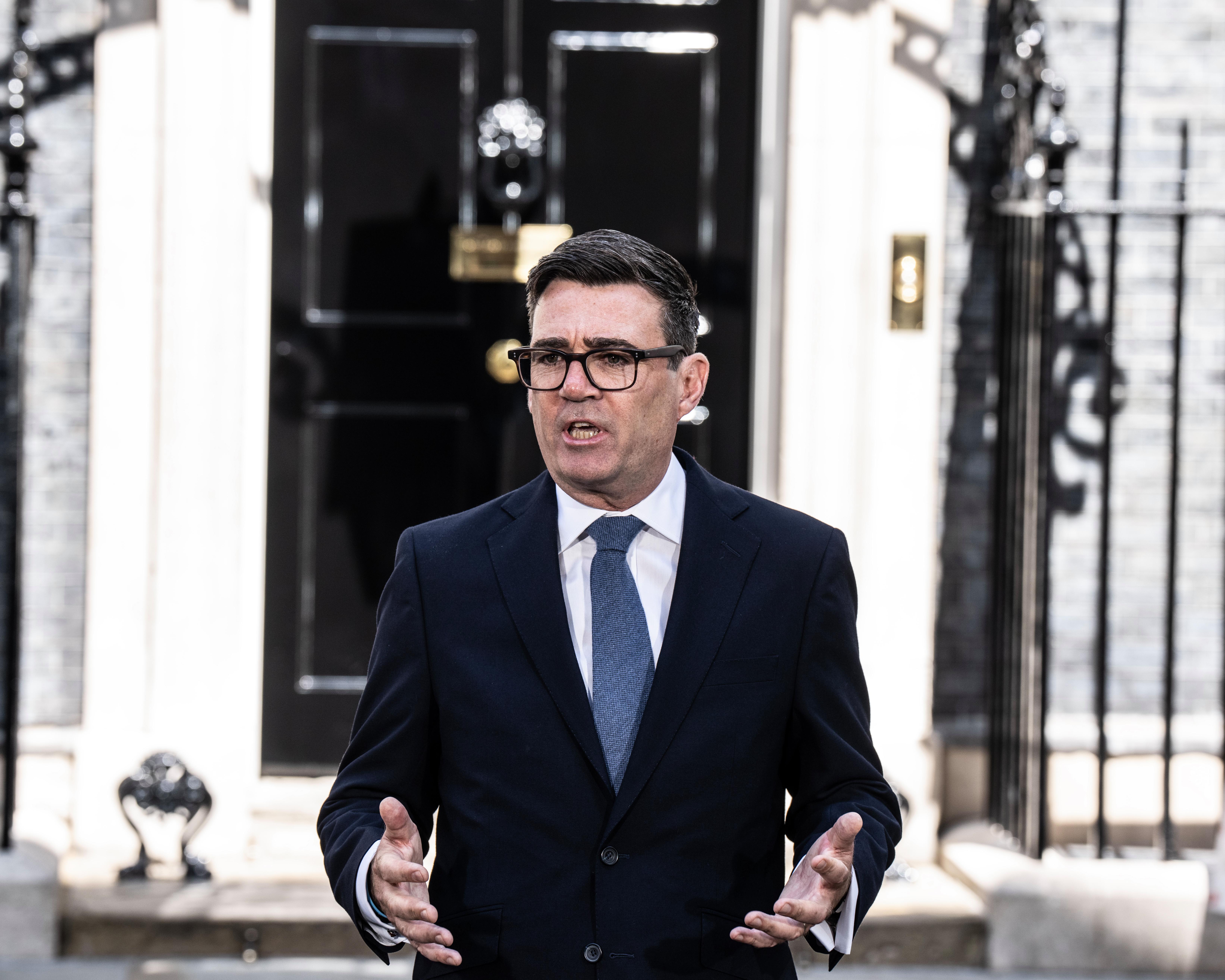
Andy Burnham has delivered his inaugural speech as prime minister from Downing Street, positioning himself as a ‘circuit breaker for Britain’ and outlining a ten-year strategic plan. The address marked a significant political transition, with Burnham entering the role as a "political blank slate" following the Makerfield byelection, having been out of parliament for nearly a decade and out of government for 16 years.
The speech, which lasted just over five minutes, was framed as a mass political mea culpa. Burnham acknowledged past political failures, stating that leaders have "not been good enough" and pledging to build a more preventative state. He told the public: "I know people at home are fed up with politics. I hear you, and I want to be honest with you: we have not been good enough, and we need to be better."
Burnham, who previously served as Greater Manchester mayor and health secretary, emphasised long-term stability and devolution. His agenda focuses on reversing deindustrialisation and addressing issues such as rough sleeping. He referenced a previous pledge to end rough sleeping in Greater Manchester by 2020, noting that while numbers fell, they later crept up due to national policy factors such as asylum accommodation changes and frozen housing allowances.
The new prime minister’s approach contrasts with the initial post-2024 election message of his predecessor, Keir Starmer, which was described as "gloomy" and focused on fiscal black holes. Burnham is embracing a more open call for hope, aiming to shift away from the narrative of inevitable decline that characterised the early months of the previous administration.
Institutional investors are described as looking on with "eagerness, and in some cases trepidation." Burnham enters No 10 with no contest or scrutiny beyond the Makerfield byelection, facing pressure to deliver on his promises of stability and to ward off potential challenges from figures such as Nigel Farage.