Burnham pledges fiscal discipline amid scrutiny over tax cut funding
Prime Minister Andy Burnham’s inaugural cabinet meeting signals a pivot to household relief, but critics question the financial viability of scrapping the controversial identity programme.
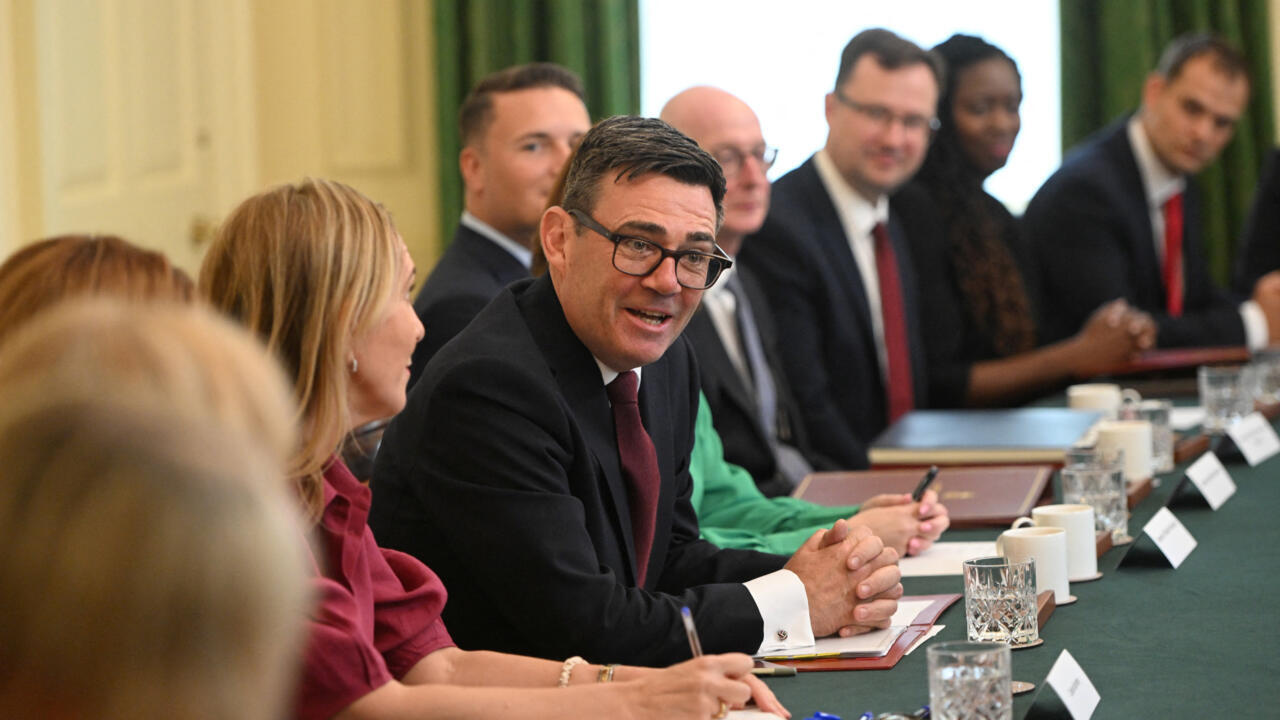
UK Prime Minister Andy Burnham convened his first cabinet meeting on July 21, 2026, formally committing to the establishment of a "cost-of-living government". The announcement followed the unveiling of an energy tax cut on his first full day in office, marking an immediate shift in policy focus toward alleviating household financial pressures.
During the inaugural session, Burnham emphasised the necessity of "fiscal discipline" while stating that the administration must be "prepared to reprioritise". This strategic pivot involves the cancellation of former Prime Minister Keir Starmer’s digital ID scheme, a move intended to fund a reduction in the value-added tax (VAT).
The decision to scrap the digital ID programme addresses significant public opposition that previously saw a parliamentary petition garner close to 3 million signatures. The initiative had become the second-largest public parliamentary petition on record, reflecting widespread resistance to the mandatory identity cards.
However, the financial mechanics of this policy shift have drawn immediate scrutiny. Critics have questioned whether the cancellation of the digital ID scheme can adequately fund the proposed VAT cut. The estimated cost of the identity programme was £1.8 billion ($2.4 billion) over three years, yet allegations persist that funding for this amount was never fully allocated, casting doubt on the projected savings.
Finance Minister John Healey is overseeing the financial implications of this transition. While the new government cites the need to address immediate economic burdens over the implementation of the identity system, the exact viability of the funding model remains a point of contention within political circles.