Burnham pledges 'circuit breaker' reforms as sixth UK prime minister in a decade
Andy Burnham has formally taken office, describing his arrival as a moment for the biggest political and economic changes in 40 years, with immediate measures on energy and transport expected Tuesday.
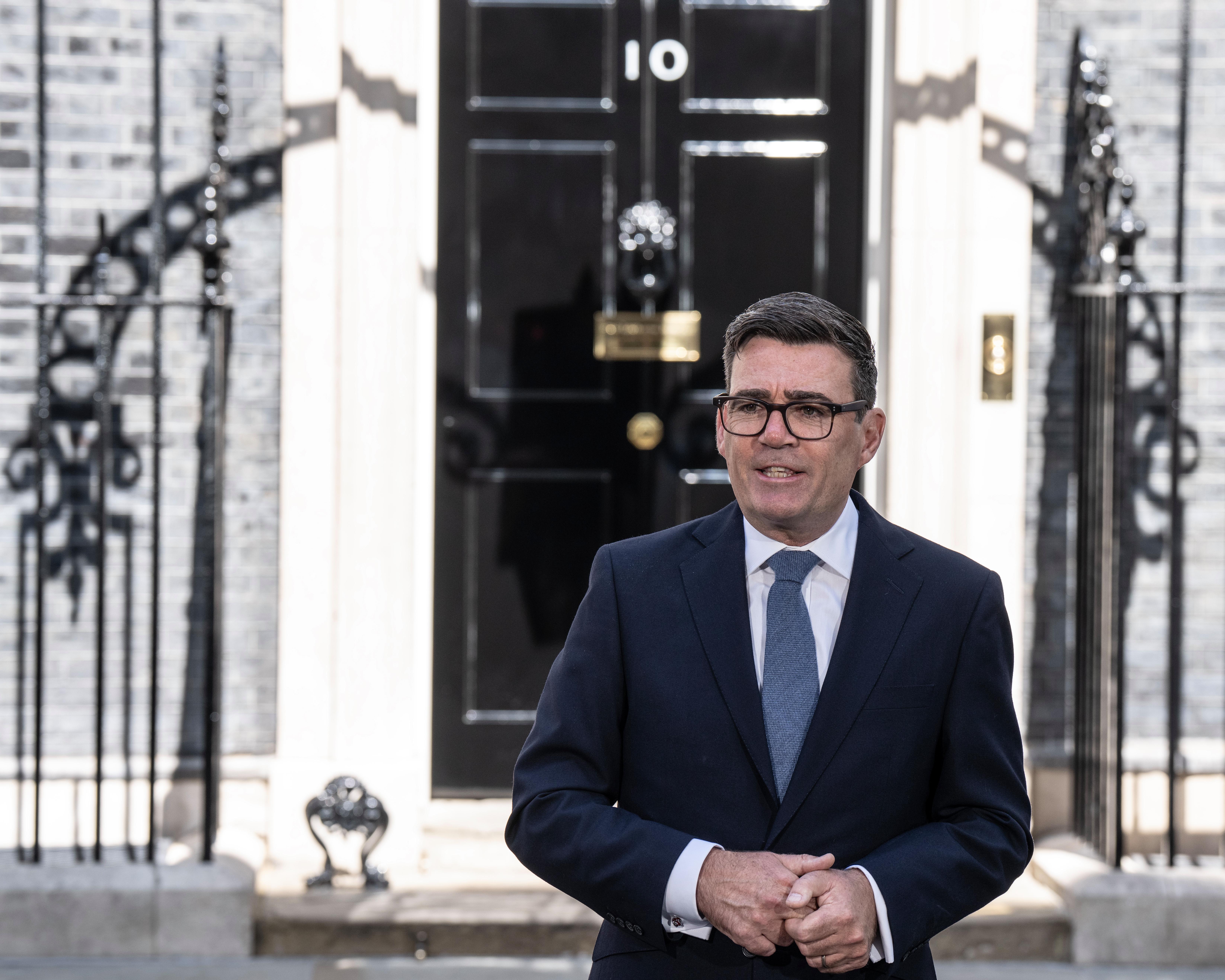
Andy Burnham has formally assumed office as the sixth UK Prime Minister in a decade, succeeding Keir Starmer following an audience with King Charles at Buckingham Palace. In his first speech outside Downing Street, Burnham described his appointment as a “circuit breaker” moment, pledging to implement the most significant political and economic reforms in 40 years. His administration’s immediate focus is on alleviating cost-of-living pressures through support for energy bills and bus fares, alongside a 10-year plan to decentralise power and restore stability.
Burnham acknowledged the historical context of his tenure, noting he is the seventh prime minister since 2016 and the sixth in the last 10 years. Speaking without notes to an audience that included his wife, Marie-France van Heel, and allies such as Steve Rotheram and Peter Reid, he called for his generation of politicians to “raise our game.” He stated that Britain needs to show the world it can regain stability, aiming to make politics more collaborative and focused on problem-solving rather than point scoring.
The new prime minister outlined a 10-year plan to transform the UK’s political and economic models, aiming to reverse what he described as the “wrong turns” of the 1980s. Burnham argued that the centralisation of political power and privatisation of economic power during that era left large parts of the country deindustrialised and in decline. His strategy involves taking power out of the centre and carrying it into “every postcode in the land” to restore local agency and economic resilience.
Immediate measures to alleviate cost-of-living pressures are expected to be announced on Tuesday, with funding details to follow. Burnham confirmed that the government would provide support for energy bills and bus fares to give households “some breathing space now.” This focus on domestic economic pressures marks a clear shift in the new government’s early agenda, prioritising household financial stability over international affairs in the immediate term.
Burnham also pledged to end rough sleeping, a policy previously championed by former Labour leader Jeremy Corbyn, following a visit to homeless people in central London on Monday morning. The transition follows Starmer’s resignation after losing the support of many Labour MPs and ministers amid political mishaps and U-turns. Burnham, who returned to parliament via a byelection staged by his allies, is scheduled to begin making cabinet appointments on Monday afternoon.