Burnham launches cross-party social care talks as Tories reject tax-funded reforms
Labour and Liberal Democrat figures express scepticism over feasibility of consensus as Conservative leader Kemi Badenoch sets strict fiscal conditions for engagement.
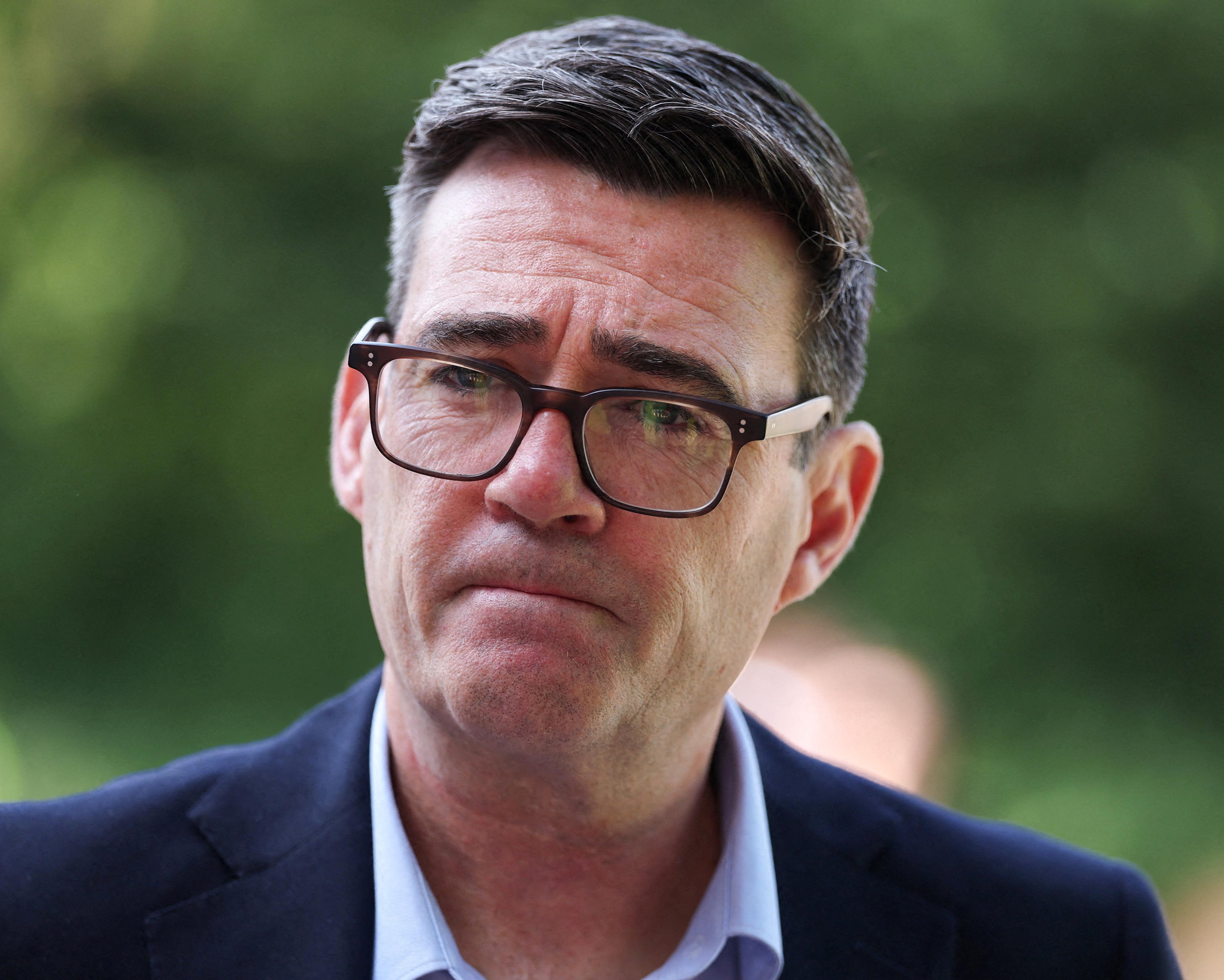
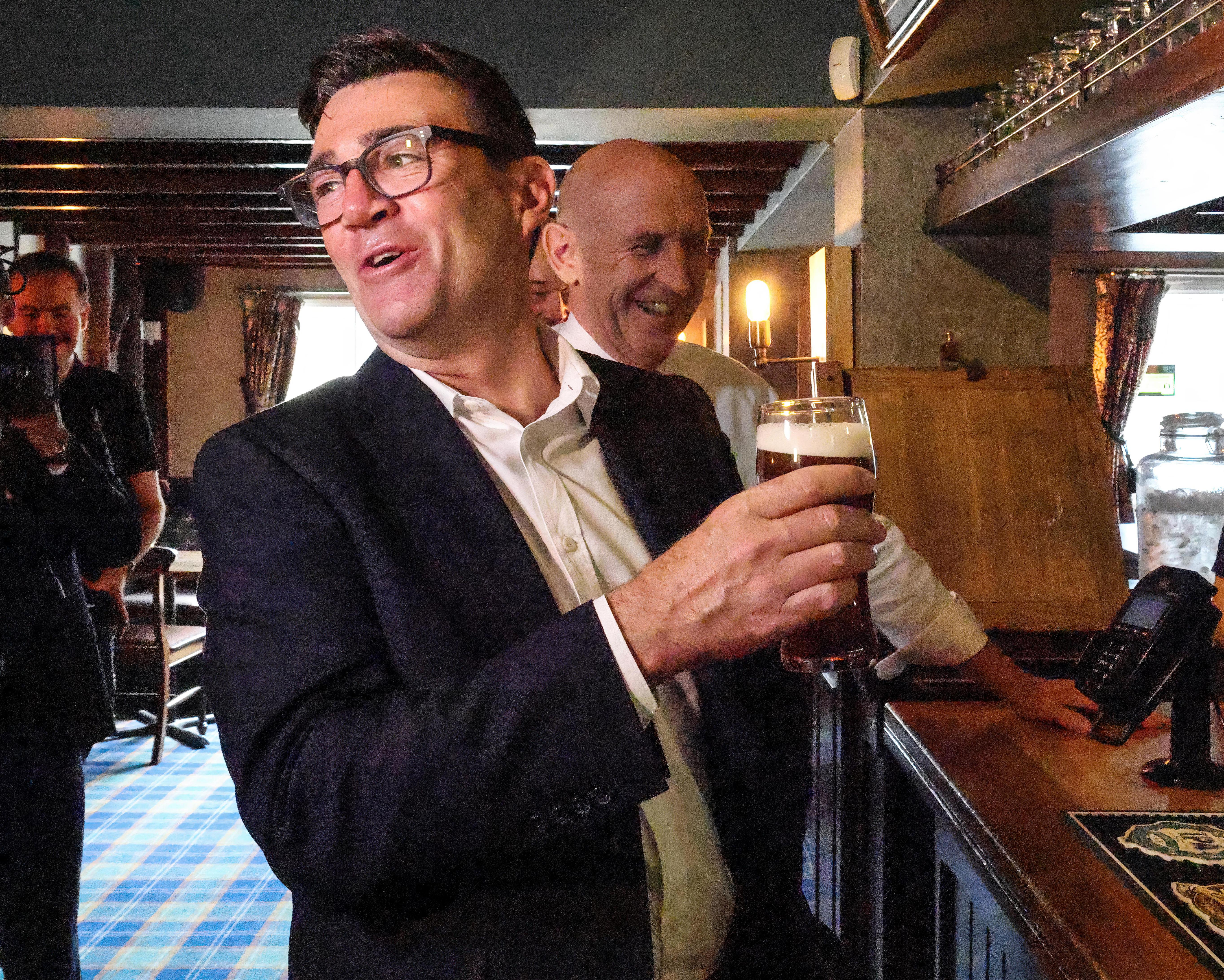
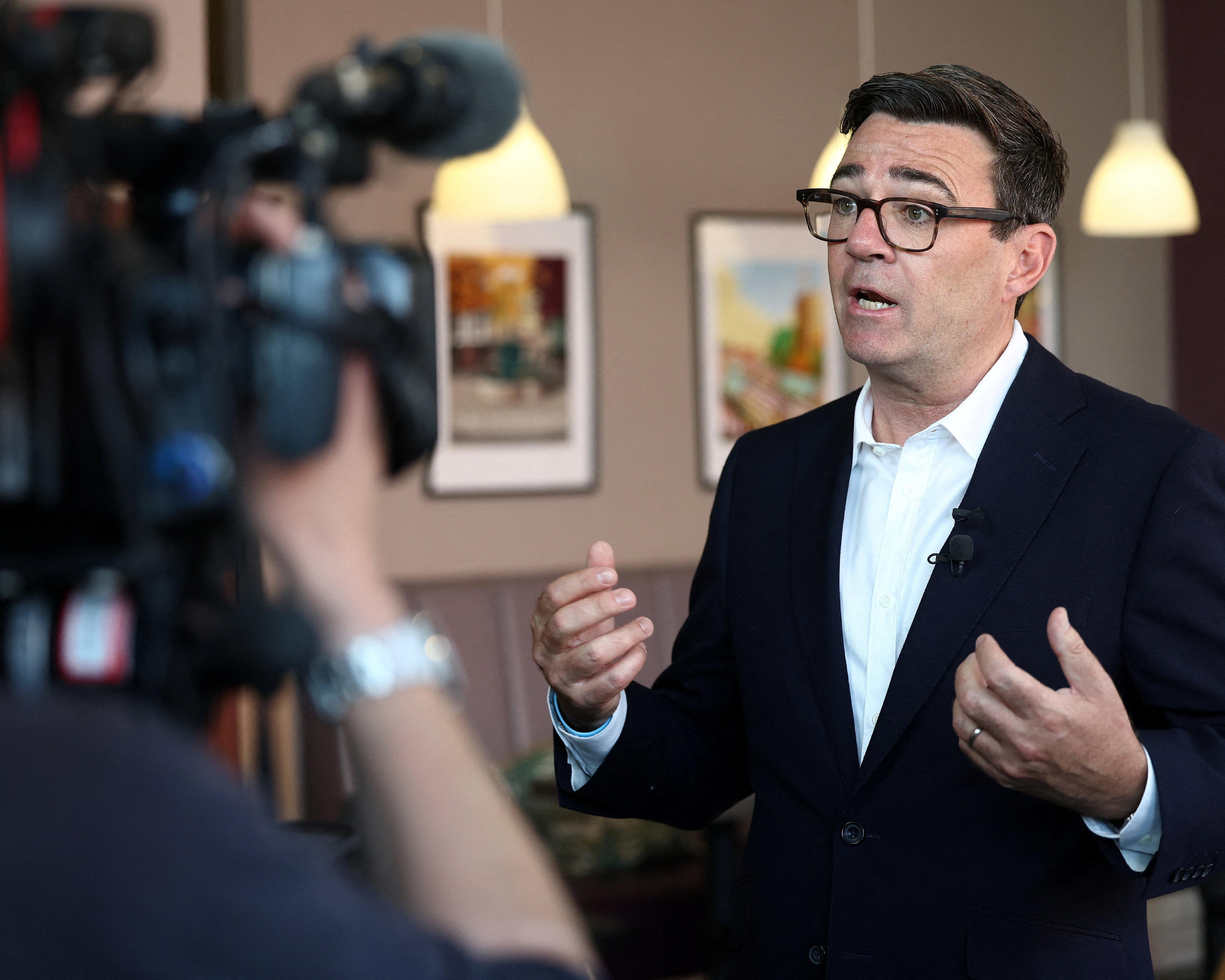
Prime Minister Andy Burnham has initiated cross-party negotiations to overhaul England’s social care system, committing to a model that is free at the point of use. Speaking ahead of a major policy address, Burnham stated he would utilise his political capital to drive substantial change before the next election, aiming for a framework that operates on National Health Service principles. He described the current system as broken and highlighted the immense pressure its failures have placed on the health service, urging a shift from point-scoring to problem-solving.
The Conservative opposition, led by Kemi Badenoch, has firmly ruled out supporting any reforms reliant on tax increases or additional borrowing. In a letter to Burnham, Badenoch insisted that any viable solution must be funded through spending cuts, arguing that new taxes or borrowing would unfairly burden future generations. This rigid fiscal stance has prompted senior figures within both Labour and the Liberal Democrats to privately doubt the likelihood of reaching a durable consensus, with one Labour source suggesting the Conservatives’ position is a long-standing attack line rather than a genuine offer of collaboration.
Despite the Conservative opposition, Liberal Democrat leader Ed Davey and Green MP Ellie Chowns have indicated a willingness to engage in talks. Davey has agreed in principle to meet with Burnham, though a Liberal Democrat source expressed surprise at the government’s perceived reluctance to work closely with the party, citing shared personal experiences with the care system. The Liberal Democrats have stipulated that the inclusion of family carers is a condition of their support for any resulting tax changes, while Chowns welcomed the urgency of the government’s approach.
Burnham is exploring several structural options, including a middle-ground approach similar to Scotland’s model, where the state covers personal care costs but individuals pay for accommodation and food. While a care costs cap is considered less attractive to the Prime Minister due to its lower cost to the taxpayer, he intends to pursue short-term agreements as a precursor to a longer-term solution. He emphasised that he does not wish to leave office without implementing a new system, though he declined to specify a timeline for its introduction.
Concurrent with these political manoeuvres, the health and social care committee has urged that Louise Casey’s review of the sector be completed by the end of the year, accelerating the timeline from the previously expected 2028. Currently, only individuals with assets below £23,250 qualify for state support with care costs. Meanwhile, trade unions are exerting pressure on the government, with the TUC backing a national care service funded by taxing the wealthy, and Unison demanding a reversal of migration measures affecting care workers.