Burnham introduces £850m electricity VAT cut amid major cabinet purge
Policy effective from October funded by scrapping digital ID scheme; Northern Ireland excluded due to post-Brexit trade rules
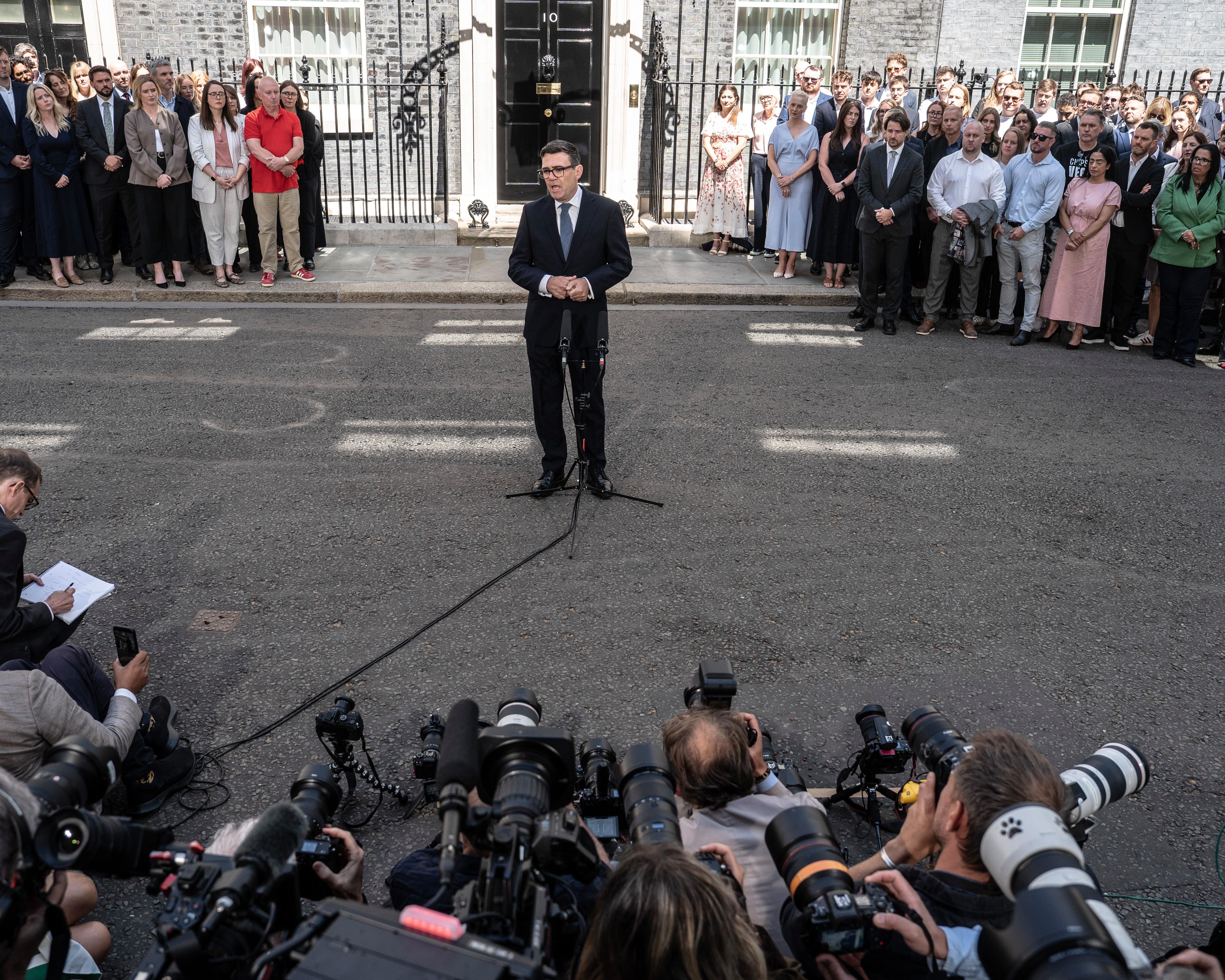
Andy Burnham, the newly appointed UK prime minister, has unveiled his first major policy initiative: the removal of Value Added Tax on domestic electricity bills. The £850 million measure, set to take effect from 1 October 2026, is projected to reduce average annual household energy costs by approximately £45. Downing Street stated that suppliers are expected to pass these savings directly to consumers as part of an effort to alleviate cost of living pressures.
The policy is partially funded by the cancellation of the previous administration’s digital ID scheme, which had been estimated to cost £1.8 billion over three years. Speaking on his second day in office, Burnham described the move as immediate action to cut taxes and put money back into people’s pockets. He stated his aim was to give citizens breathing space and restore hope, framing the tax cut as a central pillar of his administration’s approach to economic stability.
Chancellor John Healey, appointed to the role following the reshuffle, argued that the VAT reduction would help bring down inflation while supporting households across every postcode. The announcement was accompanied by a significant restructuring of the government, with Burnham removing several loyalists from former prime minister Keir Starmer’s cabinet. Ministers dismissed included Rachel Reeves, David Lammy, Steve Reed, Peter Kyle, and Darren Jones.
The funding mechanism for the energy cut has drawn scrutiny from within the former ruling party. Darren Jones, the former Chief Secretary to the Treasury who was sacked as Chancellor of the Duchy of Lancaster, publicly questioned the fiscal logic. Jones noted that the digital ID programme was unfunded and that the money had not been set aside, suggesting the government must clarify how it intends to finance new policies in the upcoming budget.
The VAT cut does not apply in Northern Ireland due to existing EU VAT rates mandated by post-Brexit trade arrangements. Instead, the Stormont executive will receive separate funding to implement an equivalent level of support for households in the region. While the policy was welcomed by some as a positive step, it faced criticism from Liberal Democrat leader Ed Davey, who argued the measures did not go far enough to address the scale of the cost of living crisis.
In the reshuffled cabinet, Louise Haigh has been appointed as the new Chancellor of the Duchy of Lancaster. Burnham is scheduled to chair his first full cabinet meeting later in the day, marking a definitive break from the previous government’s personnel and policy direction.