Burnham inherits six immediate policy crises as new UK Prime Minister
Andy Burnham succeeds Keir Starmer with a complex agenda including cost-of-living measures, a water company rescue, and navigating tensions with the US and EU.
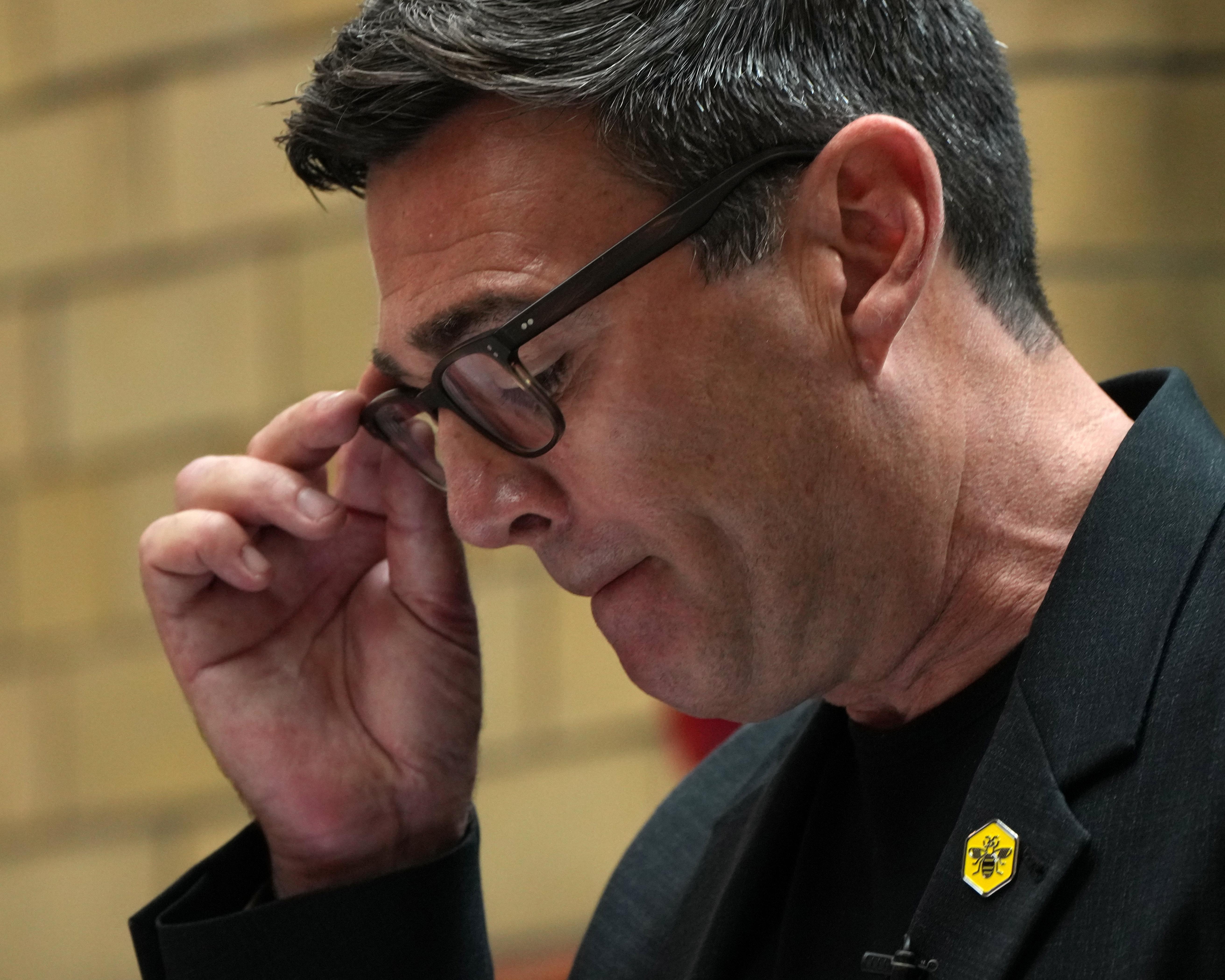
Andy Burnham has assumed the role of UK Prime Minister, succeeding Keir Starmer, and is immediately confronting a slate of urgent governance challenges. Advised in an unofficial capacity by Sue Gray, who previously compiled a dossier of immediate fires for the Labour leadership, Burnham must navigate six critical policy areas in his first weeks. His administration has signalled a focus on short-term cost-of-living relief, though funding these measures within tight fiscal constraints remains a primary hurdle.
To address the cost of living, Burnham’s team is considering a year-long rent freeze for the private sector, a reduced cap on bus fares, and the removal of green levies from energy bills, with funding sourced through general taxation. While some advisers have urged the implementation of wealth taxes to support these commitments, Burnham has indicated that such measures will not be pursued in the immediate term. This decision comes as the government seeks to put money back into households without exacerbating existing fiscal pressures.
The Treasury faces a £4.7bn shortfall in defence investment plans left by the previous administration. Downing Street and Treasury officials suggest increasing borrowing to cover this gap, noting there is still headroom against government debt targets. However, this fiscal space is being rapidly depleted by inflation linked to the Iran war, complicating efforts to fund both defence commitments and the proposed cost-of-living interventions.
Domestically, Burnham must resolve the crisis surrounding a stricken water company. Creditors are negotiating a £10bn rescue package, but Environment Secretary Emma Reynolds has expressed strong opposition, arguing the deal offers poor value for taxpayers. Burnham faces a decision on whether to pursue special administration through the high court, a move that could serve as a precursor to placing the utility under public control.
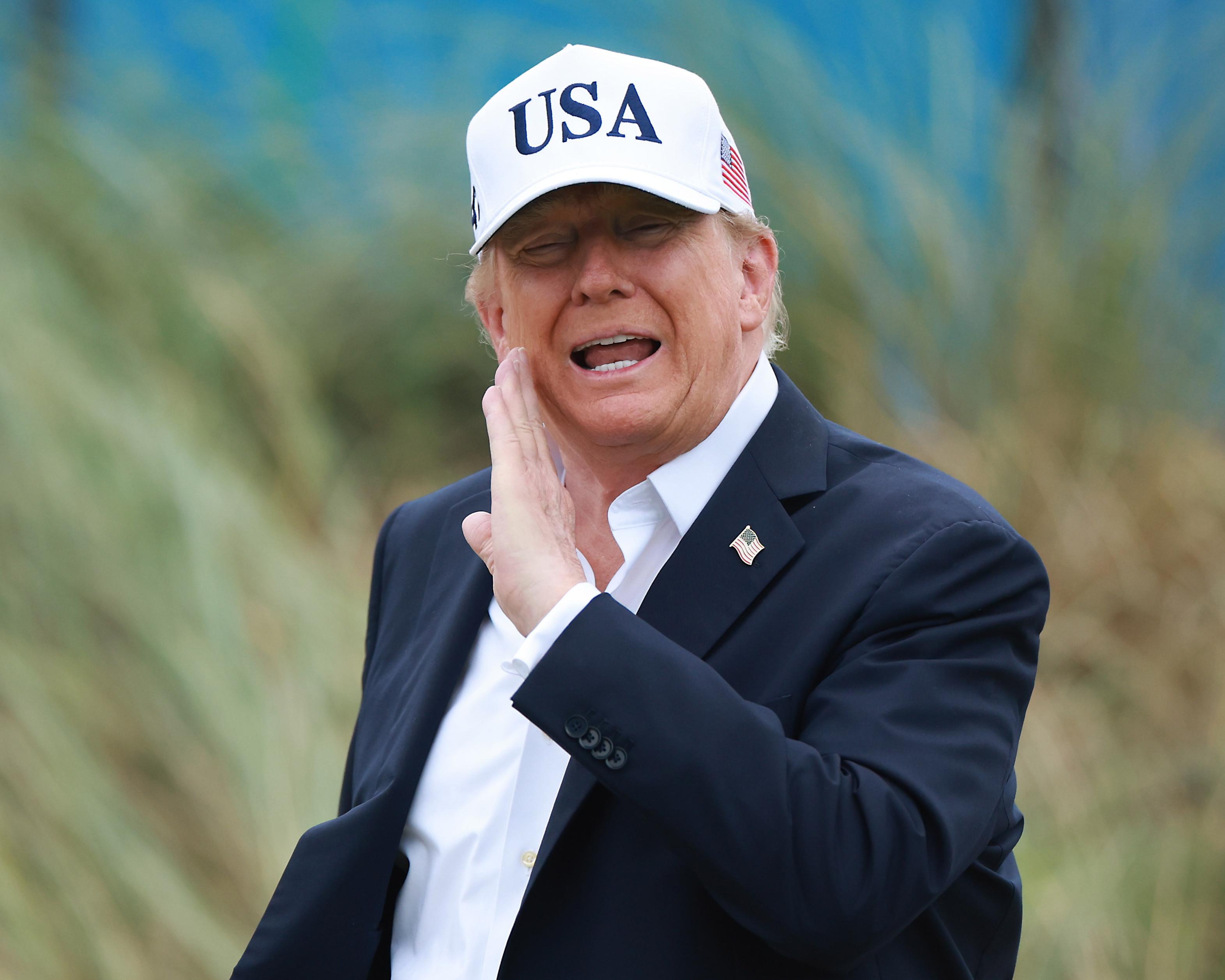
The political landscape is further complicated by international relations and legislative delays. The UK-EU summit, postponed to allow Burnham to finalise agreements on trade and student fees, now requires him to decide on a proposal that could cost the sector over £100m. Additionally, a rift in relations with US President Donald Trump, caused by the previous government’s criticism of US positions during the Iran war, presents a diplomatic test. Burnham must determine whether to heal the transatlantic relationship or distance the UK from the US administration.
Legislative momentum has also shifted, with the next stage of the elections bill postponed to allow the passage of the Hillsborough law. This delay has left several amendments in Burnham’s hands, including proposals for a donations cap, a ban on cryptocurrency donations, and a commission on electoral reform. These changes will serve as an immediate test of the scope of his ambition to reform political processes.