Burnham inherits fiscal constraints and diplomatic friction as new UK PM
Experts warn of limited room for manoeuvre as incoming prime minister prepares to navigate a polarised political landscape and a rightward shift in voter sentiment.
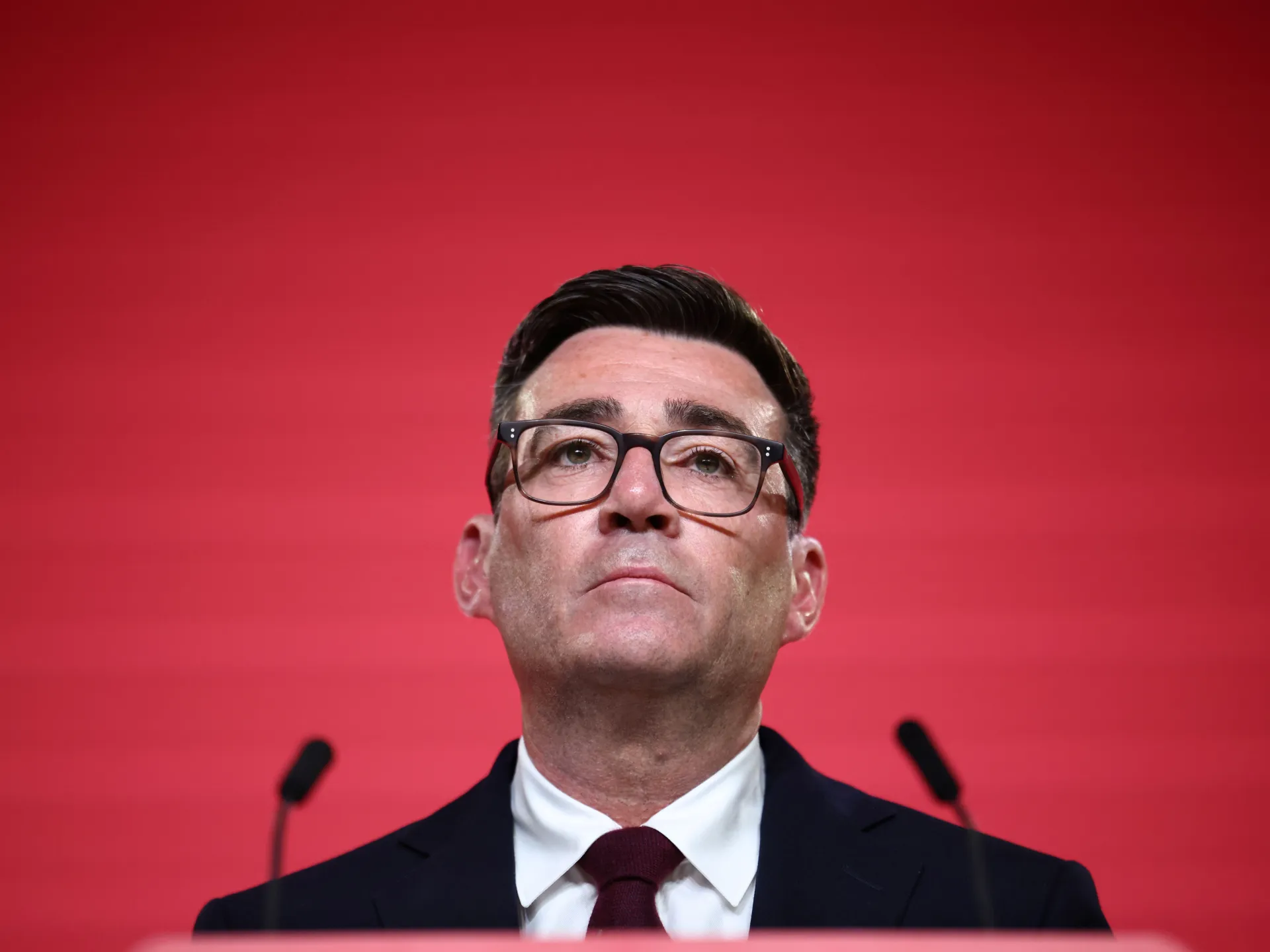
Andy Burnham is set to assume the office of United Kingdom Prime Minister on Monday, succeeding Keir Starmer, who resigned last month. The former Greater Manchester mayor’s rapid ascent follows a by-election victory four weeks prior, marking his transition from local leadership to the nation’s seventh head of government in a decade. However, Burnham inherits a political landscape defined by a stagnant economy, high public debt interest costs, and a significant decline in Labour’s polling numbers relative to the right-wing Reform UK party.
Fiscal experts indicate that the incoming administration has limited room for manoeuvre, with new spending likely requiring taxation rather than borrowing. Anand Menon, director of UK in a Changing Europe, noted that while hypothecated spending such as defence bonds might offer some flexibility, the fiscal situation remains tight. Government spending on debt interest reached approximately 110 billion British pounds in 2025-26, representing eight percent of all public spending, with taxes forecast to reach their highest share of the economy since World War II by the end of the decade.
Diplomatic challenges loom immediately, particularly regarding relations with China following the nationalisation of British Steel’s Scunthorpe works from Chinese owner Jingye Group. The move has strained ties, with Jingye vowing legal action and China’s Ministry of Commerce accusing London of undermining investor confidence. This dispute complicates Burnham’s early tenure, coming after Starmer had made significant efforts to reset bilateral relations.
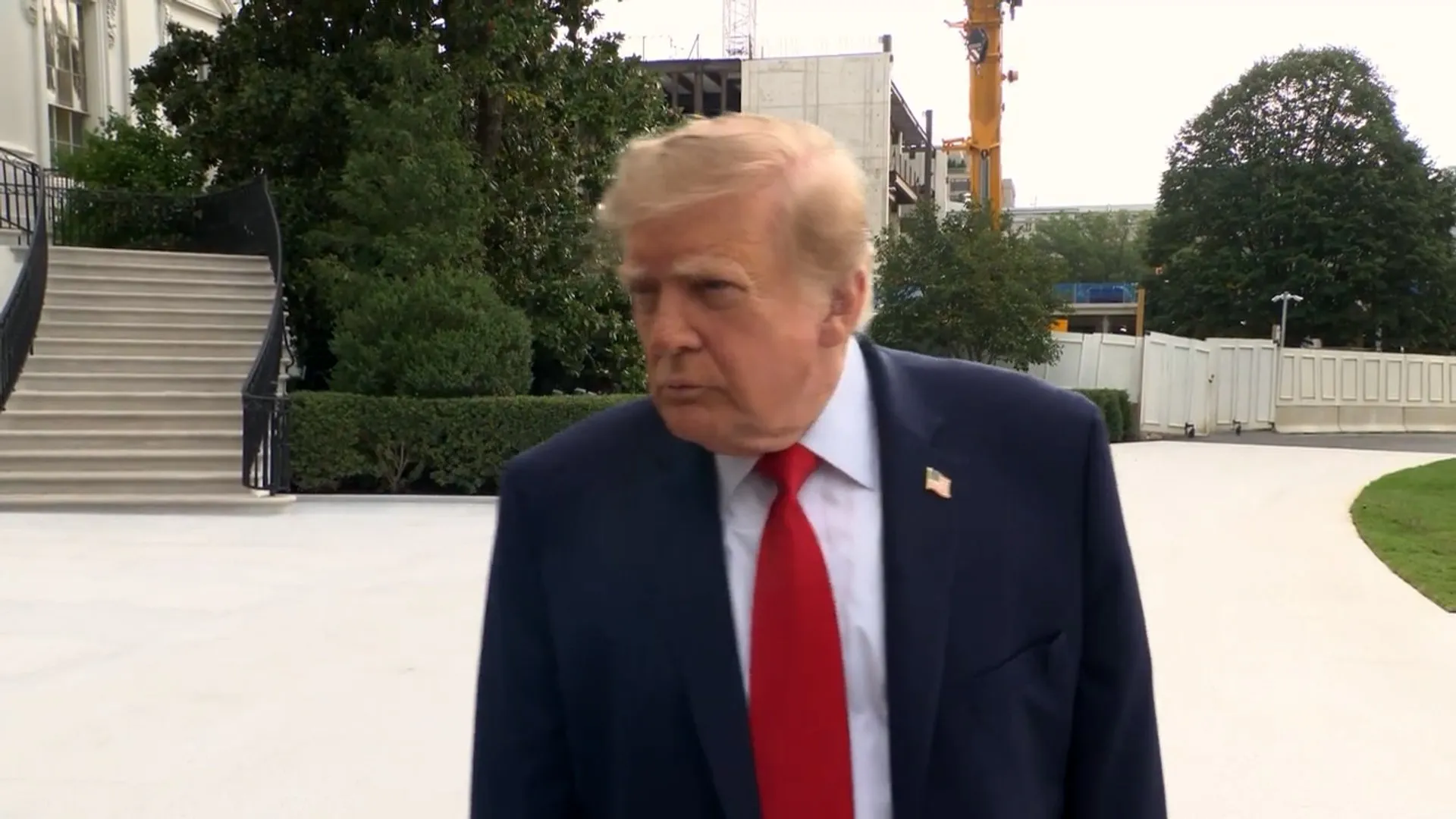
Domestically, reports suggest a policy shift that may prioritise defence spending over welfare, dial down the ‘net zero’ programme, and allow new North Sea oil and gas drilling. While Burnham has historically committed to reversing the loss of 1.5 million council homes since the 1980s, analysts warn that these domestic priorities must be balanced against the need to maintain market confidence. The political context is further complicated by the need to navigate US defence ties under President Donald Trump, with dependence on Washington ruling out any dramatic reconfiguring of British-US relations.
Labour’s vote share has fallen from 12.9 million in 2017 to 9.7 million under Starmer, with Reform UK closing the gap significantly in recent polls. Despite this erosion, tactical voting against Reform remains a potential stabiliser, with experts suggesting that a broad coalition of voters remains willing to oppose the right-wing party. Burnham’s ability to address social polarisation and deliver tangible improvements in living standards will be critical in determining whether this tactical voting holds as the difficulties of government set in.