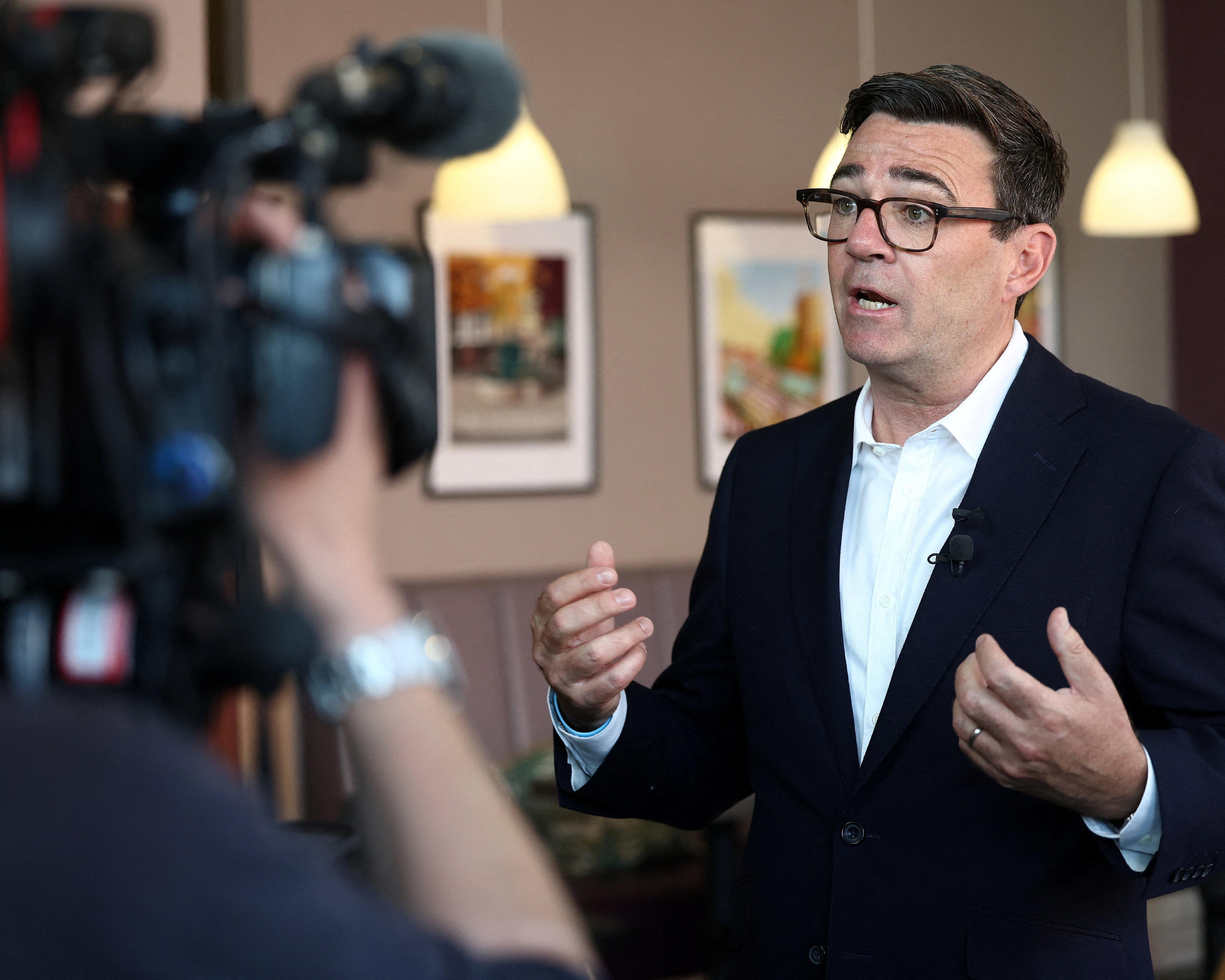
Burnham inaugurates No 10 North in bid to decentralise UK economic governance
The establishment of a Downing Street branch in Heron House marks a structural attempt to rebalance power, though opposition leaders argue the move prioritises regional interests over national challenges.
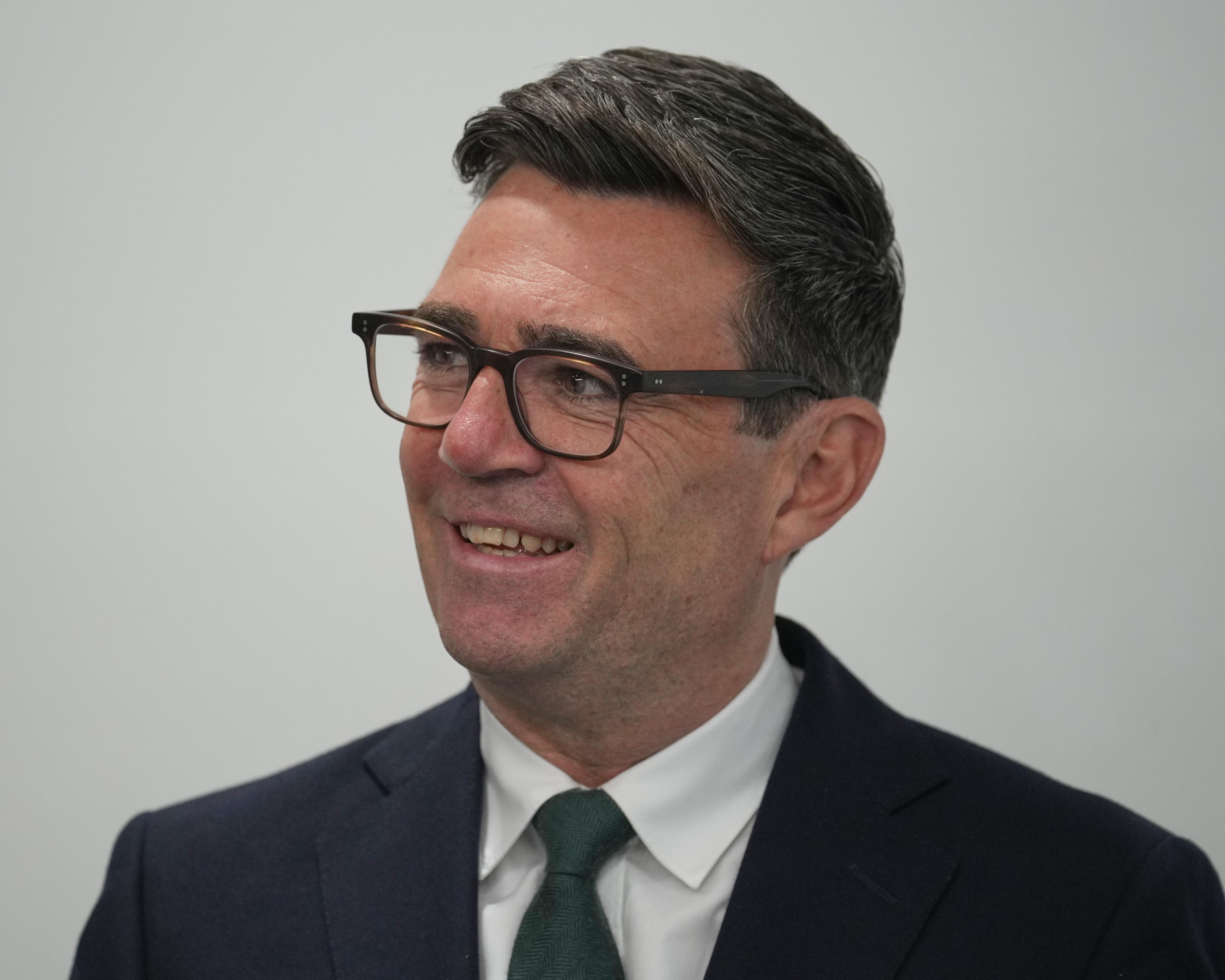
Prime Minister Andy Burnham has held his first working day at No 10 North, a new Downing Street branch located in Heron House in central Manchester. The inauguration coincides with the inaugural meeting of the National Economic Council (NEC), a cabinet committee originally established by former Prime Minister Gordon Brown in 2008 in response to the global financial crash. The initiative aims to shift economic decision-making away from London by bringing together senior ministers and regional mayors within the new northern base.
Burnham described the establishment of the facility as the most significant rebalancing of power in the country’s history. In a statement outlining the government’s strategy, he emphasised that the move is about decentralising authority to those best placed to utilise it. The NEC’s mandate includes accelerating devolution, driving reindustrialisation, and removing barriers to regeneration, specifically citing council housebuilding and public transport infrastructure. The government stated that the office is designed to align Whitehall behind local places rather than obstructing them, with the long-term ambition of achieving equivalent living standards across all UK regions.
The Prime Minister is expected to work from the Manchester office once a week, a schedule intended to bring him closer to his Makerfield constituents and the community where he grew up. The facility will also be utilised regularly by other senior ministers from the north-west, including Deputy Prime Minister Angela Rayner and Education Secretary Lucy Powell. The choice of location places the new administrative hub in the same building as the north-west branch of GCHQ, signalling a convergence of economic and security interests in the region.
Conservative leader Kemi Badenoch has publicly criticised the Prime Minister’s focus on regional devolution, accusing him of governing as though he were still the mayor of Manchester. She argued that the establishment of the Manchester office and the concentration on regional challenges represent a neglect of broader national issues. The opposition’s stance highlights the political tension surrounding the government’s strategy to decentralise power, with critics viewing the move as parochial rather than a coherent national policy.
The restructuring of the NEC’s operational base represents a significant shift in Whitehall’s approach to governance. By physically relocating a key economic committee and establishing a permanent presence in Manchester, the government is attempting to institutionalise the rebalancing of power away from the capital. Whether this structural change translates into tangible economic outcomes across the UK remains a central question for policymakers and observers alike.