Burnham faces labour market headwinds as vacancies halve since 2022
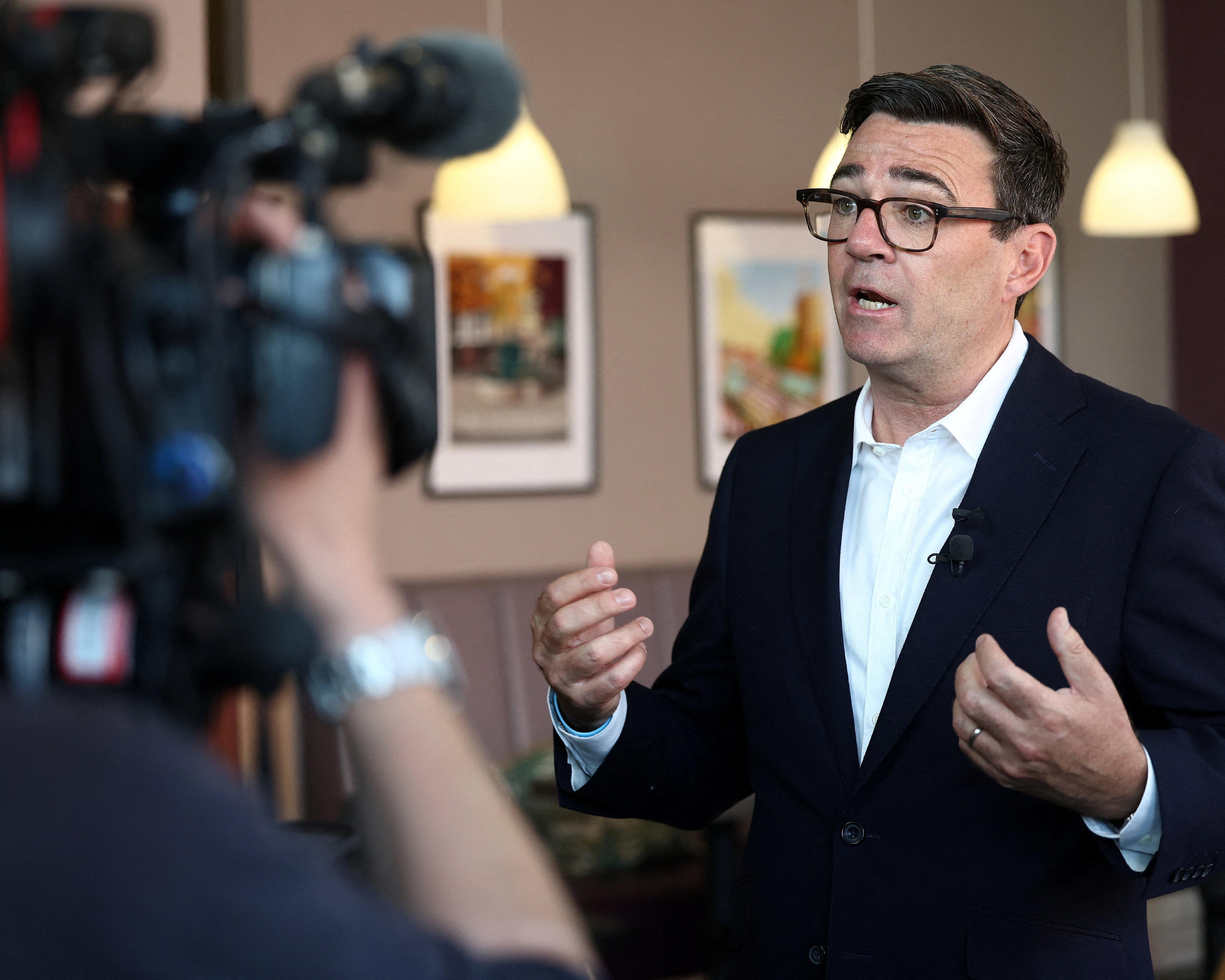
Prime Minister Andy Burnham’s 10-year plan confronts slowing pay growth and cautious hiring as economists warn of rising joblessness.
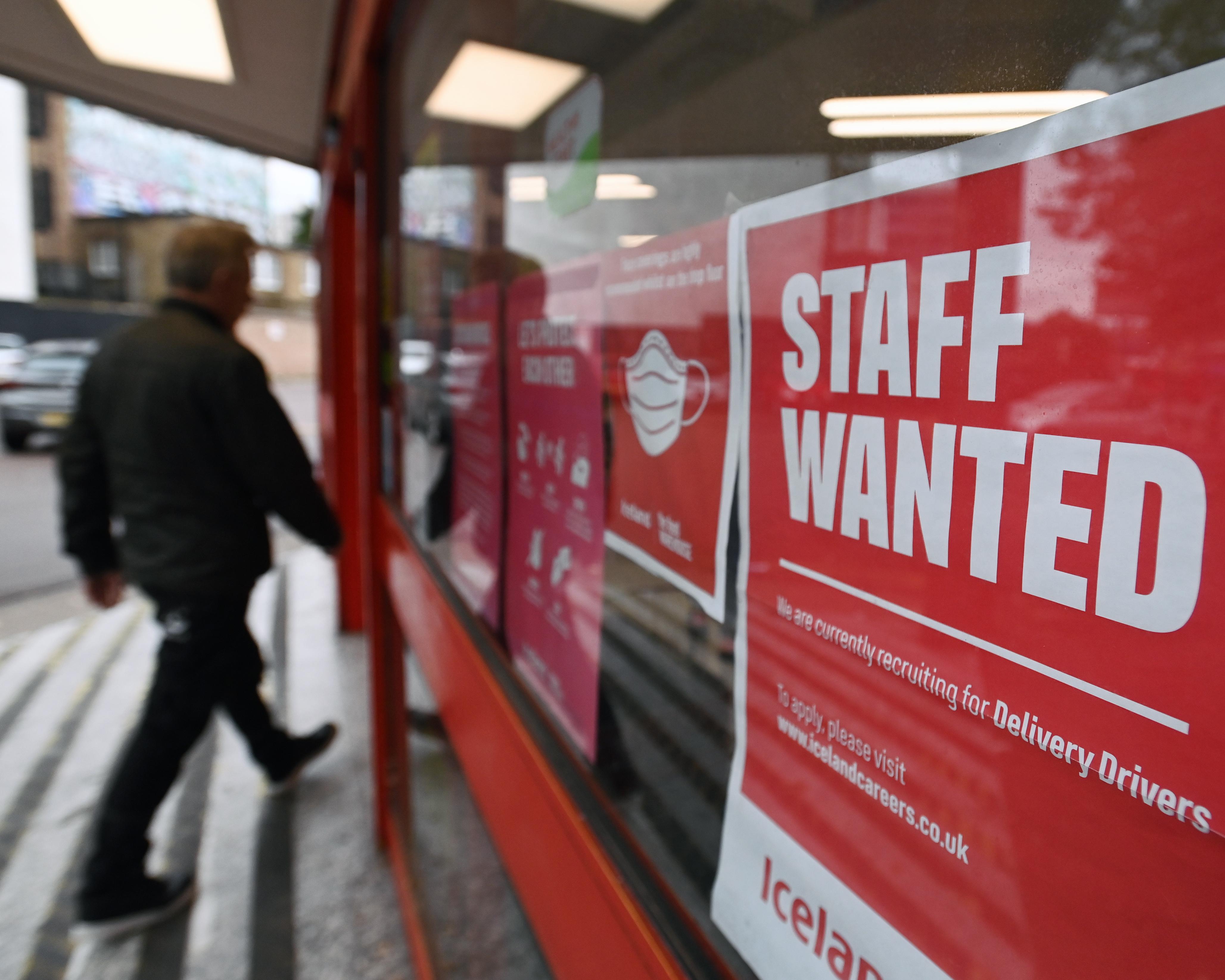
The UK labour market has continued to weaken, with job vacancies falling to 712,000 in the three months to May, according to data released by the Office for National Statistics. The figure represents a decline of nearly half the volume recorded in 2022, highlighting a significant contraction in employer demand for staff.
Unemployment remained steady at 4.9% during the same period, holding firm at the level seen in April. The stability in joblessness, combined with the sharp drop in vacancies, presents a complex economic landscape for Prime Minister Andy Burnham as he attempts to implement his 10-year plan to raise living standards across all regions.
Private sector earnings growth slowed to 2.9%, while average pay including bonuses rose to 4.3%. Both metrics fell short of economists’ forecasts, which had anticipated average pay growth of 4.5% and an unemployment rate increase to 5%. The data suggests that wage pressures are easing, potentially reducing the immediate need for the Bank of England to raise interest rates, despite prior concerns from officials about inflationary pressures from high pay.
Suren Thiru, chief economist at the Institute of Chartered Accountants in England and Wales (ICAEW), described the labour market as fragile. He attributed the weakening conditions to soaring employment taxes, onerous regulation, and economic turbulence linked to the conflict in the Middle East. Thiru warned that these factors are limiting recruitment and could lead to a noticeable rise in unemployment as cost pressures inhibit hiring.
The current figures follow a two-year trend of labour market deterioration. Unemployment rose from a low of 3.6% in the summer of 2022, peaking at 5.2% last year before dipping slightly following the autumn budget. The recent economic uncertainty has been compounded by geopolitical events, including Donald Trump’s attack on Iran, which has contributed to a fragile outlook for businesses and jobseekers alike.