Burnham declares UK a ‘cost-of-living government’ amid policy pivot
Andy Burnham’s first cabinet meeting signals a decisive shift away from the previous administration’s digital ID mandate, replacing it with an immediate focus on energy tax cuts and fiscal restraint.
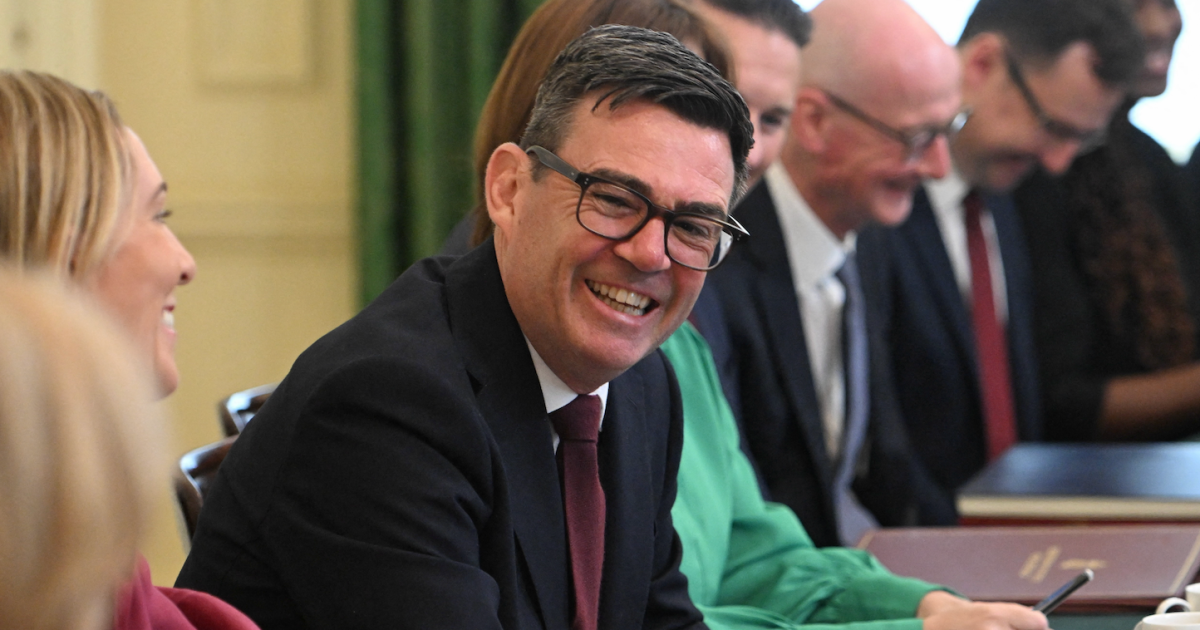
UK Prime Minister Andy Burnham convened his first cabinet meeting on July 21, 2026, issuing a direct instruction to ministers to prioritise addressing the cost of living. During the inaugural session, Burnham declared the necessity of establishing a "cost-of-living government," marking the new administration's primary policy focus on alleviating household financial pressures.
The directive follows the unveiling of an energy tax cut on Burnham’s first full day in office, representing an immediate shift in economic strategy. While the specific details regarding the percentage reduction, duration, or target beneficiaries of the tax cut have not been released, the move signals a clear intent to intervene directly in energy costs for consumers.
Concurrently, the government has formally abandoned the previous administration’s mandatory digital ID scheme. The decision comes after the proposal faced substantial public opposition, evidenced by a parliamentary petition that garnered close to 3 million signatures, making it the second-largest public parliamentary petition on record.
Questions regarding the financial viability of the digital ID scheme also contributed to its cancellation. The estimated cost of the programme was £1.8 billion ($2.4 billion) over three years, with allegations that the necessary funding was never actually allocated. The formal rejection of the scheme underscores Burnham’s stated commitment to fiscal discipline.
Burnham’s early directives outline a governance model centred on tangible economic relief rather than administrative expansion. By coupling the energy tax cut with the scrapping of the costly digital ID initiative, the prime minister is attempting to redefine the government’s institutional priorities within its first week in office.