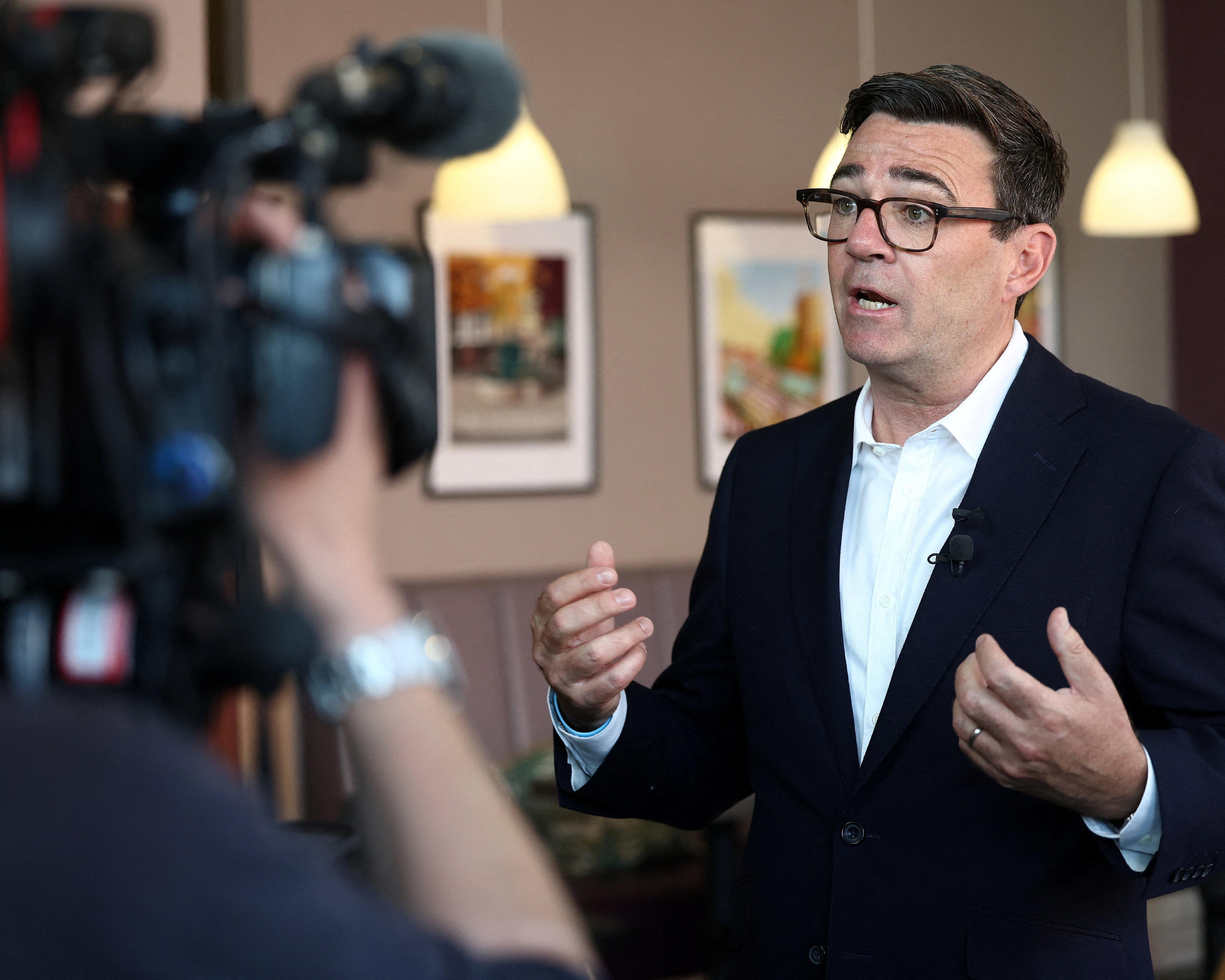
Burnham declares ‘cost of living government’ amid funding scrutiny
Andy Burnham instructs ministers to explore all methods to reduce household expenses, while Chancellor John Healey prepares for a budget constrained by strict fiscal rules.
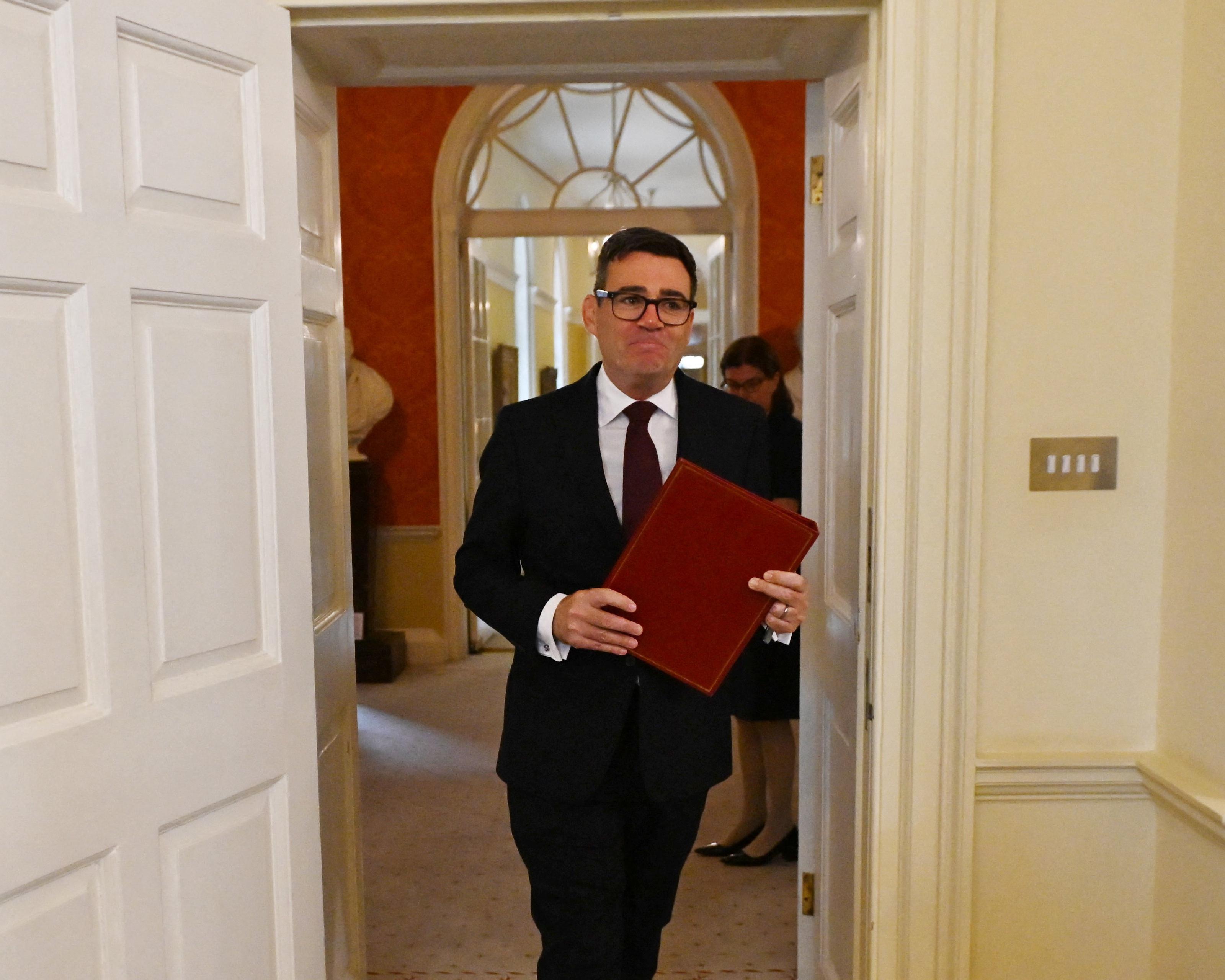
New UK Prime Minister Andy Burnham has instructed his cabinet to examine “all possible ways” to tackle the cost of living crisis, declaring his administration a “cost of living government” on his first full day in office. Gathering ministers at Downing Street, Burnham prioritised reducing household expenses within existing borrowing rules, asking colleagues to identify both significant and minor measures to ease financial pressure on voters.
The Prime Minister announced the removal of VAT from electricity bills starting 1 October, a policy expected to reduce the electricity price cap by £45 and cost £850m next year. Burnham stated the measure was funded by scrapping the government’s digital ID scheme, a justification that drew immediate scepticism from Darren Jones, the minister previously responsible for the policy. Jones noted on social media that the digital ID program was “unfunded,” prompting Downing Street to clarify that while the tax cut is funded for the current financial year, future costs must be absorbed by existing departmental budgets.
Amidst this fiscal tightening, Chancellor John Healey is developing longer-term plans for a budget later this year. Healey, who resigned as defence secretary last month, has ruled out using higher borrowing to fund an expected uplift in defence spending. Burnham’s administration also abandoned nascent plans to raise the income tax threshold, citing manifesto constraints and the need to demonstrate fiscal discipline, despite the issue being a prominent topic during the recent Makerfield byelection.
In a major shift to Whitehall’s structure, Burnham announced the creation of a new Office for the Prime Minister and the Cabinet, with responsibility for the UK’s growth strategy handed to the new No 10 North. Louise Haigh, Burnham’s de facto deputy prime minister, will oversee this new body. The government is also encouraging civil servants working on growth initiatives to relocate to Manchester, offering relocation packages to support the administrative decentralisation.
Looking ahead, sources indicate Burnham is preparing a major social care announcement in the coming weeks. This involves accelerating the review by Louise Casey, who is now expected to report as soon as next year rather than 2028. The review will explore options for a national care service, including models funded by taxes or social insurance, though officials acknowledge that any new funding mechanism risks political backlash similar to previous proposals.