Burnham decentralises government operations to Manchester amid fiscal devolution scepticism
Prime Minister Andy Burnham has relocated key policy functions to Manchester, but critics and devolved leaders warn that without transfer of tax powers, the move remains symbolic.
UK Prime Minister Andy Burnham has initiated the relocation of devolution and local growth policy functions from London to Manchester, establishing a new operational hub known as "Number 10 North". The move, confirmed by Baroness Smith of Basildon on July 21, 2026, involves civil servants working within a restructured Office for the Prime Minister and the Cabinet, led by Cabinet Secretary Dame Antonia Romeo. The interim headquarters is situated at Heron House in the New Islington area, chosen for its proximity to a planned Manchester Digital Campus.
Burnham intends to work from Manchester at least one day a week, although officials note his schedule may vary. Caroline Simpson, the outgoing chief executive of the Greater Manchester Combined Authority, has been appointed as Burnham’s deputy chief of staff to oversee day-to-day office operations. Downing Street insists the arrangement carries no additional cost to taxpayers, framing the initiative as a structural shift rather than a financial burden.
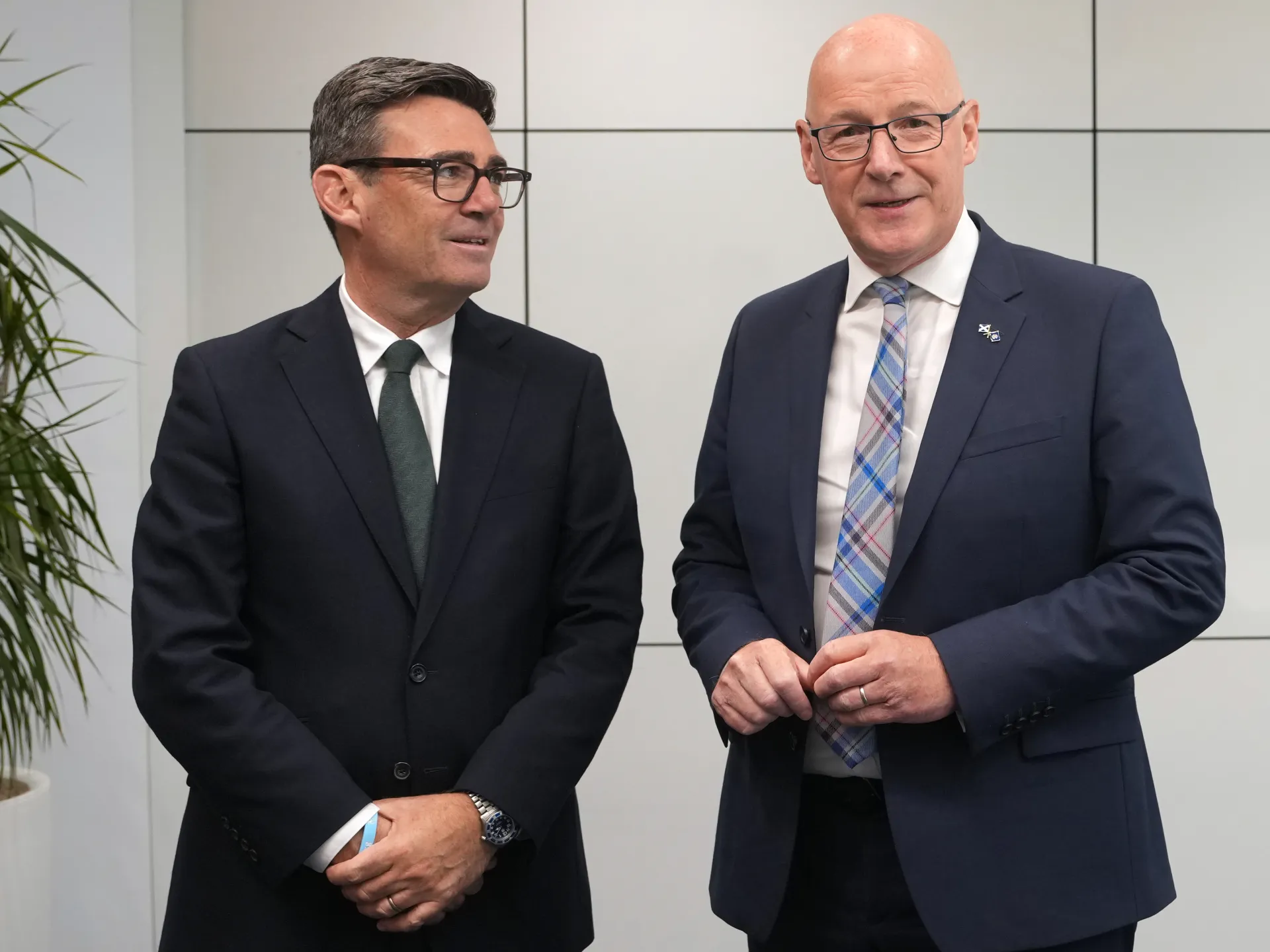
The announcement coincides with Burnham’s first meetings with Scottish First Minister John Swinney and Welsh First Minister Rhun ap Iorwerth in Glasgow. During these talks, Burnham emphasised national growth but explicitly excluded discussion of a second Scottish independence referendum. A meeting with Northern Ireland’s First and Deputy First Ministers is scheduled for August as part of a wider UK tour.
Critics and devolved leaders argue that without fiscal devolution and increased funding, the relocation is merely symbolic and does not address the UK's highly centralised tax system. The UK remains the most fiscally centralised country in the G7, with approximately 95 percent of tax revenue flowing to Whitehall. While the 2026 English Devolution and Community Empowerment Act has expanded mayoral control over transport, planning, and housing, fiscal powers remain pending a separate Treasury "roadmap" due with the autumn budget.
Welsh First Minister Rhun ap Iorwerth pressed for a new Wales Bill granting policing and justice powers, and a replacement for the Barnett Formula to ensure funding parity with Scotland. Conservative leader Kemi Badenoch criticised the focus on regional devolution, accusing Burnham of governing as though he were still mayor of Manchester. The Prime Minister’s administration maintains that the move establishes the necessary institutional architecture for a rewired Britain, though independent analysts warn that genuine devolution requires the transfer of spending and taxation powers, not just relocated functions.