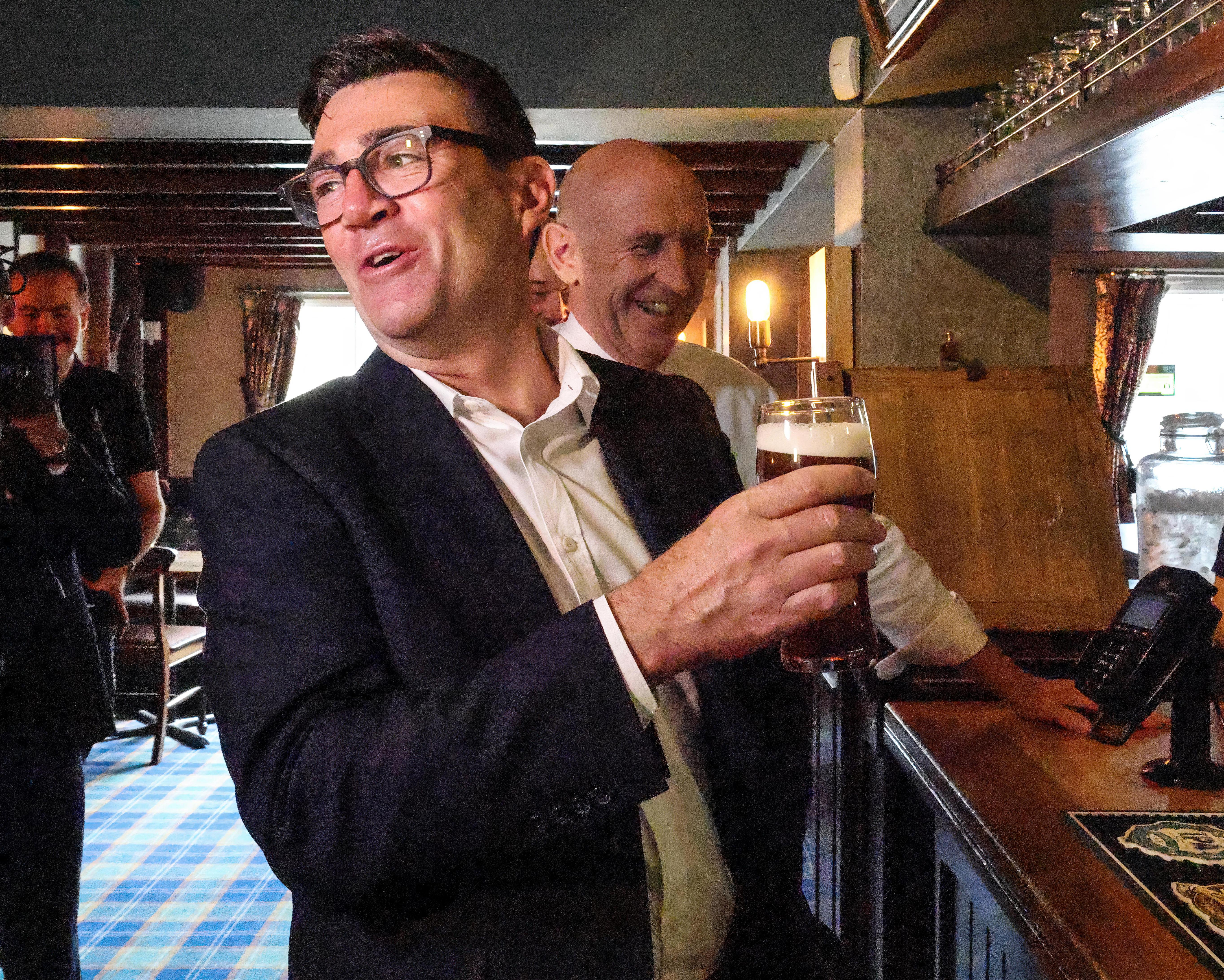
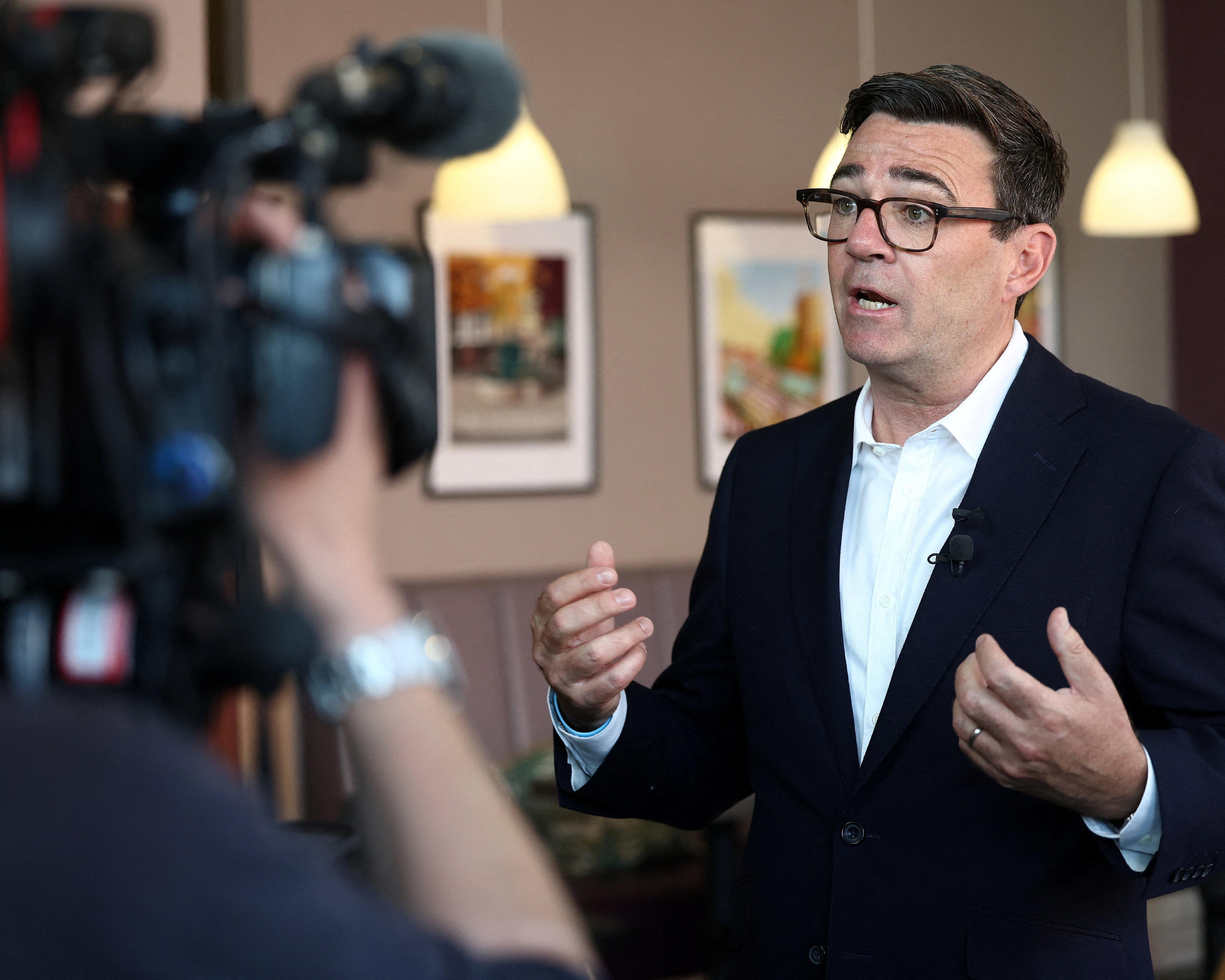
Burnham assumes UK premiership amid fiscal constraints and global scrutiny
International leaders have issued congratulations to Andy Burnham, but global media analysis highlights the immense challenges of governing within strict fiscal rules and addressing social instability.
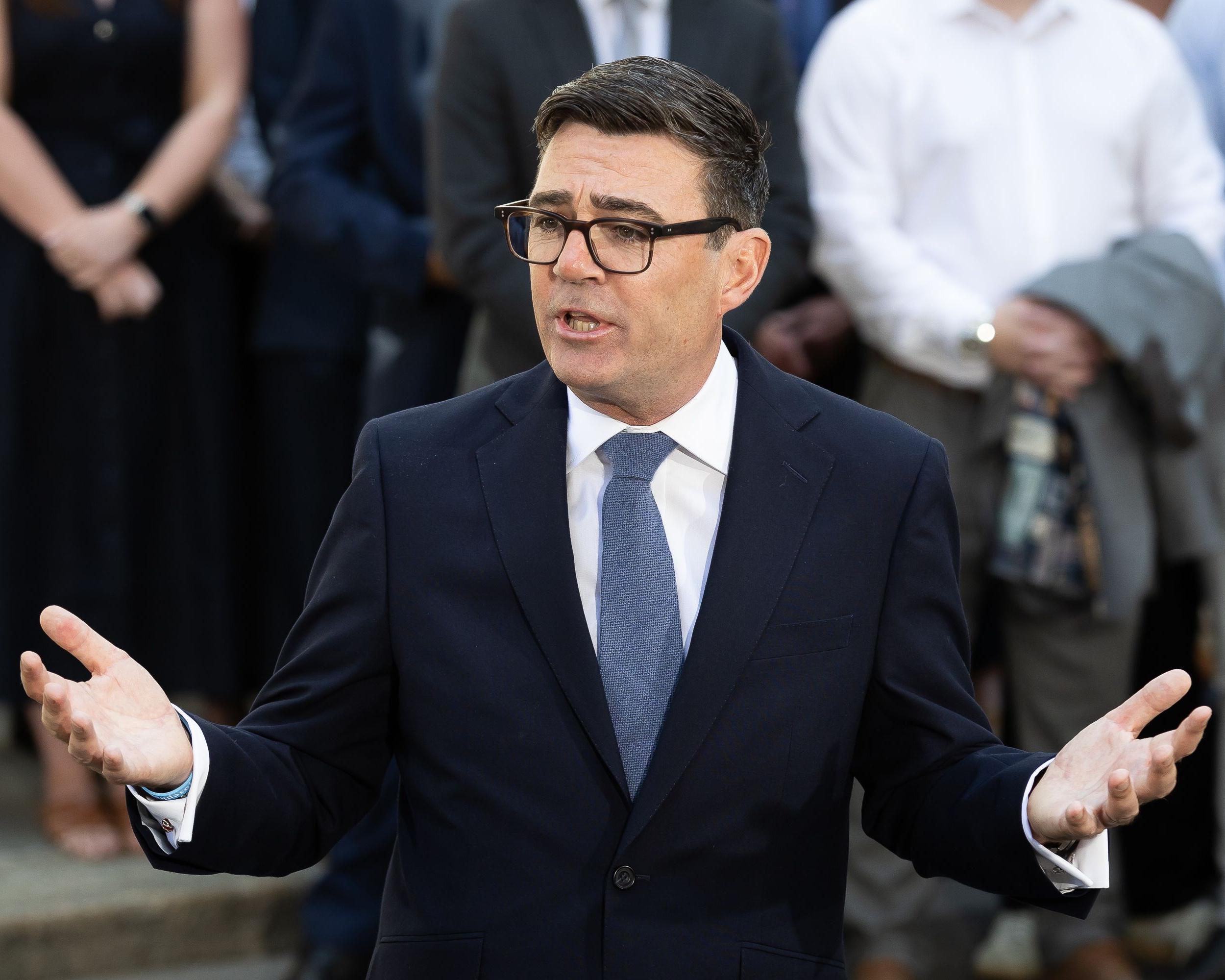
Andy Burnham has been appointed as Britain’s seventh prime minister in a decade, succeeding Keir Starmer at 10 Downing Street. The transition has drawn immediate diplomatic engagement from world leaders, including French President Emmanuel Macron, German Chancellor Friedrich Merz, European Commission President Ursula von der Leyen, Italian Prime Minister Giorgia Meloni, US President Donald Trump, Ukrainian President Volodymyr Zelenskyy, and Australian Prime Minister Anthony Albanese.
Macron expressed a desire for a deeper relationship between the UK and the EU, aiming to rekindle the partnership established by Starmer. Chancellor Merz, who held a telephone conversation with Burnham regarding continued support for Ukraine, described Germany and the UK as close partners. Von der Leyen echoed this sentiment, noting a common commitment to bringing the EU and UK closer together following what she termed a very good first discussion.
Despite the diplomatic cordiality, international media coverage has focused heavily on the scale of the challenges facing the new administration. The Irish Times noted that while Burnham may offer a change in tone, the structural issues that contributed to the fall of the previous government remain. These include a budget unable to meet demand in defence, housing, welfare, and care for the aged. The publication observed that the new prime minister appears hamstrung by a commitment to abide by strict fiscal rules, despite left-leaning instincts, and is attempting to govern from the centre.
Italian newspaper Corriere della Sera offered a more critical perspective, suggesting that Burnham’s focus on nationalisation and reindustrialisation reflects a backward-looking policy direction. The paper argued that the UK appears incapable of planning for the future, preferring a refuge in a pre-Thatcher era characterised by energy rationing and IMF bailouts. Meanwhile, New York Times essayist Tom Hazeldine characterised Burnham as a career Blairite with a northern soul, suggesting the appointment represents more of the same rather than a significant departure from established political norms.
Outside of Europe, the diplomatic response highlighted specific areas of bilateral interest. President Trump, who had previously criticised Burnham’s political stance, described their conversation on topics including North Sea oil as interesting and well-received. He posted on Truth Social that the US would be there to help, wishing the new prime minister good luck and godspeed. Australian Prime Minister Anthony Albanese emphasised the longstanding friendship between the two nations, expressing a desire to strengthen ties in security, resilience, and prosperity. Zelenskyy reaffirmed Ukraine’s readiness to work with the UK in all possible formats, describing the bilateral relationship as stronger than ever.