Burnham assumes UK premiership amid cabinet purge and policy pivot
Andy Burnham has formally taken office as the United Kingdom’s prime minister, succeeding Keir Starmer following his resignation. The new administration has immediately initiated a significant cabinet reshuffle, removing key allies of the previous government while pledging a 10-year strategy to address economic instability and re-industrialise the national economy.
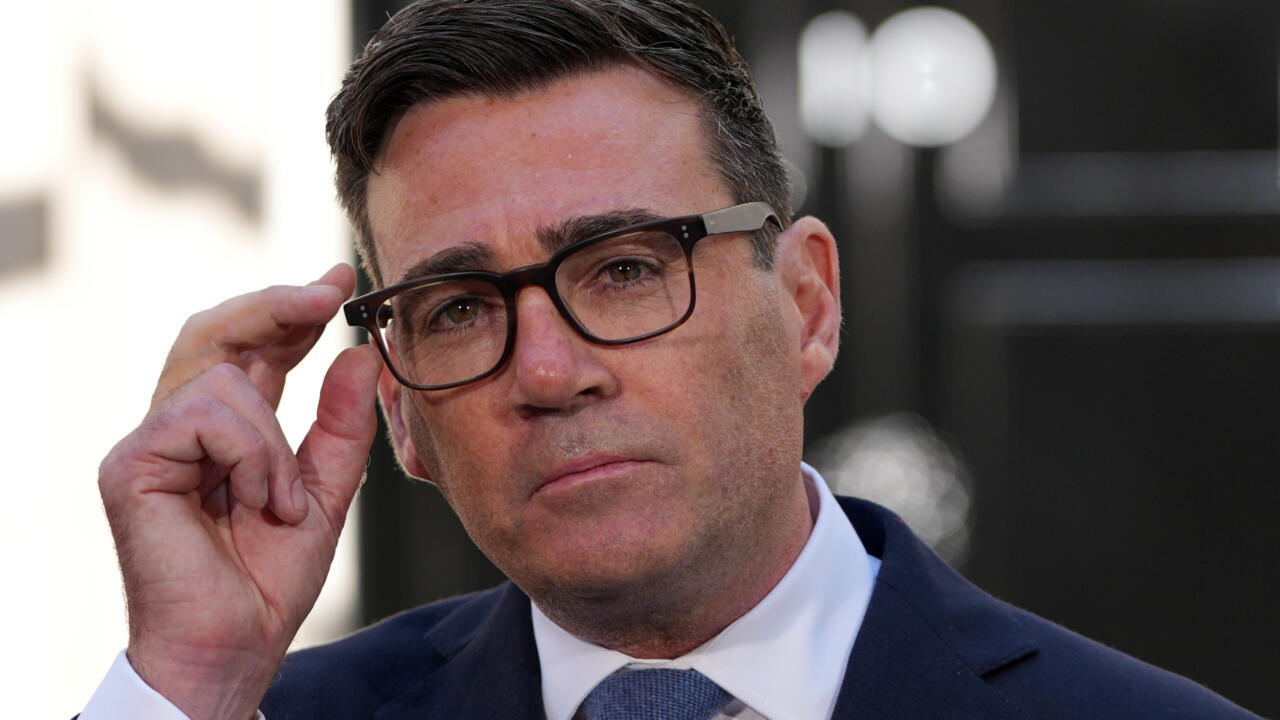
Andy Burnham, 56, formally assumed the role of prime minister after meeting King Charles III at Buckingham Palace, becoming the monarch’s fourth head of government since acceding to the throne in 2022. The appointment marks the seventh change in leadership for Britain in just over a decade, following the resignation of Keir Starmer. Upon arriving at Downing Street, Burnham was greeted by supporters and vowed to establish a new political model, emphasising the need to regain stability after a period characterised by scandals and policy reversals under the previous administration.
In his first major administrative act, Burnham completed a substantial cabinet reshuffle, removing several loyalists from Starmer’s government, including former finance minister Rachel Reeves and foreign secretary David Lammy. John Healey has been appointed as finance minister, Ed Miliband as foreign minister, and Wes Streeting as defence minister. Angela Rayner has returned to the government, while Shabana Mahmood was reappointed as interior minister to continue reforms to the asylum system. The changes signal a decisive break from the previous leadership’s composition and policy direction.
Burnham has pledged a 10-year plan aimed at addressing cost-of-living pressures, re-industrialising the economy, and ending rough sleeping. He stated that the government would decentralise power away from Westminster and place life’s essentials under stronger public control to ensure affordability. The prime minister indicated that specific measures to provide breathing space for households would be announced shortly, building on his previous attempts to tackle homelessness as mayor of Greater Manchester.
Immediately after taking office, Burnham held diplomatic calls with US President Donald Trump and Ukrainian President Volodymyr Zelensky. He reaffirmed Britain’s commitment to defence and security, with Trump noting discussions on trade, military cooperation, and demining the Strait of Hormuz. Burnham also reiterated support for Ukraine in its defence against Russia’s invasion. French President Emmanuel Macron sent congratulations, urging the new prime minister to give new momentum to the partnership with the European Union.
The appointment has drawn scrutiny from opposition politicians, who have questioned Burnham’s mandate and called for a snap election, citing that he assumed leadership without a contest. Burnham faces significant economic challenges, including a tepid economy, high government borrowing costs, and a ballooning welfare bill. Despite these hurdles, he has positioned himself as a stabilising figure capable of reining in support for the hard-right Reform UK party, leveraging Labour’s substantial parliamentary majority to implement his agenda.