Burnham appoints Healey as chancellor amid fiscal constraints and party unity mandate
Prime Minister Andy Burnham has selected John Healey for the exchequer, tasking him with funding major policy shifts while navigating a constrained fiscal framework and a fractured Labour Party.
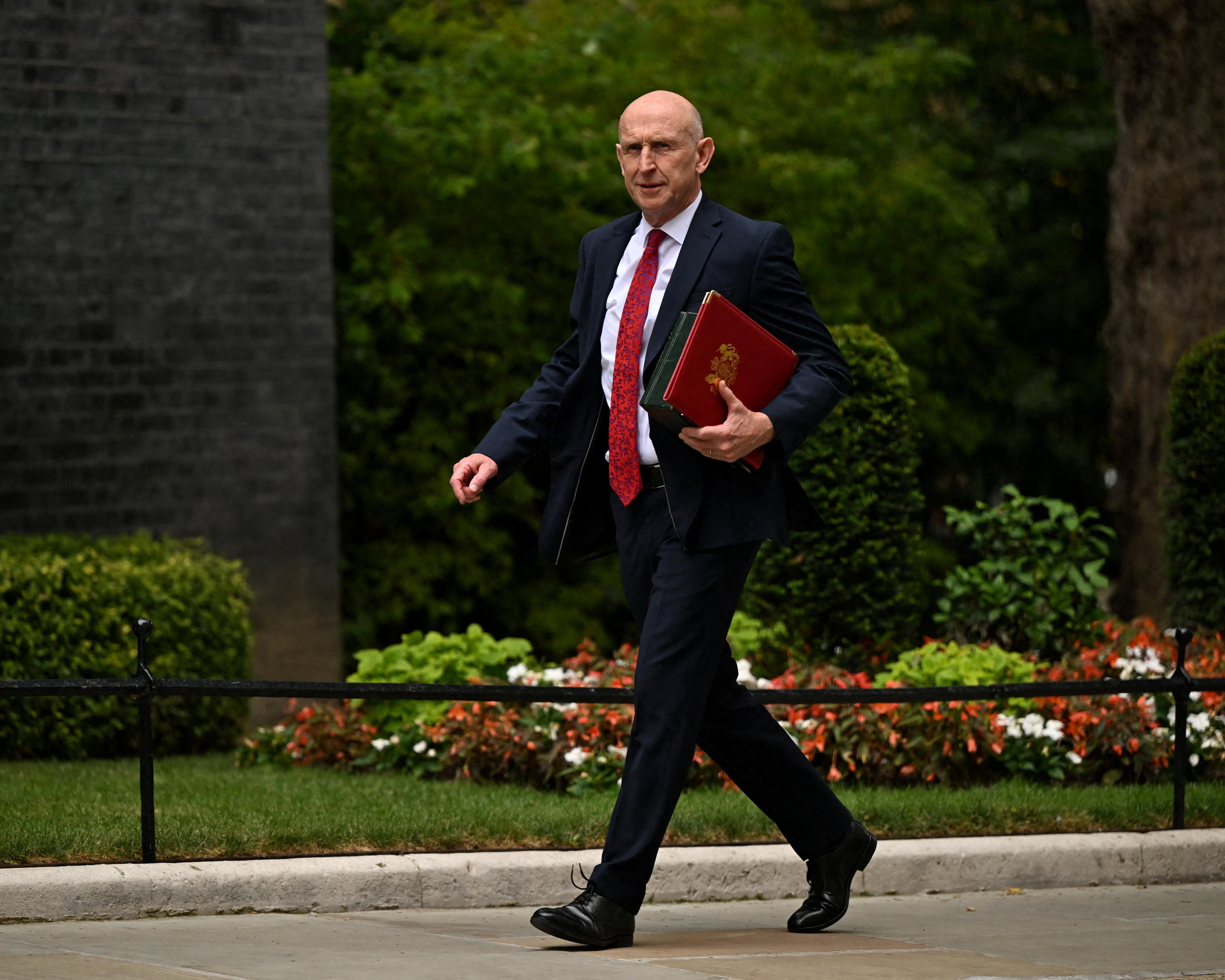
Prime Minister Andy Burnham has appointed John Healey as chancellor of the exchequer, selecting the defence secretary as his unexpected choice for the Treasury. Healey succeeds Rachel Reeves and is tasked with securing funding for the prime minister’s policy agenda, which includes higher defence spending, the public control of utilities, and measures to reduce living costs. The appointment places Healey within a strict fiscal framework that prohibits increases to income tax, value-added tax, or national insurance, while requiring adherence to the previous government’s borrowing rules.
Healey’s selection is viewed as a strategic move to stabilise a fractured Labour Party. Since entering parliament in 1997, he has maintained a reputation for avoiding factional alignment, earning respect from both the Blairite camp and the soft left. Allies cite his diligence and personal warmth as key assets, noting that he is seen as a unifying figure who can manage departmental budget disputes without alienating markets or parliamentary colleagues. His approach to governance is characterised by a commitment to community engagement and a willingness to involve junior staff in policy discussions.
The chancellor faces significant challenges in balancing ideological ambitions with fiscal discipline. A previous dispute during his tenure as defence secretary, where he requested an additional £28bn for the Defence Investment Plan, resulted in his resignation in protest. While some sources suggest this resignation was part of a deal to secure the chancellorship, others argue it demonstrated a willingness to prioritise spending commitments over strict fiscal adherence. His replacement at the Ministry of Defence, Wes Streeting, indicated that such additional funding would likely require cuts in other government departments.
Labour officials have drawn comparisons between this appointment and Gordon Brown’s selection of Alistair Darling, warning that Healey may possess independent views that do not always align with the prime minister’s wishes. Burnham is advised to avoid treating his most senior minister as a mere factotum, as the chancellor’s ideological drive may lead to friction when policy dilemmas arise. The appointment is considered one of the most critical decisions made by Burnham on his first day in Downing Street.
Healey’s extensive experience in the Treasury under former chancellor Gordon Brown, combined with his recent role in defence, positions him to make tough decisions regarding departmental budgets. However, his ability to adjudicate between competing interests will be tested as he navigates the constraints of his new role. The chancellor must now determine whether to loosen purse strings in response to policy demands or maintain the fiscal discipline established by his predecessor, a decision that could impact his standing within the parliamentary Labour party.