Burnham administration unveils £850m electricity VAT cut to ease cost of living pressures
Critics argue the measure disproportionately aids high-energy users while energy debt hits record highs
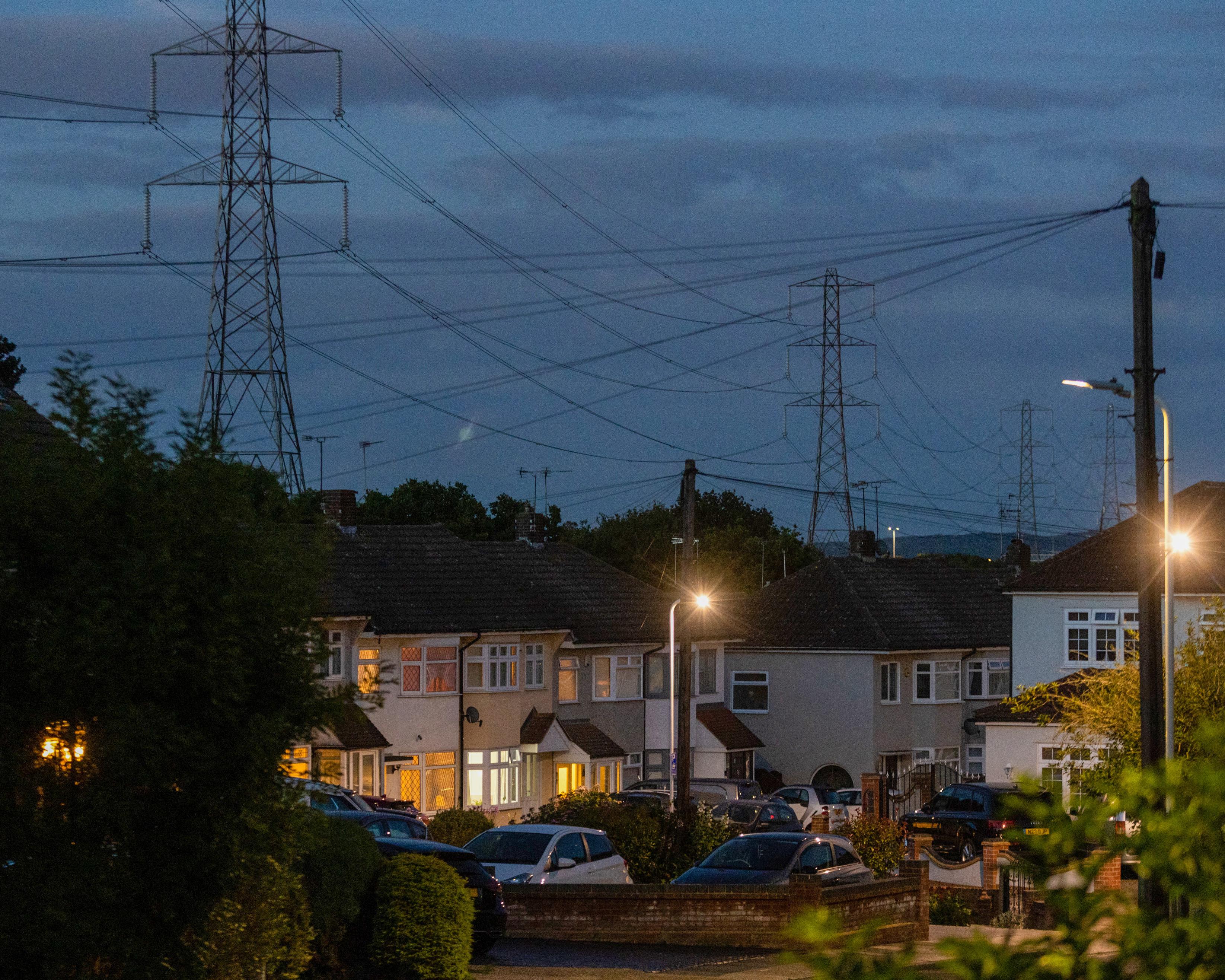
New Prime Minister Andy Burnham has announced an immediate reduction in Value Added Tax (VAT) on household electricity bills in Great Britain, marking the first of a series of cost-of-living measures introduced by the incoming administration. The policy, which removes the standard 5% VAT charge on electricity usage for six months, takes effect on 1 October, coinciding with the implementation of Ofgem’s new energy price cap. The Treasury estimates the initiative will cost £850 million, with the government projecting a reduction of approximately £45 in the annual price cap for a typical household.
The decision was unveiled on the Prime Minister’s second day in office, ahead of the first cabinet meeting, positioning the alleviation of household financial strain as a primary priority for the new government. The timing is designed to mitigate the impact of winter months, which typically see the highest energy consumption. The cut applies to both fixed-rate and standard variable tariffs, although the net saving may vary depending on whether unit prices rise in line with the new price cap.
However, the policy does not apply uniformly across the entire United Kingdom. Due to post-Brexit trade arrangements requiring adherence to EU VAT rates, Northern Ireland is excluded from the cut. Instead, the Stormont government will receive separate funding to provide equivalent support for households in the region, ensuring parity in assistance despite the differing tax frameworks.
Critics, including the Institute for Fiscal Studies (IFS), have raised concerns regarding the targeting of the relief. The IFS notes that the cut disproportionately benefits high-energy users and those with electric heating, rather than those in debt. While the thinktank acknowledges that the cut represents a larger share of spending for low-income households, it argues that in cash terms, the cost falls more heavily on higher-income households who consume more electricity. This comes as energy debt reaches a record high of £5.5 billion, according to industry trade association Energy UK.
Energy sector advocates have framed the move as a strategic push toward clean energy adoption. Camilla Born of Electrify Britain stated that the policy signals a priority to shift Britain toward homegrown clean power, making electric vehicles and heat pumps more affordable relative to gas. Conversely, charities such as National Energy Action warn that the measure offers limited relief to low-income households reliant on gas heating, urging the government to prioritise debt relief schemes for those struggling with existing arrears.