Burke cancels press speech as Labor grapples with immigration pressure
Home Affairs Minister Tony Burke’s withdrawal from a scheduled National Press Club address highlights the difficulty the government faces in balancing party unity with voter concerns in suburban and regional seats.
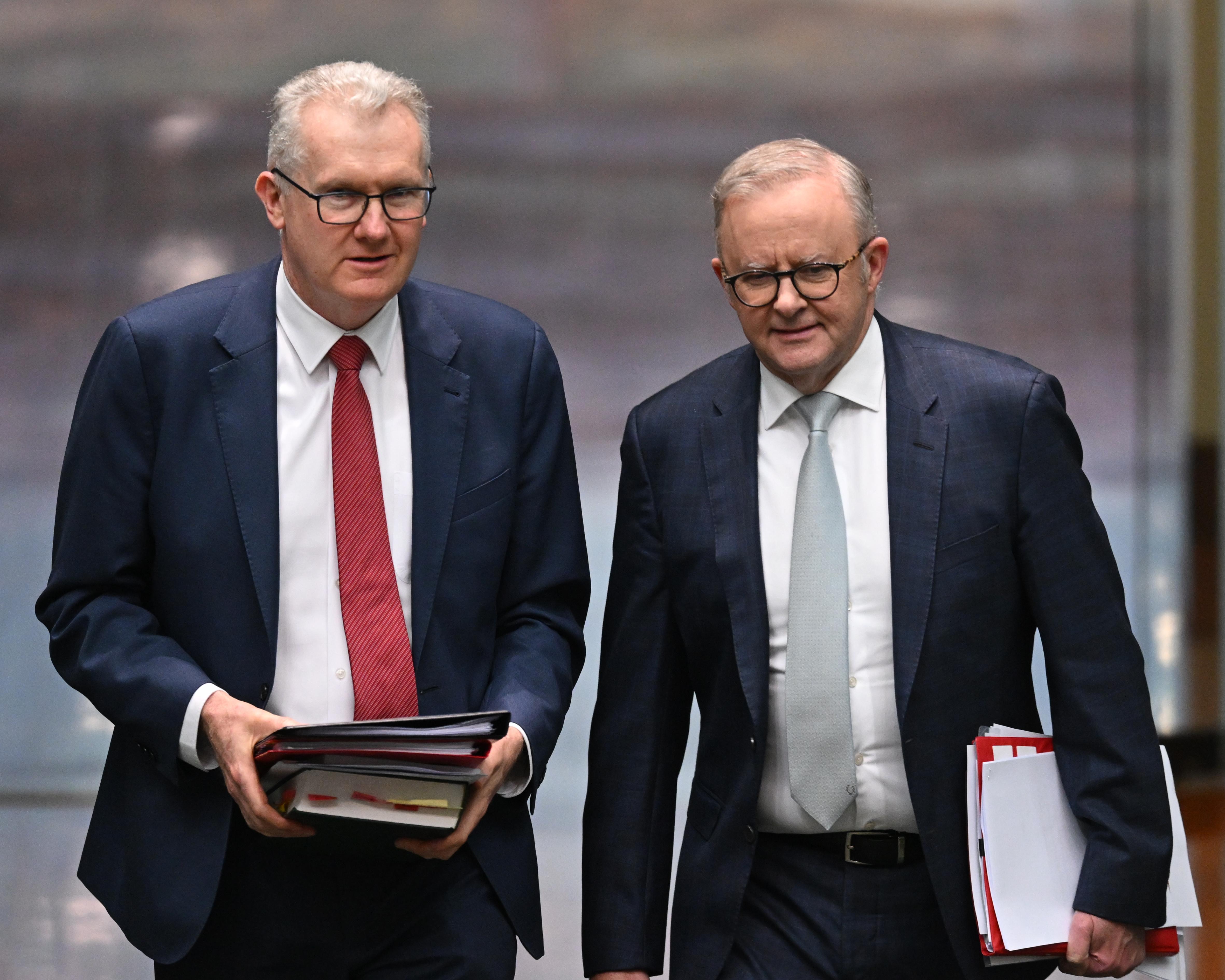
The Albanese government is navigating significant political pressure regarding immigration policy as it seeks to retain suburban and regional seats. This pressure stems from strong polling for One Nation, which explicitly blames immigration levels for national issues, and the Coalition’s adoption of similar anti-immigration rhetoric. Internal divisions within the cabinet are evident, highlighted by Home Affairs Minister Tony Burke’s withdrawal from a scheduled National Press Club speech intended to announce new policy.
Home Affairs Minister Tony Burke withdrew from the National Press Club event this month, having previously intended to announce new immigration policy. The cancellation suggests that the issue presents an unusually difficult challenge for the government, which places party unity before most other considerations. Despite this priority, there is more than one opinion within the cabinet about how to handle the policy.
One Nation is attracting three in ten voters in some polling, explicitly blaming immigration levels for the country’s problems. To meet the One Nation challenge, the Coalition is adopting anti-immigration rhetoric and policies. The Albanese government has recognised the danger of reinforcing the impression that it is a party of high immigration and careless border administration.
Historically, Labor has held conflicting views on immigration, shifting from early support for restrictive policies, including the White Australia policy, to post-war expansion to meet national security and labour needs. Post-war immigration was initially framed as British but included many non-British Europeans, leading to a gradual diversification of the intake despite some initial hostility.
Labor currently faces a perception among some voters as a party of high immigration and metropolitan progressives, potentially out of touch with working-class concerns. The path chosen by the government on this issue is expected to define the party's identity for years to come, with the long-term impact on the Labor Party’s identity remaining speculative and dependent on future government actions.