Buganda’s monarchy endures within Uganda’s constitutional order
Restored in 1993, Buganda retains its Kabaka and cultural institutions but cannot exercise the powers of the Ugandan state or take part in partisan politics.
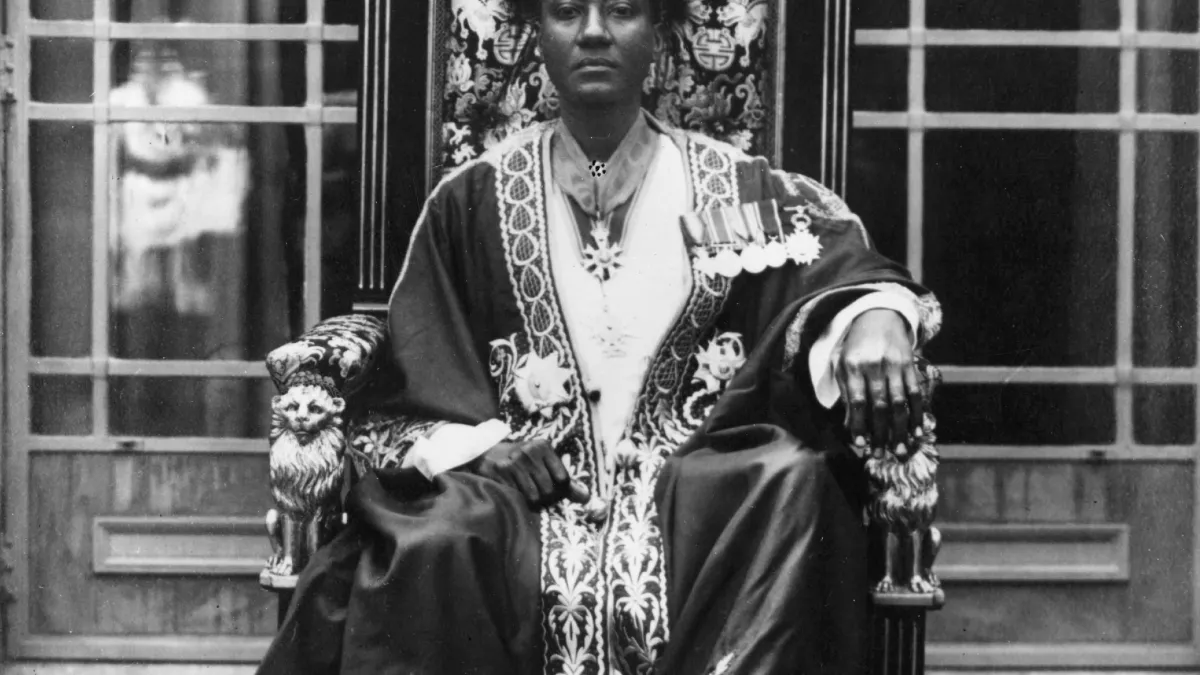
More than six decades after Uganda’s independence, the Buganda Kingdom continues to operate as a traditional monarchy within the republic. It retains the Kabaka, the Great Lukiiko and an administration headed by the Katikkiro, while its authority remains cultural rather than governmental.
Uganda’s Constitution recognises traditional and cultural institutions but prevents them from exercising administrative, legislative or executive state powers. It also bars traditional leaders from participating in partisan politics. Buganda spokesperson Israel Kazibwe Kitooke said the kingdom sought to preserve its cultural rights within the laws of the central government.
The arrangement follows a turbulent political history. Buganda held a special federal position under Uganda’s 1962 Independence Constitution, with some legislative powers assigned to its government. In 1966, Prime Minister Milton Obote ordered a military assault on the royal palace, suspended the constitution and abolished the traditional kingdoms.
The monarchy was restored in 1993, when Ronald Muwenda Mutebi II was enthroned as the 36th Kabaka. The kingdom’s institutions now focus on cultural practices, social cohesion and customary life, including family relationships, rites of passage, marriage traditions and dispute resolution by elders.
Accounts of Buganda’s early history remain contested because written records from the period are absent. Ugandan historian Semakula Kiwanuka described the kingdom’s development as a gradual consolidation of clan structures, while official Buganda accounts attribute early unification to alliances among clans. Al Jazeera reported that the kingdom’s influence remains significant, but its formal constitutional role is distinct from that of Uganda’s national government.