Buffett recalls Dexter Shoe deal as Berkshire’s most ‘gruesome’ financial error
The transaction, valued at $433 million in stock at the time, now carries an estimated opportunity cost of $5.7 billion as Berkshire shares surged. The lesson has shaped the capital allocation strategy of current CEO Greg Abel.
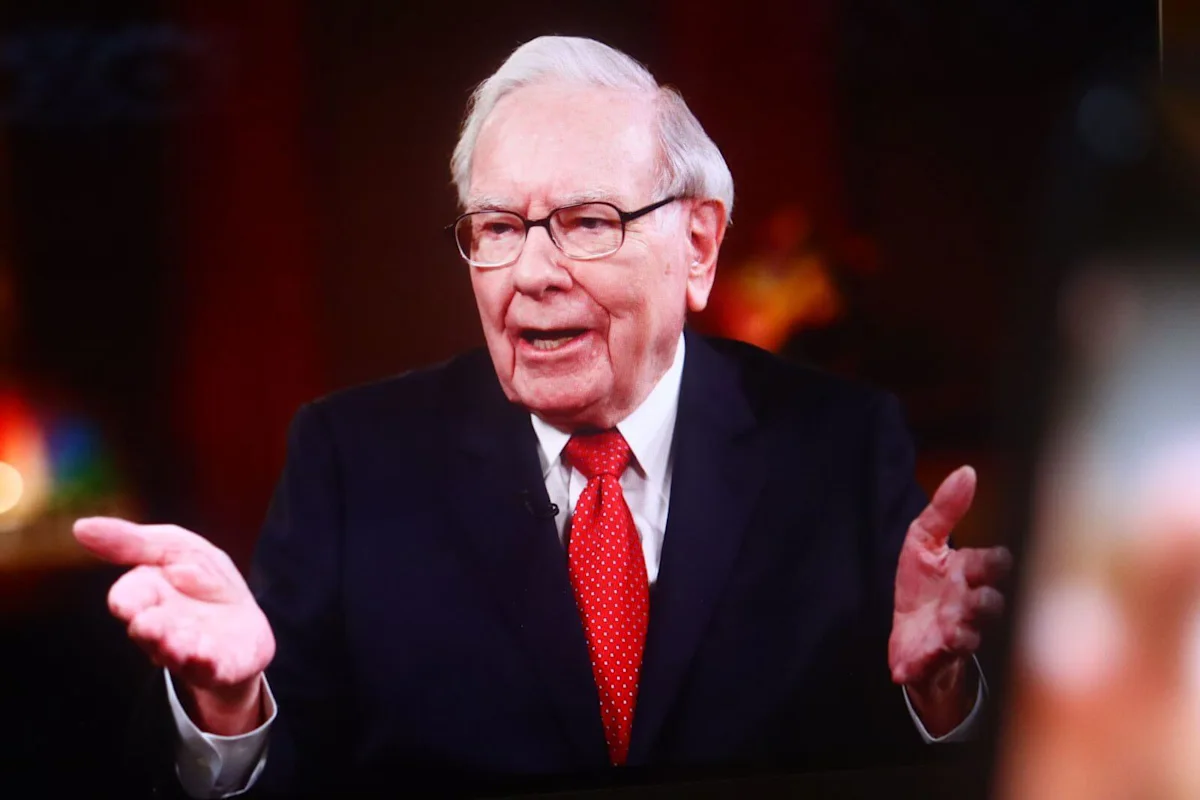
Warren Buffett has described the 1993 acquisition of Dexter Shoe Company as his "most gruesome" financial mistake, noting the error deserves a place in the Guinness Book of World Records. Berkshire Hathaway paid approximately $433 million for the footwear manufacturer entirely in stock, comprising roughly 25,203 Class A equivalent shares. The company later became worthless as cheap foreign imports rendered its domestic manufacturing model obsolete within a decade.
The true magnitude of the error lies in the method of payment. Because Buffett used Berkshire Hathaway shares rather than cash, the opportunity cost compounded relentlessly as the acquirer’s stock price appreciated. In his 2014 annual letter, Buffett calculated that the shares issued for the acquisition are now worth approximately $5.7 billion, given that Berkshire Class A shares trade above $780,000 each. He noted that the initial $433 million cost did not come close to recording the magnitude of the error.
Buffett clarified that Dexter did not appear to be a "cigar butt" investment at the time of purchase, possessing a terrific record and seemingly solid competitive strengths. However, he failed to foresee how international competition would evaporate those advantages. He wrote that trading shares of a wonderful business for ownership of a so-so business irreparably destroys value, emphasising that the intrinsic value of shares given in an acquisition must not exceed the intrinsic value of the business received.
This experience reinforced a strict capital allocation philosophy regarding the form of payment in acquisitions. Buffett noted that subsequent errors also involved using Berkshire shares to purchase businesses whose earnings were destined to limp along, describing such mistakes as deadly. The incident serves as a cautionary tale about the irreversible nature of equity dilution when an acquired entity fails to deliver lasting value.
Greg Abel, who succeeded Buffett as CEO at the start of 2026, appears to have internalised this lesson thoroughly. Abel’s strategy favours deploying Berkshire’s massive cash reserves over issuing equity, a preference evidenced by the $6.8 billion cash acquisition of Taylor Morrison Home. The deal highlights a continued commitment to avoiding the use of appreciating stock to acquire businesses lacking durable competitive advantages.