Bristol council declares ‘city of harm reduction’ in push for drug consumption facility
With drug poisoning deaths at record highs and the market flooded with synthetic opioids, Bristol councillors seek to pressure the national government to allow a legal consumption site.
Bristol City Council has formally declared the city a “city of harm reduction”, marking a decisive shift in local governance from criminal justice approaches to public health solutions for illegal drug use. The motion, led by Green councillors and supported by Labour and Liberal Democrat members, aims to pressure the national Labour government to reconsider current drug policies and facilitate the establishment of a legal drug-consumption facility in the city.
The declaration was passed at a full council meeting, with proponents arguing that the current legislative framework, the Misuse of Drugs Act 1971, has failed to curb supply or support recovery. The motion cites record-high drug poisoning deaths, which in Bristol are nearly twice the national rate, and highlights a rapidly evolving drug market characterised by the growing supply of dangerous super-strength synthetic opioids.
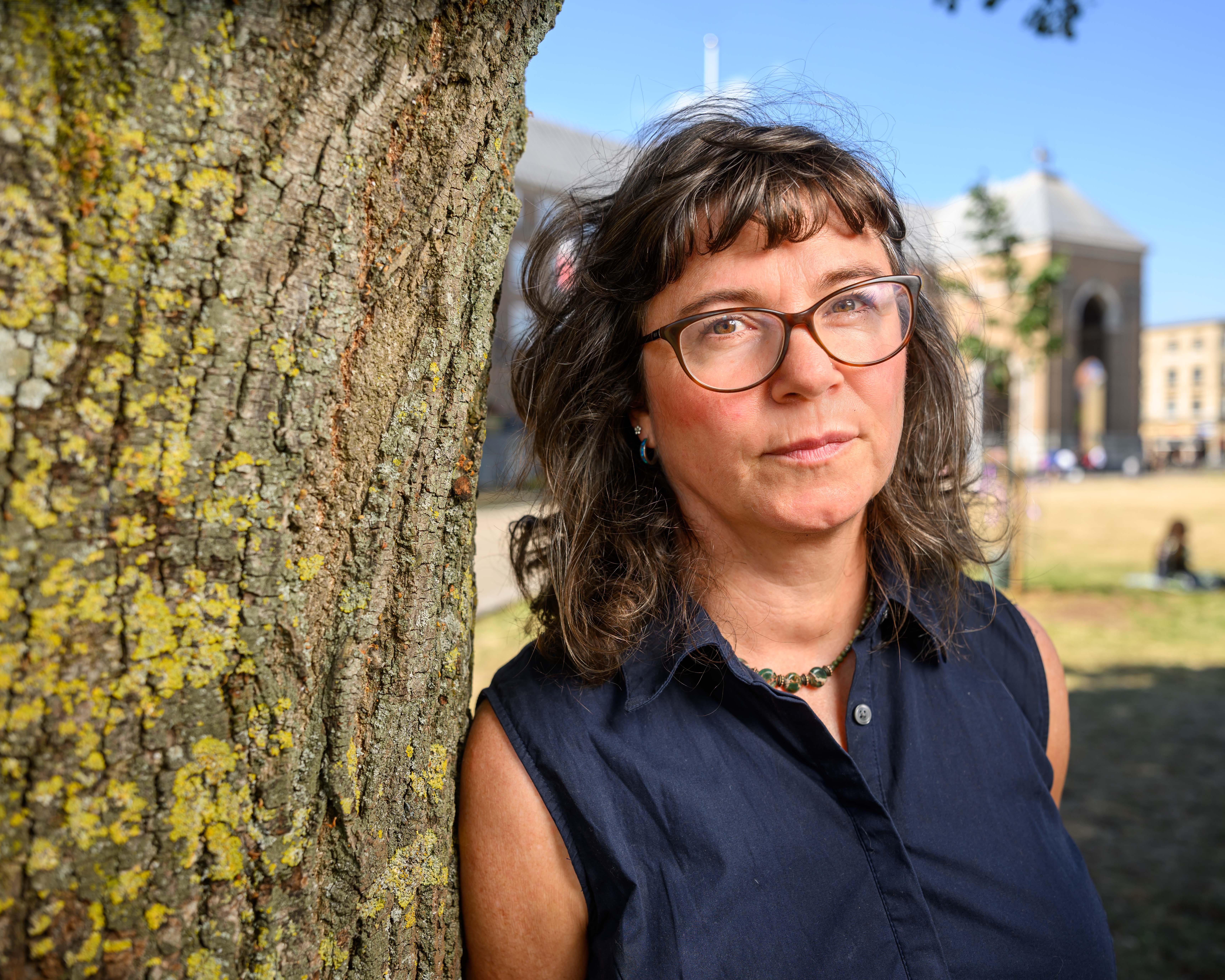
Green councillor Cara Lavan, whose partner Jake Coe died from a drug overdose, described the declaration as a pivotal moment to create a “domino effect” among other local authorities. Lavan noted that Coe, who was in recovery and training as an arts psychotherapist, relapsed within half an hour of moving to a new area due to the ease of access to illicit heroin and crack. She argued that prohibition had not stopped him from obtaining drugs and that the threat of criminalisation prevented him from seeking necessary support.
Bristol Green councillors are seeking to replicate the model of a drug-consumption facility already operating in Glasgow. Lavan emphasised that such facilities are not about encouraging drug use, but about ensuring that users are not stigmatised or criminalised while accessing treatment. The motion calls for evidence-led policies, noting that drug treatment agencies, police forces, and health professionals across the country recognise that current policies actively work against solving the problems they face.
The motion was rejected by Conservative members, who argued it was “ideologically framed”. However, Green councillor Abdul Malik, a mosque leader, stated that while his faith views intoxicants as harmful, the motion is based on evidence that prohibition has not solved the problem over the past 55 years. Bristol Labour councillor Kaz Self expressed support for the declaration but voiced concerns that it might be the “thin end of the wedge” towards broader policy changes, even as the party’s national stance has previously attacked Green drug policies as “extreme and dangerous”.