BRICS summit exposes divisions behind push for a new global order
Leaders reached agreement on the need for change but avoided several disputes, while using the Delhi summit for talks between Iran and the UAE and India and China.
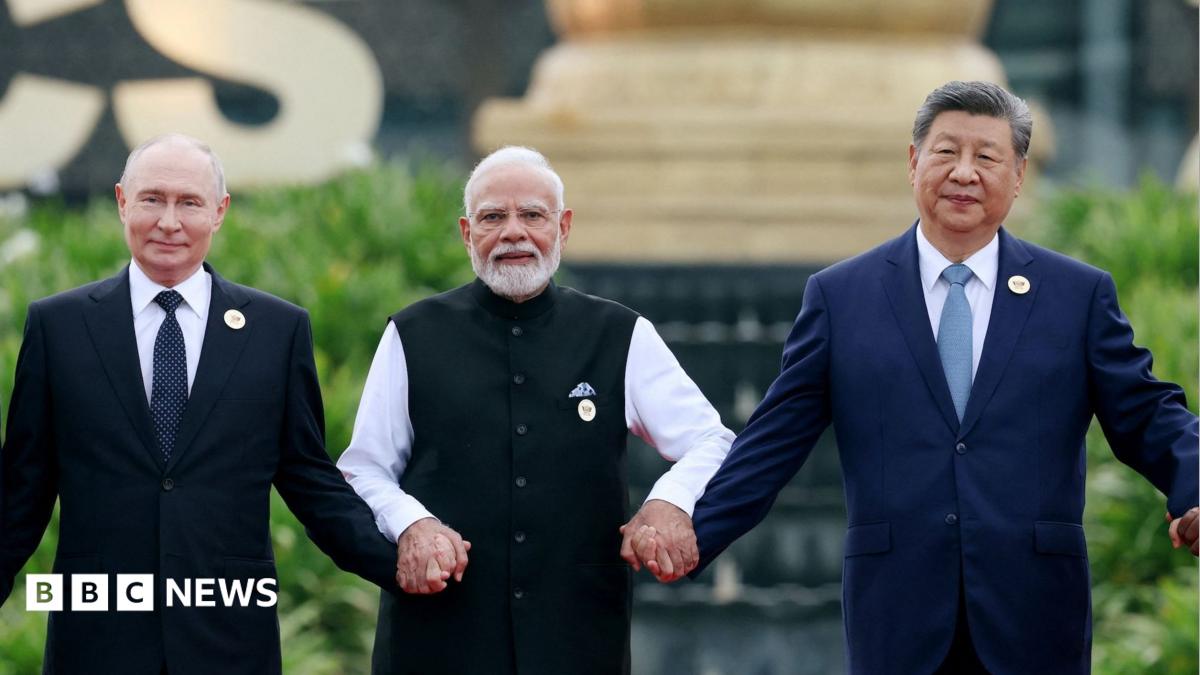
BRICS leaders have agreed that the global order needs to change, but their summit in New Delhi highlighted the difficulty of settling on an alternative or delivering concrete outcomes.
The New Delhi Declaration called for “maximum restraint” over the Middle East conflict and condemned attacks on civilian infrastructure and peaceful nuclear facilities without assigning blame. It backed a two-state solution and opposed the forced displacement of Palestinians.
The declaration did not mention Russia’s war in Ukraine. On trade, it criticised rising tariffs and unilateral sanctions without naming the United States, reflecting the competing priorities within the grouping.
BRICS brings together countries with significant strategic differences, including India and China, and Iran and the UAE. China, Russia and Iran see the bloc as a means of reducing US and western European influence, while India says BRICS is not anti-Western.
The summit nevertheless created space for bilateral diplomacy. Iranian President Masoud Pezeshkian held talks with Abu Dhabi Crown Prince Sheikh Khaled bin Mohamed bin Zayed Al Nahyan, in what the BBC described as the highest-level known face-to-face meeting between the two countries since the war began.
Chinese President Xi Jinping and Indian Prime Minister Narendra Modi also reportedly agreed to strengthen business ties and transport links and address trade barriers. Whether those understandings produce substantial progress remains unclear.
The declaration marked a measure of consensus after earlier BRICS ministerial meetings failed to produce joint statements. But the summit’s carefully worded agreements also underlined the gap between support for a new global order and agreement on what should replace the existing one.