BRICS summit agenda eclipsed by Iran conflict
The latest gathering of the BRICS alliance has been significantly overshadowed by the ongoing war on Iran, shifting focus away from the group’s traditional economic and political agenda.
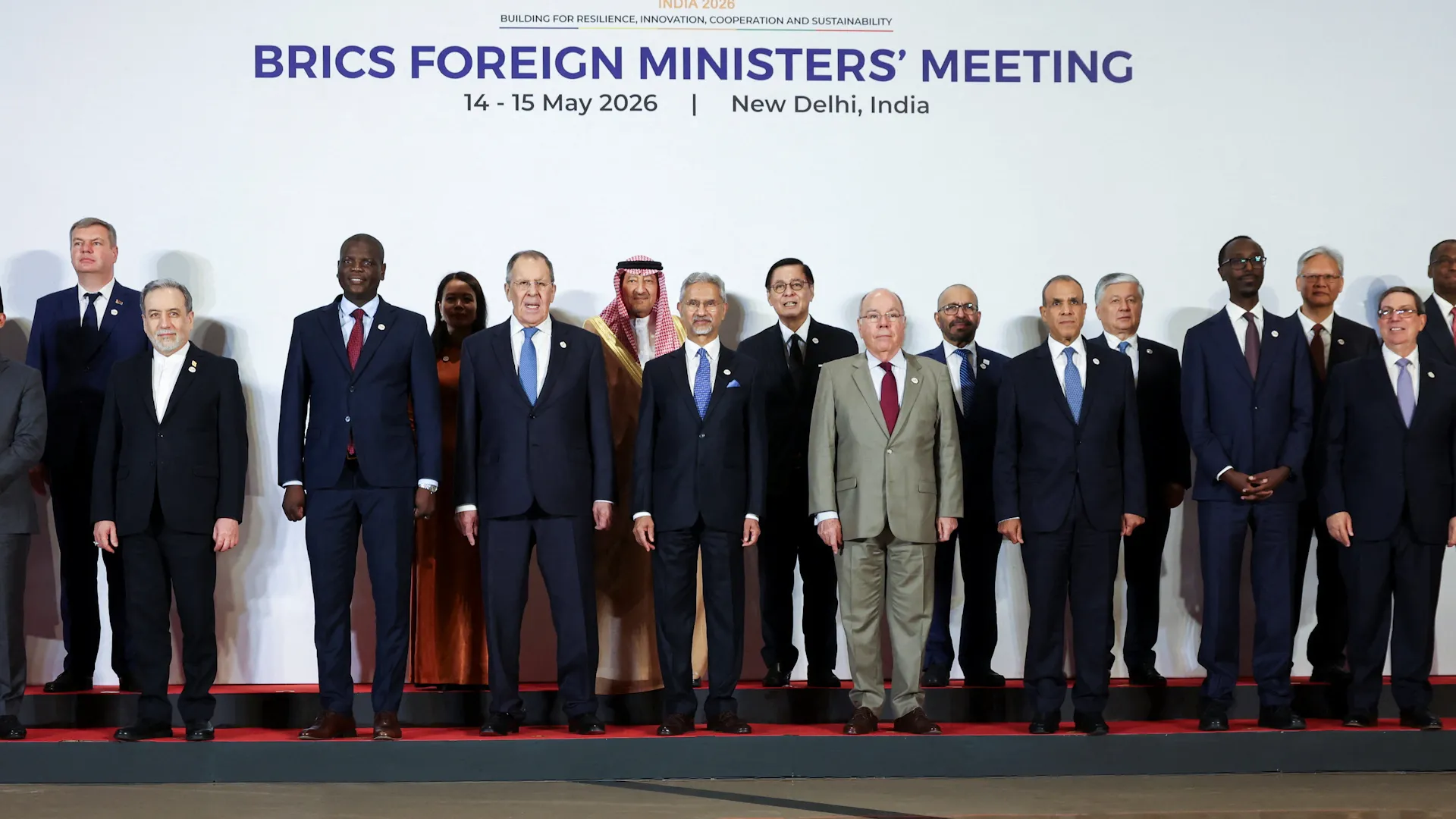
The BRICS summit meeting has been dominated by the geopolitical conflict involving Iran, rather than the bloc’s usual economic or political agenda. The primary narrative surrounding the BRICS gathering is now defined by this international crisis, marking a stark departure from the institutional focus typically associated with the alliance’s periodic convenings.
This shift in focus occurs against a backdrop of heightened tensions in early 2026, characterised by the Iran conflict which has contributed to rising oil prices and volatility in global markets. The war has had tangible economic impacts, with market dynamics adversely affected and specific institutional shares underperforming broader indices. For instance, Baron Capital reported that its Institutional Shares declined 9.0% in the first quarter, underperforming the S&P 500’s 4.3% decline.
The broader geopolitical climate has also seen diplomatic efforts to mend strained US-UK relations proceed despite security incidents. King Charles’ state visit to the United States is continuing as planned, including a private meeting with President Donald Trump and an address to Congress. This visit aims to address divergent stances on the Iran war, underscoring the conflict’s pervasive influence on international diplomacy.
A recent shooting at a White House dinner attended by President Trump did not halt the King’s four-day state visit, which Buckingham Palace confirmed will proceed on Monday. The trip, aimed at strengthening US-UK ties and marking the 250th anniversary of American independence, highlights the complex security and diplomatic landscape in which the BRICS meeting is taking place.
While the specific outcomes or statements issued by BRICS nations regarding the Iran conflict are not detailed in available reports, the overshadowing effect of the war is clear. The connection between the BRICS meeting and the broader market data suggests that the conflict is a central theme influencing both political deliberations and economic performance across the bloc.
The exact nature of the "war on Iran" and its current military or diplomatic status remains a subject of global attention, with the conflict serving as a critical variable in assessing the stability of global markets and alliances. As the BRICS nations navigate this period, the war on Iran stands as the defining issue of the current geopolitical era.