Investigation reveals systematic siege tactics in Sudan’s El Fasher
New findings from investigative outlets and the Sudan War Monitor cite satellite imagery and survivor testimony to allege a coordinated campaign of ethnic cleansing in Darfur.
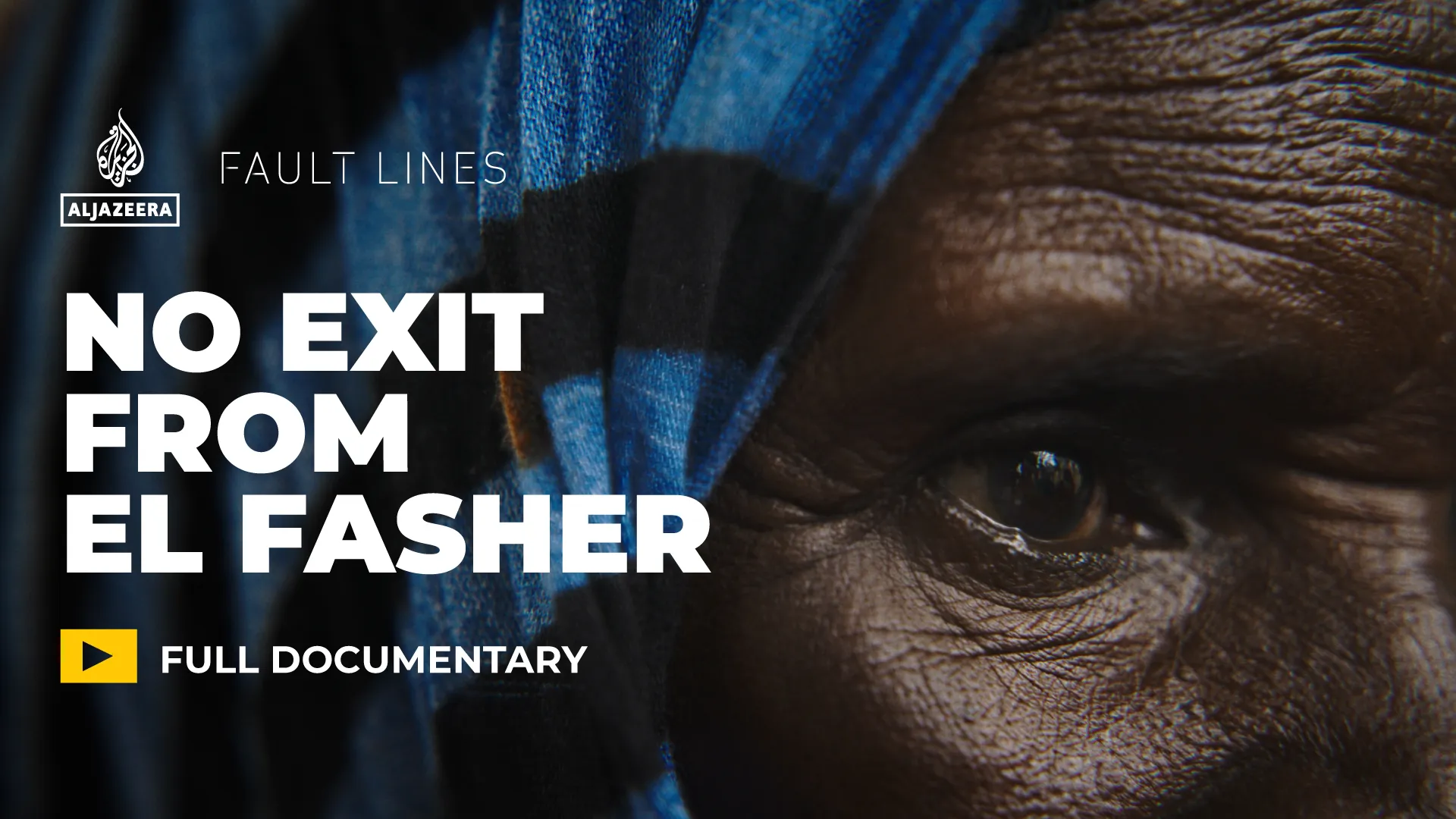
An investigation by Fault Lines and Lighthouse Reports, in collaboration with the Sudan War Monitor, has detailed the conditions of an 18-month siege on El Fasher, Sudan, conducted by the Rapid Support Forces (RSF). The inquiry reconstructs how paramilitary forces encircled the western city, systematically cutting off food supplies and escape routes before the city’s fall in October.
Survivors have provided testimony describing civilians being shot on exit roads as they attempted to flee the city. According to reports, bodies were left behind on these routes following the city’s capture, with thousands of people killed during the exodus. The investigation highlights these accounts alongside visual evidence to document the scale of the violence and the restrictions placed on movement.
Rights groups have alleged that the RSF’s campaign in Darfur is systematic and amounts to ethnic cleansing. These allegations are supported by satellite imagery showing the construction of an earth barrier that encircled El Fasher. This physical infrastructure served to further restrict civilian movement and isolate the population during the blockade.
The timeline of events indicates that the siege began 18 months prior to the city’s fall in October. During this period, civilians were trapped under conditions that led to starvation and death. The subsequent fall of the city resulted in mass casualties among those attempting to escape, with survivors reporting targeted violence on the roads leading out of El Fasher.
The combined efforts of Fault Lines, Lighthouse Reports, and the Sudan War Monitor aim to investigate allegations of mass killings, disappearances, and other abuses. The findings rely on a mix of survivor testimony and visual evidence to challenge the narrative of the conflict and highlight the humanitarian impact of the RSF’s operations in the region.