BRICS preserves summit consensus while avoiding blame over Iran and Ukraine
The New Delhi Declaration calls for restraint, opposes unilateral tariffs and sanctions, and adopts stronger language on Palestine without naming states involved in the conflicts.
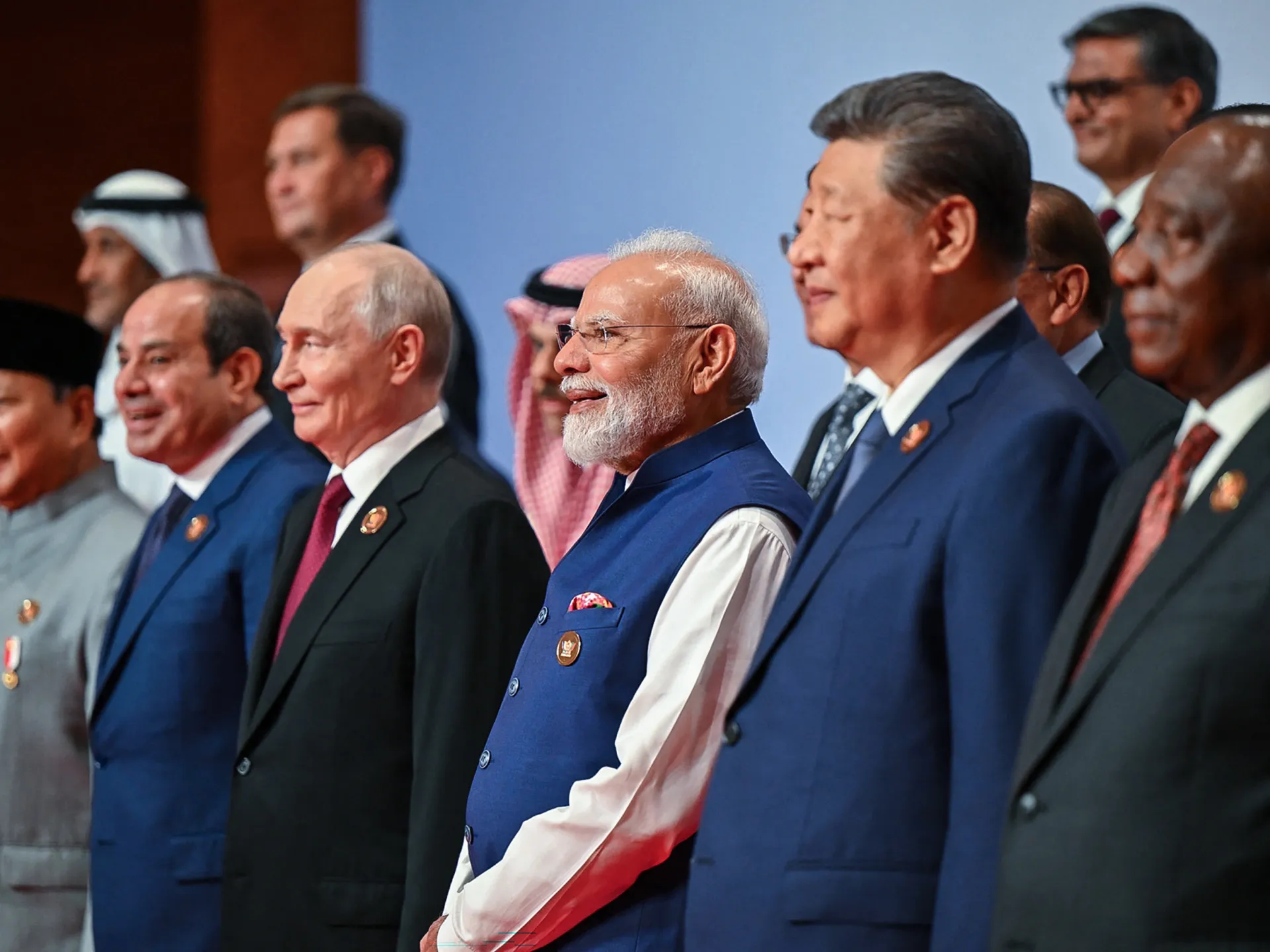
BRICS leaders unanimously adopted the New Delhi Declaration on the first day of their two-day summit in New Delhi, preserving a common position despite divisions over the wars in Iran and Ukraine.
The declaration called for “maximum restraint” in the Middle East and criticised attacks on civilian infrastructure and peaceful nuclear facilities protected by International Atomic Energy Agency safeguards. It did not identify those responsible or name the United States, Israel, Iran or Gulf states.
On Ukraine, the bloc urged disputes to be resolved through dialogue, consultation and diplomacy, while opposing unilateral sanctions not authorised by the United Nations Security Council. The statement also criticised unilateral tariff and non-tariff measures without naming the countries imposing them.
BRICS adopted more explicit language on Palestine, opposing the forced displacement of Palestinians and efforts to alter the geography or demography of the occupied Palestinian territory. It backed humanitarian access, support for UNRWA, Palestine’s full UN membership and a two-state solution based on the 1967 borders.
The outcome reflects both the reach and limits of the expanded grouping, which includes Iran and the UAE despite their opposing positions in the reported conflict. Founded in 2006, BRICS now has 11 members and represents nearly half the world’s population and about 40 per cent of global GDP, according to the source.
Indian Prime Minister Narendra Modi described the summit as a “coming of age” moment and urged the Global South to become a “rule-shaper”. He also said BRICS was not directed against the West, as members pursue greater influence in institutions including the World Bank, International Monetary Fund and World Trade Organization.