BRICS ministers convene in New Delhi as Iran conflict and energy crisis dominate agenda
Foreign ministers from the BRICS grouping gather in India to coordinate policy ahead of the 18th summit, but internal tensions over the war in Iran and the Strait of Hormuz energy blockade threaten consensus.
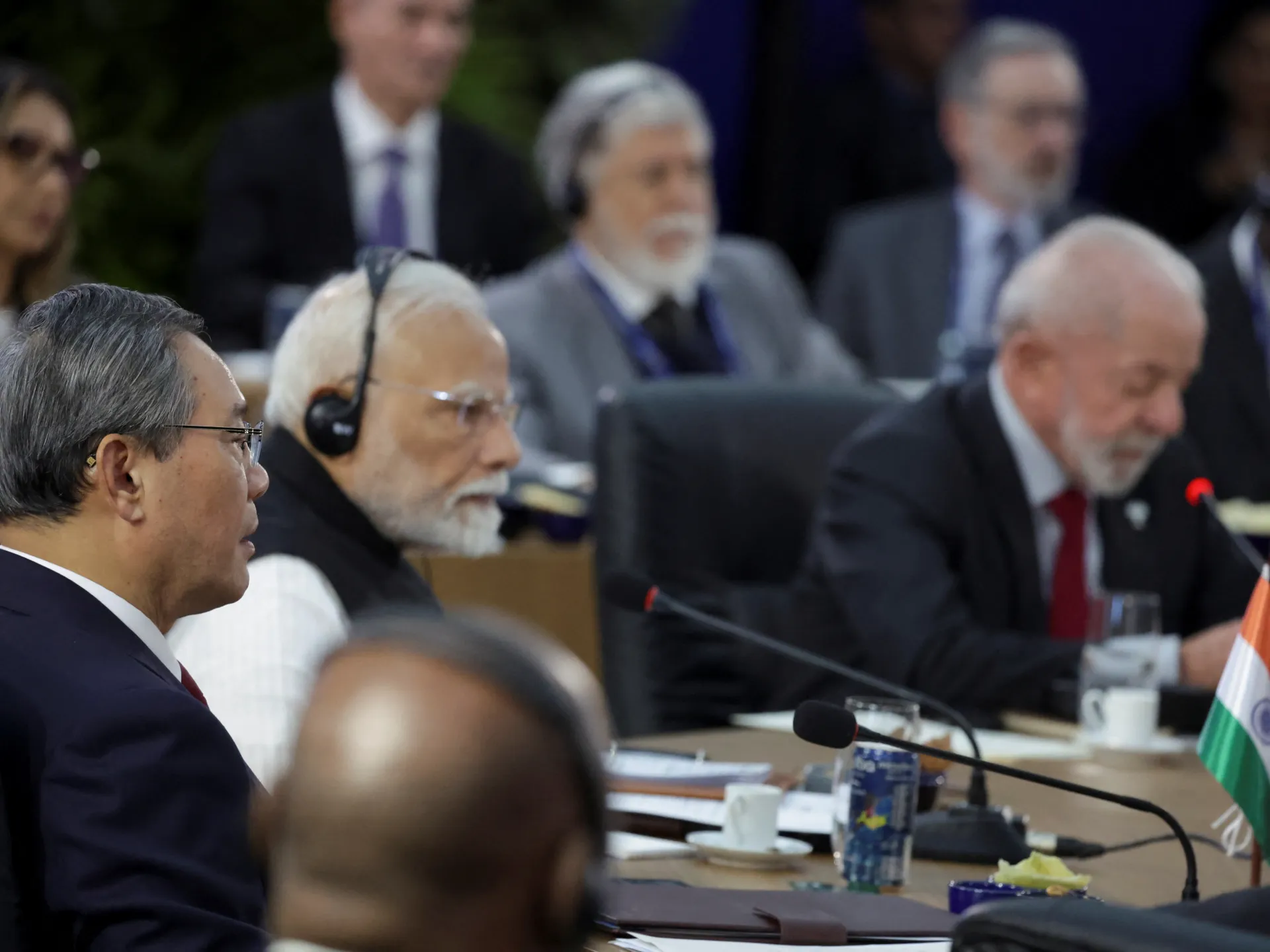
Foreign ministers from the BRICS nations convened in New Delhi on May 14 and 15 for a critical preparatory meeting ahead of the 18th BRICS summit scheduled for September. Hosted by India, the gathering was intended to focus on the official theme of “Building for Resilience, Innovation, Cooperation and Sustainability,” with specific attention to people-centric healthcare and collaboration on communicable and non-communicable diseases. However, the diplomatic proceedings were immediately overshadowed by the ongoing US-Israel war on Iran, which entered its 76th day, and the resulting global energy crisis stemming from shipping restrictions in the Strait of Hormuz.
The composition of the delegation highlighted the complex geopolitical alignments within the bloc. Chinese Foreign Minister Wang Yi was absent from the New Delhi sessions due to US President Donald Trump’s concurrent three-day state visit to Beijing, marking the first visit by a US president to the Chinese capital in nine years. China was instead represented by Ambassador to India Xu Feihong. Attendees included Russian Foreign Minister Sergey Lavrov, South African Foreign Minister Ronald Lamola, Brazilian Foreign Minister Mauro Vieira, Iranian Foreign Minister Abbas Araghchi, and Indonesian Foreign Minister Sugiono. The presence of these ministers underscores the group’s role as a coordination mechanism for major emerging economies seeking to amplify the demands of the Global South.
Tensions within the bloc were evident, particularly regarding the conflict in the Middle East. The war on Iran has exacerbated existing friction between Iran and the United Arab Emirates, one of the newer members invited to join the group in 2023. The UAE, which views itself as a victim of Iranian aggression, has clashed with Tehran over how to address the conflict. This divergence complicated consensus-building, mirroring issues from an April meeting in New Delhi where a joint statement failed to materialise due to disagreements between Iran and the UAE. Additionally, differing stances on the war in Gaza have further strained unity, with India attempting to soften criticism of Israel’s actions in the region.
The energy crisis triggered by the closure of the Strait of Hormuz has direct economic implications for several BRICS members. Since early March, Iran has restricted shipping through the strait, a vital waterway through which 20 percent of the world’s oil and liquefied natural gas supplies were shipped before the war. While Iran has allowed passage by vessels from select countries subject to negotiation with the Islamic Revolutionary Guard Corps, the disruption has led to rapidly rising fuel prices. India and China, both heavily reliant on Gulf oil, face immediate supply chain challenges, while members such as Brazil, Egypt, and South Africa are impacted by the broader market volatility.
Analysts suggest that the BRICS summit is unlikely to produce a consensus statement beyond general condemnations of attacks on sovereignty, a pattern observed in previous statements regarding Russia’s war against Ukraine. The coincidence of Trump’s visit to Beijing adds another layer of complexity, with predictions that Washington will seek to persuade Beijing to pressure Iran to end the naval standoff. As the bloc navigates these intersecting crises, the cohesion of BRICS faces significant tests, with internal divisions and external pressures threatening to fragment its collective diplomatic stance ahead of the September summit.