Brent crude hits $100 as Middle East tensions reignite inflation fears
Escalating military strikes against Iran and Houthi attacks in the Red Sea drive energy costs to a five-month high, prompting central banks to prioritise price stability over political demands.
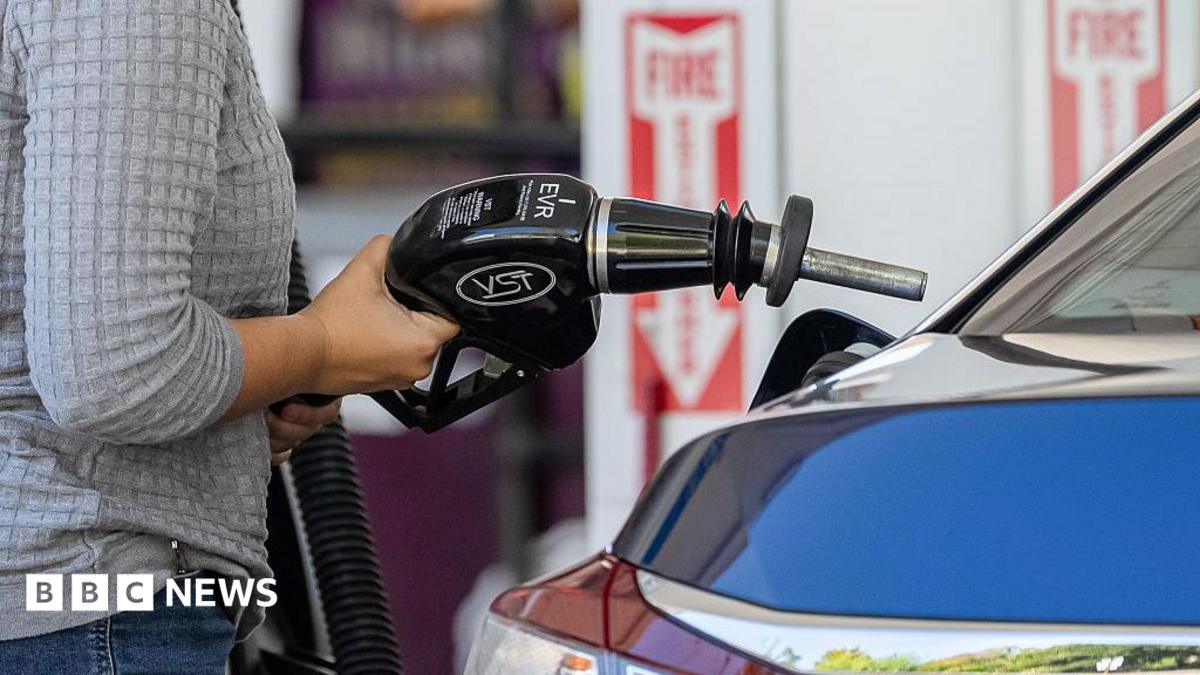
Brent crude oil prices have surged past the $100-a-barrel threshold for the first time since May, driven by escalating military strikes by the United States against Iran and ongoing Houthi militia attacks on oil tankers in the Red Sea. The global benchmark rose more than 6% on Thursday, following several days of increases, as the collapse of a temporary ceasefire between the US and Iran has reignited concerns over the stability of global energy supplies.
The surge in crude prices has triggered immediate increases in fuel costs for consumers in both the UK and the US. In Britain, benchmark gas prices have climbed to approximately 150p per therm, a significant rise from the 98p recorded at the end of June. According to data from the RAC, UK petrol prices have jumped by 5p a litre over the past two-and-a-half weeks to reach almost £1.56 a litre, while diesel averages £1.72 a litre.
Across the Atlantic, the impact on household budgets is equally pronounced. Average US gasoline prices have surpassed $4 a gallon, up from $3.92 a month ago, according to the American Automobile Association. The disruption to supply chains is further compounded by Houthi attacks threatening a key export route used by Saudi Arabia to bypass the Strait of Hormuz, adding to the pressure on energy markets.
In response to these economic headwinds, US Federal Reserve Chair Kevin Warsh has reaffirmed the central bank’s commitment to price stability. Speaking to Congress, Warsh stated the institution had "no tolerance to persistently elevated inflation" and was dedicated to restoring stability in the wake of the Middle East conflict. This stance comes despite intense political pressure from President Donald Trump, who had previously urged Warsh’s predecessor, Jerome Powell, to cut borrowing costs.
The European Central Bank has similarly maintained its key interest rates unchanged, citing the need to monitor the energy price shock resulting from the war. With US Treasury yields climbing to multi-year highs, the coordinated caution from major central banks signals a prioritisation of inflation control over short-term political demands for rate reductions.