Brazil’s presidential race narrows to razor-thin Lula-Bolsonaro contest
A Quaest poll cited by France 24 shows Luiz Inácio Lula da Silva on 42 per cent and Jair Bolsonaro on 41 per cent in a projected second-round matchup.
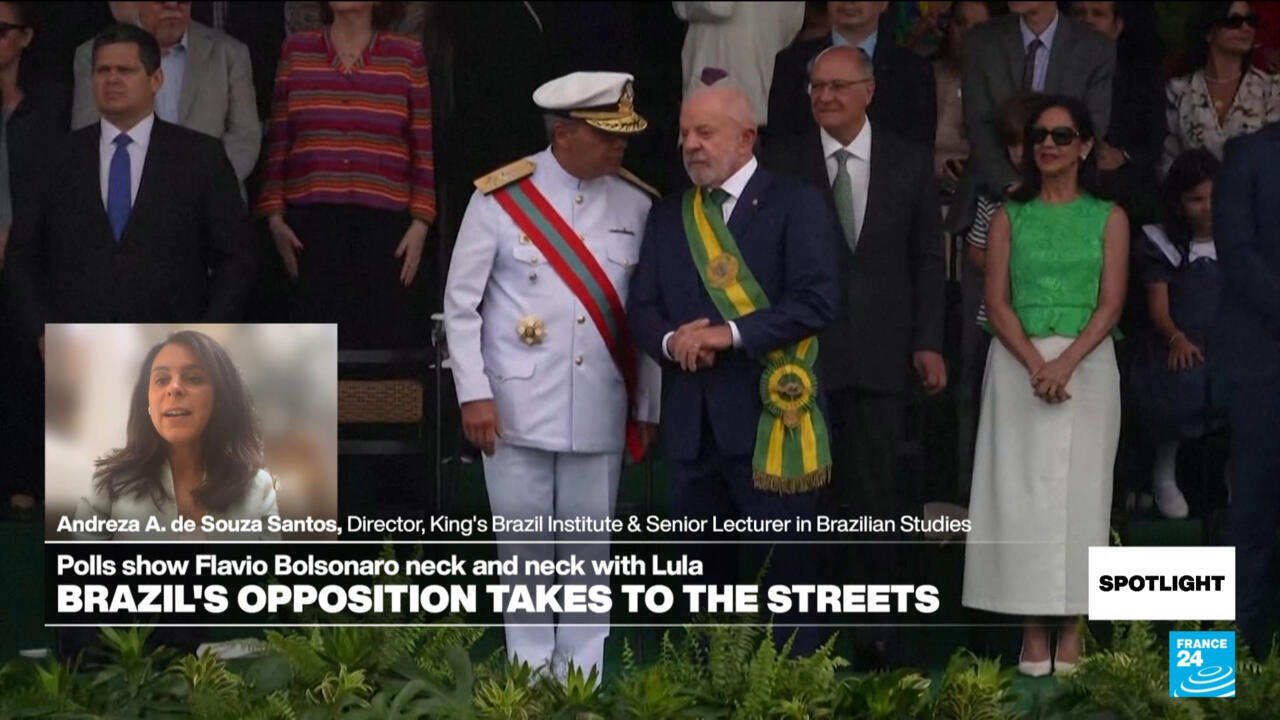
Brazil’s approaching presidential election is tightening as political polarisation intersects with public concerns over living costs, employment and trust in national institutions.
A Quaest poll cited by France 24 puts President Luiz Inácio Lula da Silva on 42 per cent and Jair Bolsonaro on 41 per cent in a projected second-round contest. Lula’s reported support fell from 43 per cent over the past month, while Bolsonaro’s rose from 40 per cent. The figures indicate a statistical tie, not an election result or confirmed second round.
Andreza Aruska de Souza Santos, director of King’s Brazil Institute at King’s College London, said the country’s macroeconomic performance and political confidence were moving on different tracks. While headline indicators may appear relatively positive, many Brazilians are experiencing pressure from the cost of living and a volatile job market.
That gap between economic statistics and daily experience could shape the contest more than headline figures, according to Aruska. She also identified campaign messaging across social and traditional media as a potentially decisive factor in the closely balanced race.
Disputes involving Brazil’s Supreme Court have added to institutional mistrust and fed into the broader Lula-Bolsonaro divide. Aruska said the disputes could reopen the anti-establishment political space associated with Bolsonaro’s rise.
She also cautioned against assuming that pressure from Washington would automatically strengthen Brazil’s Trump-aligned right. Foreign intervention, she said, could instead activate sovereignty and nationalist reactions.