Brazil seeks to disrupt China’s rare earth monopoly amid surge in foreign investment
With China controlling over 90% of global refining capacity, Brazil is leveraging its vast reserves and geological advantages to attract billions in investment, though experts warn domestic processing capabilities remain a distant goal.
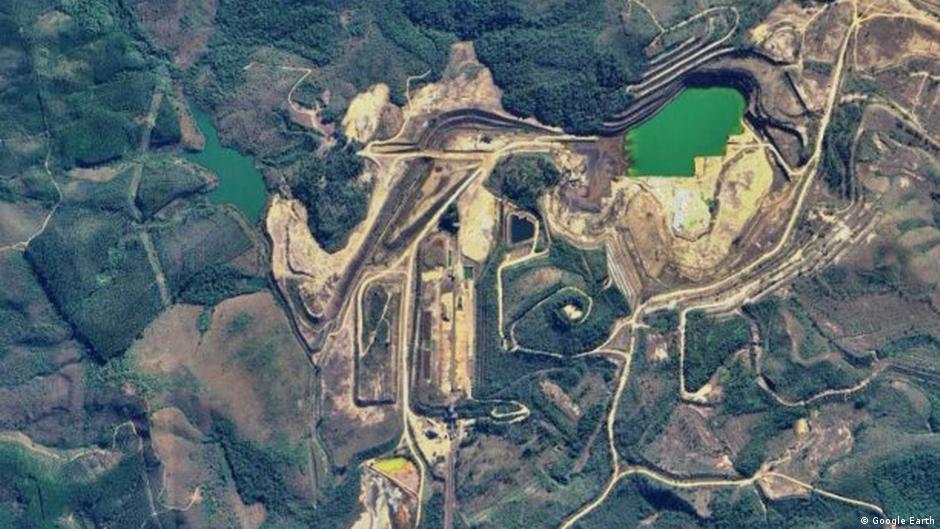
Brazil is positioning itself to challenge China’s dominance in the global rare earths market, driven by surging demand for critical minerals essential to electric vehicles, wind turbines, and artificial intelligence infrastructure. The nation holds the world’s second-largest reserves, estimated at approximately 21 million tons, and is witnessing an unprecedented surge in mining activity as international firms seek to diversify supply chains away from Beijing.
The scale of this shift is evident in the data from Brazil’s National Mining Agency (ANM). While just over 250 rare earth mining applications were filed between 1975 and 2020, the number jumped to 1,662 new projects between 2023 and 2024 alone. Currently, 2,758 projects are under consideration, reflecting a strategic pivot by global investors toward South American resources. This interest has translated into significant market movement, with share prices for companies involved in Brazilian rare earth mining, including Meteoric Resources, USA Rare Earths, Resouro Strategic Metals, and Appia Rare Earths and Uranium Corp, rising between 65% and 122% over the past 12 months.
Major capital commitments are already underway. In April, US-based USA Rare Earths acquired Serra Verde’s Pela Ema mine in the state of Goias for $2.8 billion (€2.4 billion). The acquisition includes a 15-year supply agreement with several US government agencies. USA Rare Earths CEO Barbara Humpton described the Serra Verde asset as unique, noting it is the only producer outside Asia capable of supplying all four magnetic rare earths at scale. Meanwhile, Australian firm Meteoric Resources is investing heavily in the Caldeira deposit in Minas Gerais, which CEO Andrew Tunks identifies as the world’s largest ionic clay deposit.
Geological factors are providing Brazil with a distinct competitive advantage. According to the Brazilian Geological Society (SBG), approximately 73% of the country’s rare earth deposits are ionic clay formations. These deposits have undergone natural weathering, meaning nature has already performed part of the processing work, making them easier to mine than traditional hard rock sources. Furthermore, Meteoric Resources plans to power its Brazilian operations entirely with renewable energy, citing cheaper electricity and abundant water resources compared to its operations in Australia.
Despite these advantages, significant structural challenges remain. China currently controls over 90% of global rare earth refining capacity and 95% of permanent magnet production. Brazil, like many resource-rich nations, has largely limited itself to exporting raw materials rather than developing domestic processing capabilities. The International Energy Agency (IEA) notes that demand for magnet rare earth elements has doubled since 2015 and is projected to expand further by 2030. While Brazil aims to build its own value chains alongside countries such as India, Vietnam, Sweden, and Norway, industry leaders acknowledge that establishing competitive manufacturing and refining infrastructure will take considerable time.
The German-Brazilian Chamber of Industry and Commerce in Sao Paulo reports that German companies remain only "selectively" involved in raw material extraction in Brazil. However, partnerships in critical minerals, energy transition, and supply chain security are being expanded. As the "gold rush" for rare earths intensifies, the focus is shifting from extraction alone to the long-term development of a self-sufficient industrial base capable of competing with established Asian dominance.