Bosnia’s Bajraktarevic Faces Canada Amid Srebrenica Legacy
As Bosnia and Herzegovina prepare for their tournament opener against Canada, media attention is centred on Esmir Bajraktarevic, identified in reports as a “Child of Srebrenica.”
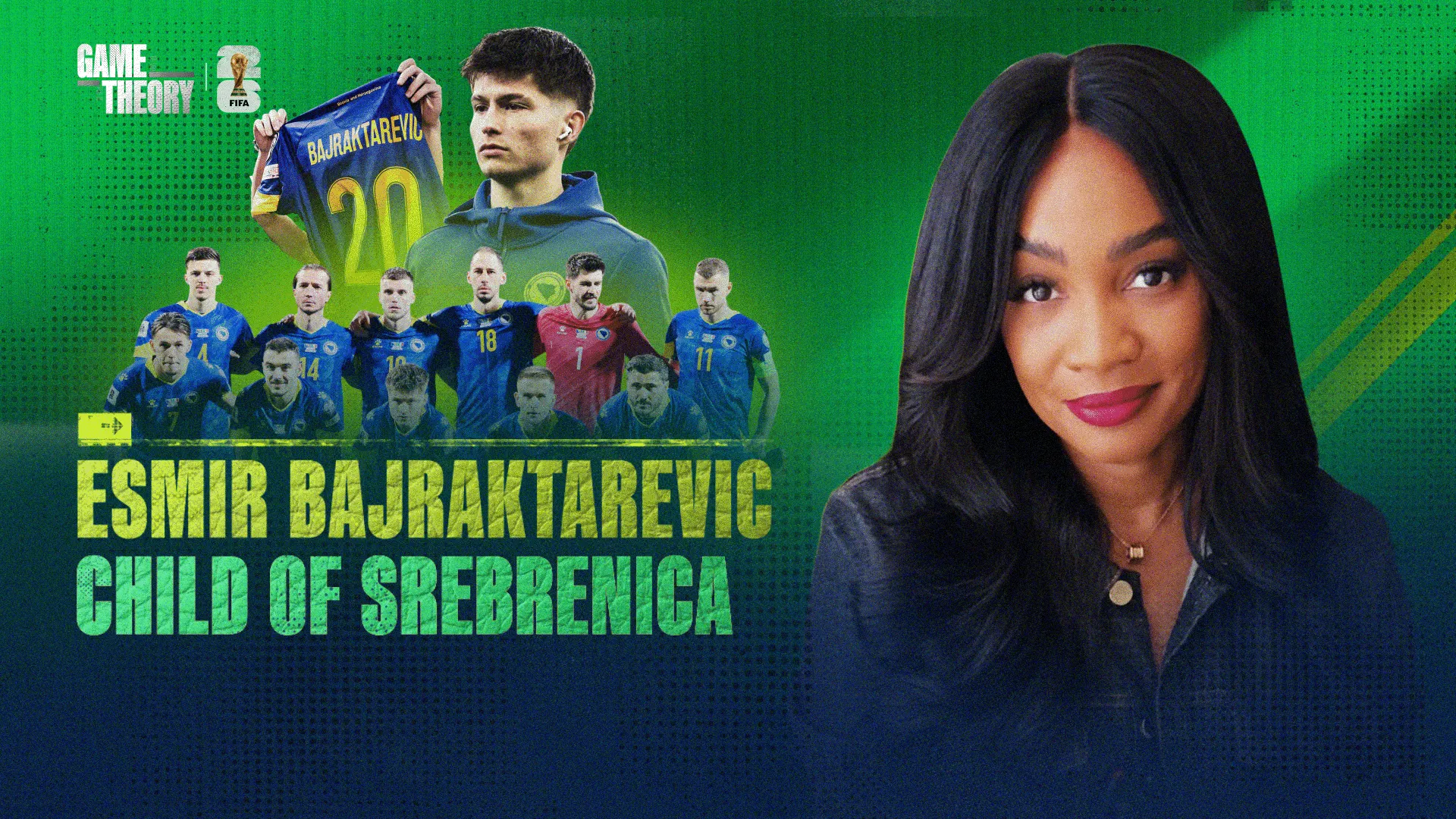
Bosnia and Herzegovina are set to face Canada in their opening match of the 2026 FIFA World Cup, a fixture that has drawn significant scrutiny regarding the personal history of player Esmir Bajraktarevic. According to Al Jazeera, the squad’s campaign is being framed through the lens of Bajraktarevic’s identity, with reports designating him as a “Child of Srebrenica.”
The term references the 1995 genocide during the Bosnian War, where more than 8,000 Bosniak men and boys were killed in the town of Srebrenica. Media coverage has positioned this historical connection as a central narrative for the national team’s participation in the tournament, linking the player’s presence on the pitch to the broader geopolitical and historical weight of the region.
The 2026 World Cup, jointly hosted by the United States, Mexico, and Canada, features an expanded field of 48 teams. The tournament officially commenced on Thursday with the opening match between co-hosts Mexico and South Africa. Mexico secured a 2-0 victory at the Estadio Azteca, with Julian Quinones scoring the first goal of the competition in the ninth minute.
While the Bosnian squad prepares for its specific engagement with Canada, the broader tournament context includes the United States Men’s National Team, which is scheduled to open its campaign against Paraguay in Inglewood, California, on Friday. The expanded format and the mix of co-hosts have created a complex logistical and political backdrop for the participating nations.
Bajraktarevic’s identification as a “Child of Srebrenica” highlights the intersection of sport and historical memory in international football. The specific details of his family connection to the 1995 events are not elaborated in the provided source material, but the designation serves to anchor his individual profile within the collective trauma of the Bosnian War.
The focus on Bajraktarevic suggests that Bosnia’s World Cup journey will be viewed through a dual lens of athletic performance and historical representation. As the team moves into its opening match, the narrative surrounding its players is likely to remain closely tied to the region’s past, reflecting the ongoing societal impact of the conflict that defined the 1990s.
The tournament’s structure, with matches spread across North America, provides a global stage for these narratives to unfold. For Bosnia and Herzegovina, the match against Canada represents not only a sporting challenge but also an opportunity to engage with international audiences on terms shaped by their historical identity.