Bosnia-Herzegovina risks freezing €374m in EU funding over opaque gas pipeline deal
Lawmakers' move to fast-track the Southern Interconnection project with AAFS Infrastructure and Energy draws fire from the European Union and local watchdogs for lacking transparency and experience
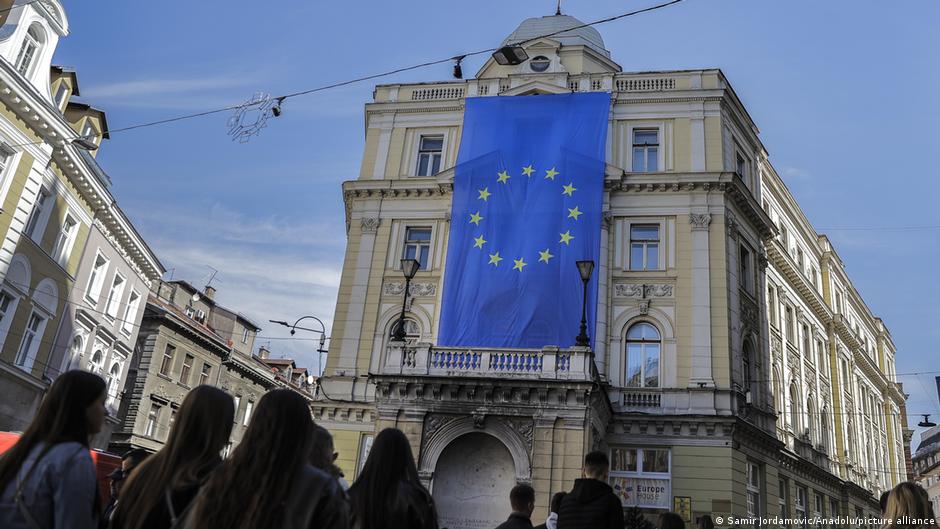
Bosnia-Herzegovina faces a significant hurdle in its European Union accession journey after domestic lawmakers approved legislation designating AAFS Infrastructure and Energy as the investor for the Southern Interconnection gas pipeline. The move, which effectively names a specific US-based entity for the project, has triggered serious concerns in Brussels regarding the lack of transparency and the company's inexperience in infrastructure development.
While the pipeline aims to connect Bosnia to a liquefied natural gas terminal in Croatia and reduce reliance on Russian energy, the European Union has issued stern warnings that the deal violates the Energy Community Treaty and public procurement rules. EU Ambassador Luigi Soreca has written directly to Bosnian leadership, urging them to carefully consider their obligations before finalising the arrangement. The Ambassador emphasised that maintaining progress toward membership requires strict alignment with European Commission recommendations on how such contracts are awarded.
Critics within Bosnia have echoed these concerns, arguing that the legislation appears to be tailor-made to serve private interests rather than the public good. Ivana Korajlic of Transparency International in Bosnia-Herzegovina warned that avoiding transparent procedures and competition sets a dangerous precedent. She highlighted that the selection of AAFS, a firm reportedly founded in late 2025 with no known prior experience in building pipelines, suggests political influence may have driven the choice over merit.
The controversy extends to the financial viability of the project, with questions raised about the source of the reported US$1.5 billion investment. Korajlic noted that the company has links to individuals close to US President Donald Trump, alongside reports of lobbying efforts that suggest political connections played a role in its selection. Attempts by Deutsche Welle to contact AAFS Infrastructure and Energy for comment resulted in no response prior to publication.
Analysts suggest this incident marks a shift in the EU's approach to Bosnia's slow reform process. While Brussels previously lowered its standards due to the country's historical delays, it is now insisting on strict compliance, using funding leverage to push for necessary changes. Analyst Berta Lopez Domenech from the European Policy Centre noted that the EU is standing by its criticism, viewing the situation as an opportunity to enforce long-overdue governance reforms.
The stakes for Sarajevo are high, with the European Union warning that failure to align with treaty obligations could result in the freezing of approximately €374 million in regional funding under the EU's Growth Plan. This potential financial penalty represents a critical lever for Brussels to ensure that Bosnia prioritises alignment with EU standards over fulfilling specific private or political interests.