Bondi defends Justice Department’s Epstein file release in closed-door testimony
Pam Bondi appeared before the House Oversight Committee in a transcribed interview, acknowledging redaction errors while maintaining that withheld materials were properly vetted under the Epstein Files Transparency Act.
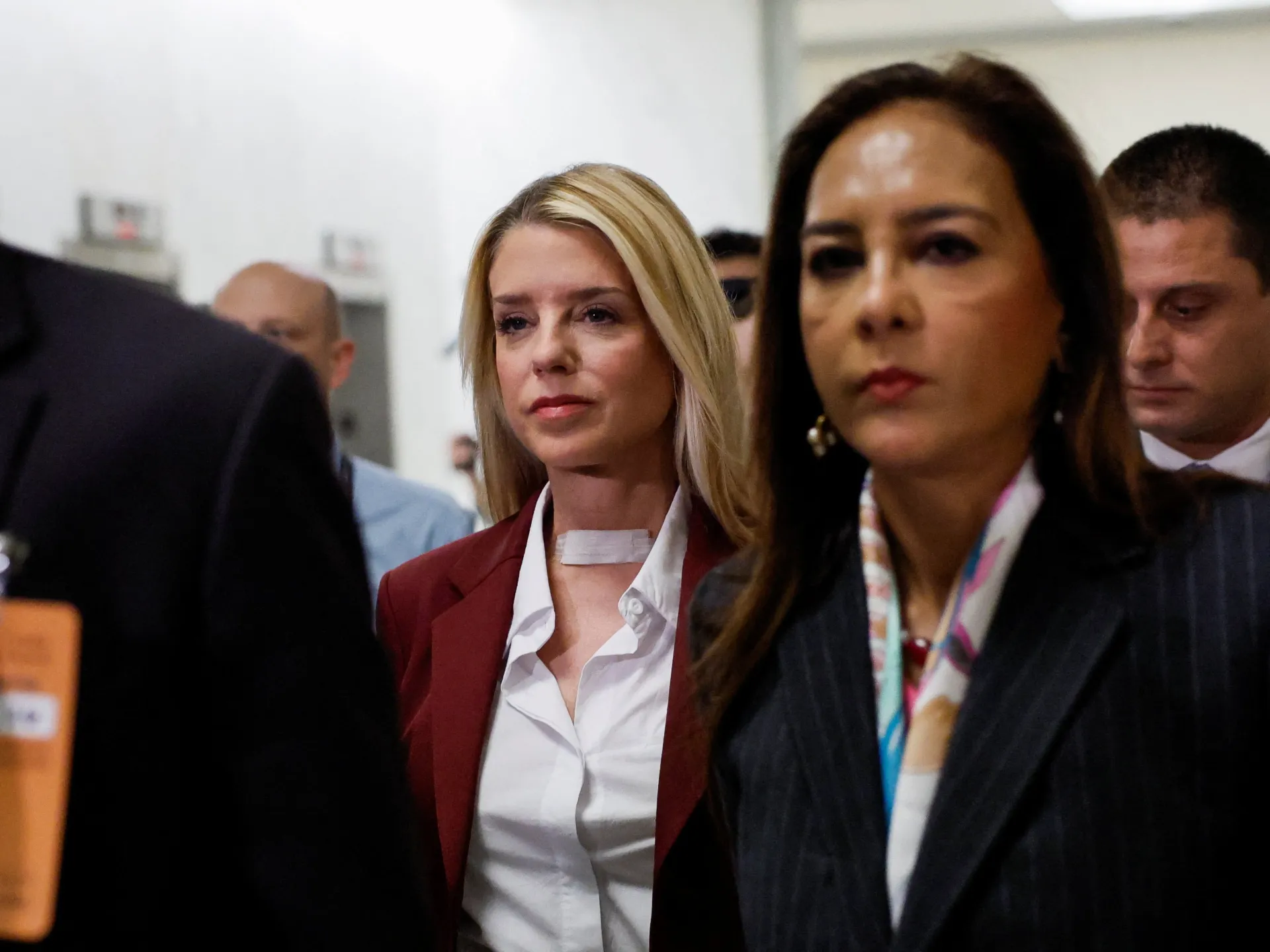
Former United States Attorney General Pam Bondi testified before a closed-door, transcribed interview with the House Oversight Committee on Friday, defending the Justice Department’s handling of documents linked to the Jeffrey Epstein investigation. Bondi, who was dismissed from her position in April, stated that nearly three million pages of records were released during her tenure, describing the effort as an unprecedented bid for transparency. She maintained that any materials withheld were properly vetted under the Epstein Files Transparency Act as non-responsive, privileged, or duplicative.
The hearing followed a contentious timeline regarding the release of the files. Although the law, passed in November, mandated the disclosure of all Justice Department material within 30 days, the department released the documents on January 31, missing the December deadline. Bondi acknowledged that redaction errors occurred during the process but argued that the department remained committed to accountability. She expressed sympathy for Epstein’s victims, stating she was deeply sorry for what they had endured, while noting that she had delegated oversight of the document review process to Deputy Attorney General Todd Blanche.
Critics, including House Oversight Committee Chairman James Comer and top Democrat Robert Garcia, accused the administration of withholding records and failing to comply with the law’s timeline. Comer stated his aim was to ensure every document was released to provide justice to survivors, arguing the case had not been thoroughly investigated. Garcia alleged that Assistant Attorney General Harmeet Dhillon intervened during the hearing to block questions regarding President Donald Trump’s connection to the case and the release of the files.
The format of the testimony was a transcribed interview rather than a sworn, videotaped deposition. Chairman Comer described this arrangement as necessary to ensure Bondi’s participation, particularly given her recent disclosure that she is undergoing treatment for thyroid cancer and recovering from surgery. This followed a March incident where Democrats walked out of a previous closed-door briefing, arguing it was not held under oath. Some Democrats have since floated the possibility of contempt charges against Bondi for her refusal to fully cooperate with the House investigation.
Outside the hearing room, survivors gathered to call for public testimony under oath. Dani Bensky, an Epstein survivor, stated that the Department of Justice had attempted to intimidate victims and release their information to the public. The House Oversight Committee plans to continue its investigation with further interviews, including with individuals tied to Epstein such as Bill Gates, Kathryn Ruemmler, and Jes Staley. The Trump administration has denied allegations that it withheld records to protect the president, despite ongoing scrutiny regarding his past socialisation with Epstein.