Bolivia’s capital isolated as protests and blockades deepen crisis
Widespread road closures orchestrated by the Bolivian Workers’ Central and allied unions have left La Paz with empty markets and critical shortages of hospital oxygen.
Bolivian President Rodrigo Paz is confronting a deepening political and administrative crisis in La Paz, less than six months after assuming office. The political capital is effectively isolated following two weeks of widespread road closures and blockades that have disrupted essential services and supply chains across the city.
The unrest is being spearheaded by the Bolivian Workers’ Central, known locally as the COB, alongside peasant unions and miners. These groups have coordinated the road closures, creating a de facto siege of the capital that has severely impacted the daily functioning of the state and its citizens.
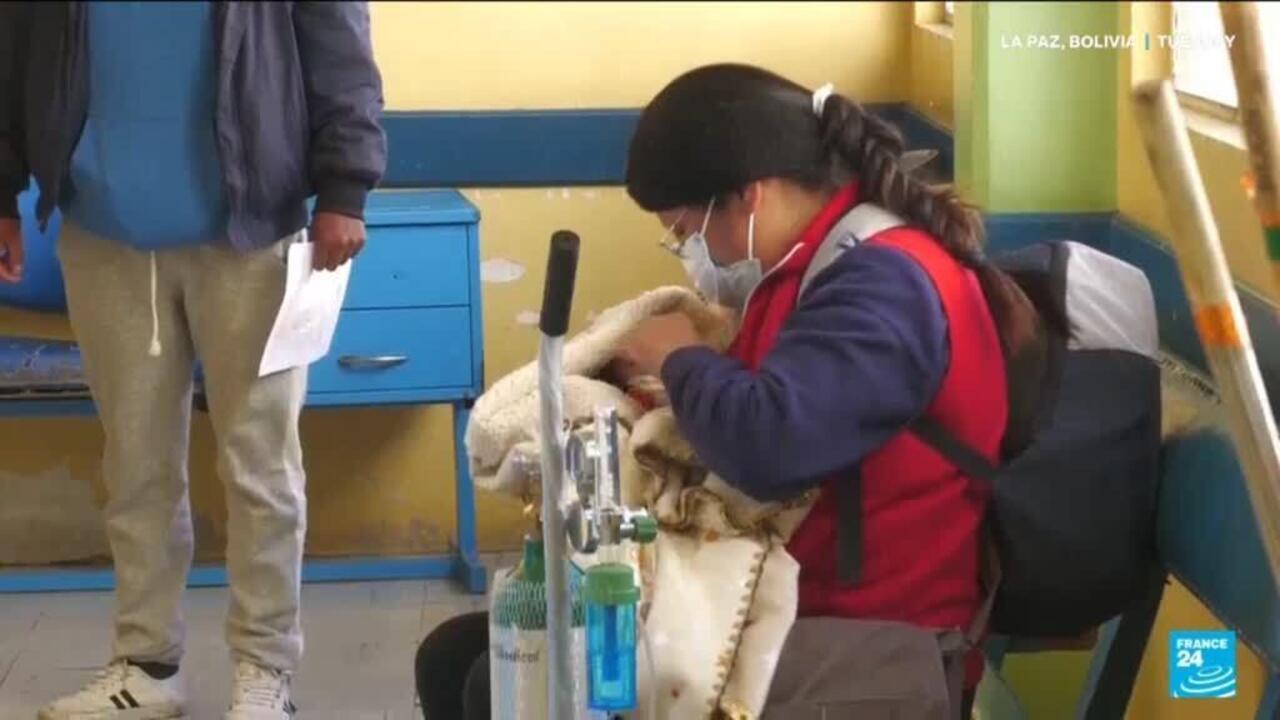
The humanitarian and economic consequences of the blockades are already evident. Markets in La Paz have been emptied, reflecting a breakdown in the distribution of goods. More critically, vital hospital oxygen reserves have been depleted, posing a direct risk to public health and emergency medical care within the city.
The situation underscores the fragility of President Paz’s early tenure. With the capital under such pressure, the administration faces immediate challenges in restoring order and ensuring the continuity of basic services. The involvement of major labour and agricultural organisations suggests a broad-based coalition against the current government.
According to France 24 International, the blockades have persisted for two weeks, indicating a sustained effort to exert pressure on the state. The severity of the oxygen shortage highlights the urgent need for a resolution to the unrest, as the crisis extends beyond political protest into the realm of public safety and infrastructure.