Bolivian president’s salary cut fails to quell unrest as protests escalate
With inflation at 14 per cent and roadblocks paralyzing the capital, President Paz’s gesture falls on deaf ears as former president Evo Morales calls for early elections.
Bolivian President Rodrigo Paz announced a 50 per cent reduction to his own salary and those of cabinet ministers on Monday, a gesture intended to address the growing economic crisis and quell weeks of anti-government protests. The centre-right leader stated the move was part of his commitment to the country, noting his monthly salary of approximately 24,000 bolivianos ($3,500) is one of the lowest among Latin American leaders but remains significantly higher than the national average.
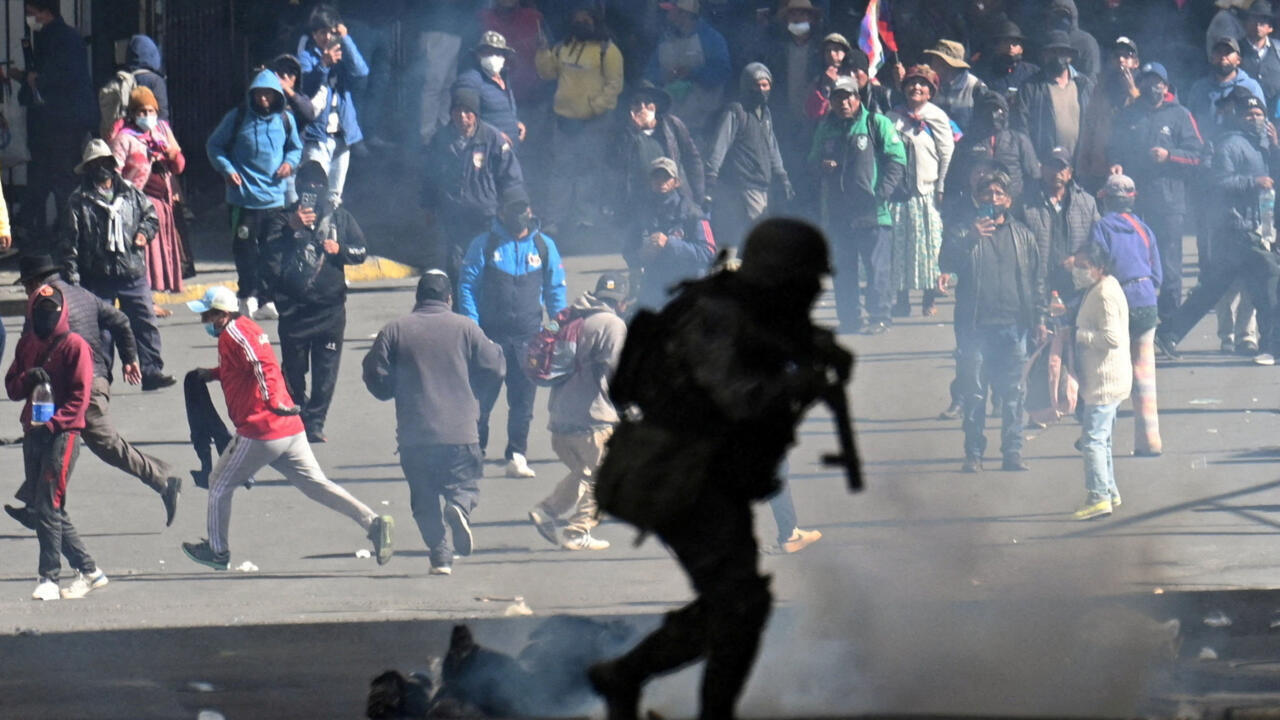
The announcement failed to appease demonstrators, who continued to block roads into the capital, La Paz, leading to violent clashes with police. Thousands of miners, farmers, and factory workers marched from the neighbouring city of El Alto for the third time in a week, shouting demands for Paz’s immediate resignation. Despite the salary cut, protesters refused to clear the streets, and a tense calm only settled after hours of rioting near parliament.
The unrest, which began in early May driven by trade unions seeking salary increases and stable fuel supplies, has resulted in severe shortages of food, fuel, and medicine. Roadblocks into the capital have been in place for nearly a month, exacerbating an economic crisis characterised by a currency shortage and inflation that hit 14 per cent year-over-year in April. Paz, a trained economist, has struggled to stabilise fuel supplies or curb inflation since taking office last year.
Regional leaders have attempted to intervene as the situation deteriorates. Brazilian President Luiz Inacio Lula da Silva spoke with Paz by phone, reiterating solidarity with the Bolivian government and calling for dialogue to overcome differences. Brazil agreed to send humanitarian aid, while the United States and Argentina have also offered assistance to address the shortages. Paz has previously attempted outreach by firing an unpopular labor minister and promising greater input for Indigenous groups, but these measures have not reduced the pressure on his administration.
Former President Evo Morales, who ended two decades of socialist rule in Bolivia last year, has called for new elections within 90 days. Morales, who is currently wanted by police on charges of trafficking a minor, made a failed comeback bid last year. As Paz appeals for dialogue while denouncing violence, the political standoff continues with no immediate resolution in sight.