Bolivia President Moves Toward Emergency Powers Amid Economic Unrest
President Rodrigo Paz considers declaring a state of emergency to quell weeks of protests driven by soaring food and fuel prices and shortages of basic goods.
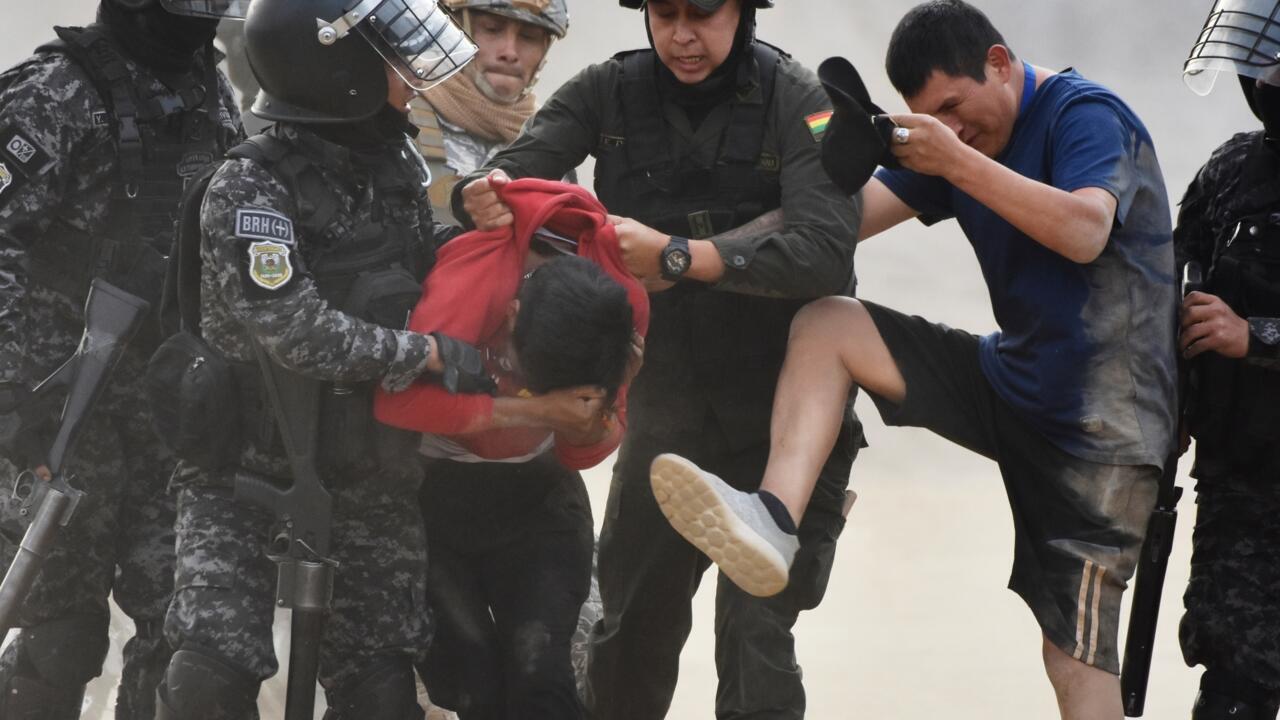
Bolivian President Rodrigo Paz is moving closer to declaring a state of emergency, a measure that would legally permit the military to intervene in ongoing demonstrations. The conservative leader faces intensifying pressure as the country grapples with what protesters describe as the worst economic crisis in decades.
For several weeks, demonstrators have erected roadblocks and occupied streets across the nation. The unrest has been driven by sharp increases in food and fuel prices, alongside severe shortages of basic goods. The disruption to supply chains has exacerbated the economic hardship, fueling public anger against the current administration.
The potential declaration of a state of emergency marks a significant escalation in the government’s response to the civil unrest. Under such a framework, the military would be authorised to intervene directly in demonstrations, shifting the dynamic from civilian protest to state-enforced order.
Political stakes are rising alongside the economic turmoil. Some segments of the protest movement are explicitly calling for President Paz to resign, citing his government’s inability to stabilise the economy and restore essential services. The demand for his departure underscores the depth of dissatisfaction with the current political leadership.
The situation remains volatile as the government weighs the implications of military involvement against the scale of the civilian opposition. While the state of emergency has not yet been officially enacted, the trajectory of the president’s actions suggests a hardening of the state’s approach to the sustained unrest.