Bolivia legislature empowers military to clear protest roadblocks
The Chamber of Deputies has approved the bill following an overnight debate, granting soldiers a presumption of legality and the power to use force to dismantle blockades established by farmers, miners, and transport unions.
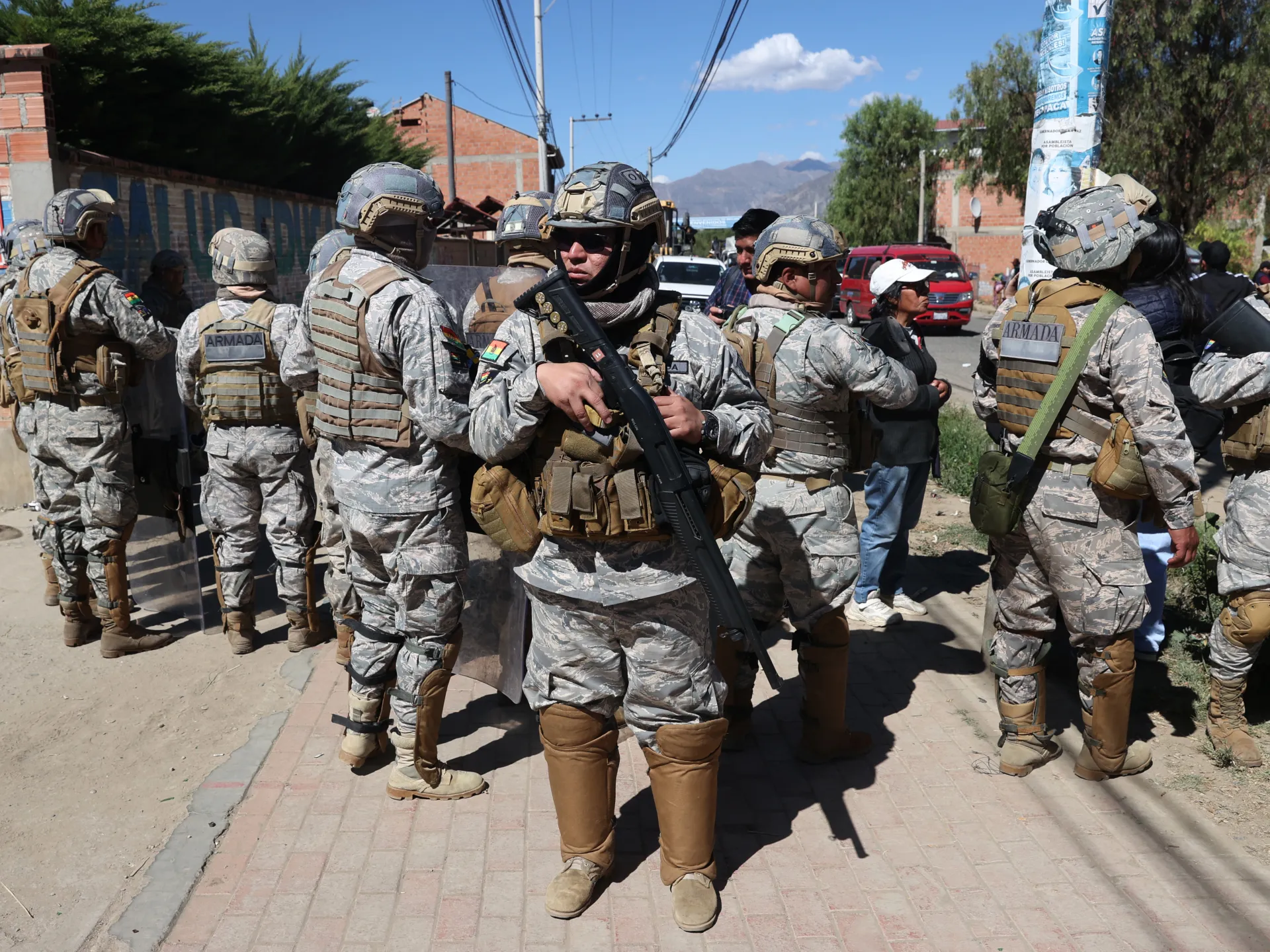
Bolivia’s legislature has passed a law granting President Rodrigo Paz the authority to deploy the military to clear roadblocks established by antigovernment protesters. The legislation, approved by the Chamber of Deputies on Sunday following an overnight debate and previously by the Senate, allows soldiers to use force and grants them a “presumption of legality” in conflict situations. This means their actions are deemed lawful unless proven otherwise.
The move follows weeks of unrest driven by rising inflation, low wages, and the abolition of fuel subsidies. Approximately 100 roadblocks have been reported across the country, with authorities stating that the blockades have caused food and medicine shortages. Farmers, miners, and transportation unions have been among those leading the demonstrations against Paz, a centre-right leader elected last year who has positioned himself as a pro-business figure aiming to address the economic crisis.
Under the new law, the military’s role expands beyond its previous use in support roles for anti-riot police. On Saturday, riot police backed by military vehicles used tear gas to clear a road in San Julian, while protesters responded with stones and burning tyres. The legislative shift comes after the legislature voted last month to repeal a 2020 law that previously restricted the military’s role in cracking down on protests.
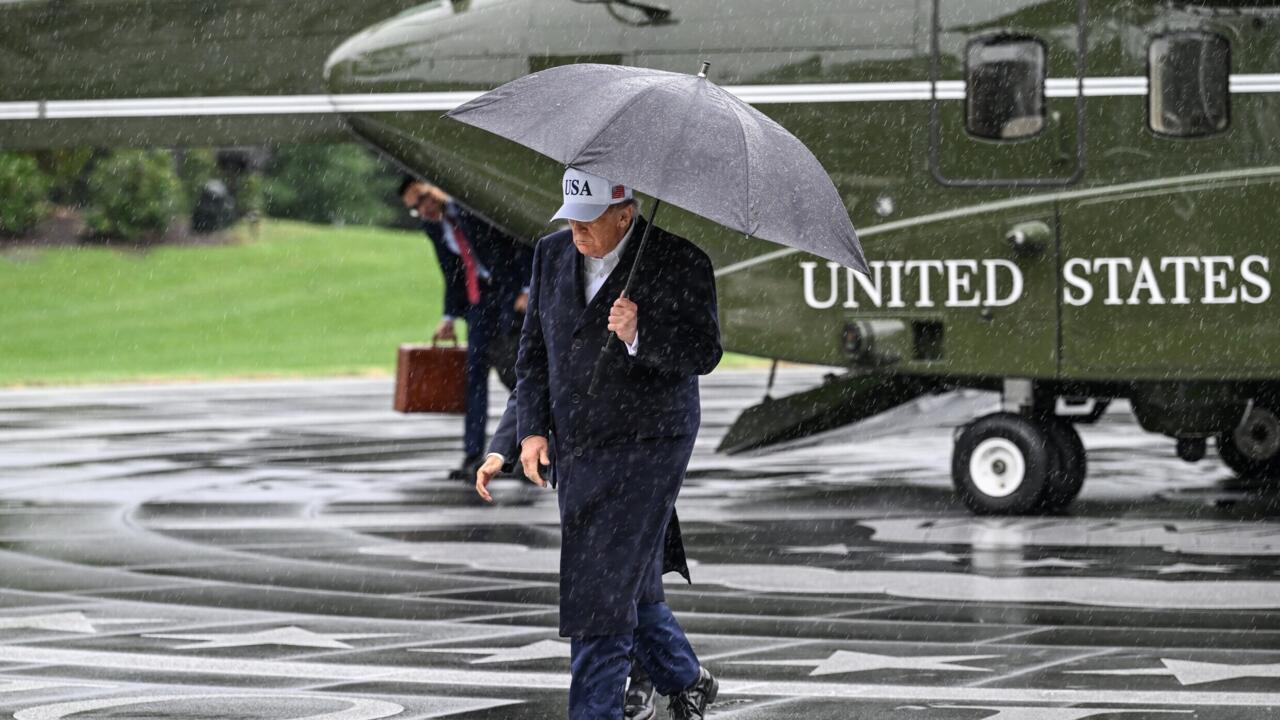
The United States has expressed support for Paz through the “Shield of the Americas” regional coalition, established under the administration of US President Donald Trump. Alliance members described the blockades as cynical efforts to hinder supply deliveries and vowed a militaristic response to crime in Latin America. “We stand with Paz’s democratic government as it fights back against attempts to drag Bolivia backwards,” the coalition stated.
The passage of the bill signals a hardening of the government’s approach to domestic dissent. As Paz seeks to guide the country through ongoing economic challenges, the legal framework now provides the armed forces with broader powers to enforce order against the widespread civil unrest that has disrupted supply chains and public services.